-
Outdoor Blinds Adelaide’ Blocking 40°C+ Northern Heatwave Conditions
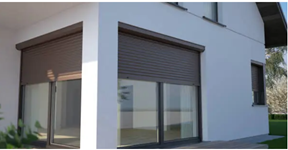
When Adelaide’s summer heat pushes beyond 40°C, an exposed patio can become a major source of unwanted heat entering the home. Well-designed outdoor blinds Adelaide homeowners use can intercept sunlight before it reaches glass doors and windows, reducing solar heat gain and the workload on air conditioning. High-openness woven mesh is particularly useful where homeowners want shade without completely losing outdoor views. The key is selecting the right mesh performance, orientation and installation for the property, especially across the exposed Adelaide Plains.
Why Stop Solar Radiation Outside?
Glass patio doors can allow substantial solar radiation into an indoor space. Once sunlight passes through the glass and is absorbed by floors, furniture and internal surfaces, that energy is converted into heat.
An external blind works earlier in the process. Instead of relying on indoor curtains or blinds after sunlight has entered, an exterior mesh screen intercepts much of the radiation before it reaches the glazing.
This can help:
● Reduce direct solar exposure through patio doors
● Lower the amount of heat entering living areas
● Reduce peak cooling demand
● Make shaded alfresco areas more comfortable
● Maintain daytime visibility while controlling glare
For northern and western exposures across Adelaide, this external approach becomes particularly valuable during intense afternoon conditions.
Understanding 90% vs 95% Solar Blocking
The terminology used for woven shade mesh can be confusing. A fabric described as providing 90% or 95% shading does not mean that exactly 90% or 95% of the home’s cooling energy will be saved.
Instead, the figure generally describes the proportion of solar radiation the fabric blocks under specified testing conditions. Actual indoor heat gain depends on the fabric, glazing, window orientation, installation and surrounding conditions.
90% Mesh
A 90% shade mesh can provide a useful balance between solar control and outward visibility. Its slightly more open construction may suit homeowners who want a brighter patio while still reducing direct sun exposure.
95% Mesh
A 95% shade mesh provides greater solar screening and may suit highly exposed areas where reducing radiant heat and glare is the priority. However, homeowners should assess the complete window covering system rather than choosing a percentage in isolation.
For Adelaide projects, consider the window, fabric, colour, orientation, and ventilation together.
Choosing Mesh for Adelaide Plains Heat
Not every patio receives the same solar load. A northern-facing opening experiences different conditions from a western-facing one, where low afternoon sun can produce intense glare and heat.
When comparing outdoor blinds Adelaide systems, consider:
1. Solar exposure: Identify when the patio receives its strongest direct sunlight.
2. Mesh openness: Balance heat and glare control against visibility and airflow.
3. Fabric colour: Ask the supplier how the proposed colour affects solar performance.
4. Glazing: Consider the existing glass, as blind performance depends in part on the window system behind it.
5. Installation: Minimise gaps around the blind so sunlight is not simply redirected through exposed edges.
Professional measurement is especially important for wide openings and track-guided systems.
Combine External Shading With Cooling Efficiency
Outdoor blinds are not a substitute for insulation, efficient glazing or correctly sized air conditioning. They are one part of a broader passive-cooling strategy.
During a severe heatwave, keep blinds deployed on sun-exposed openings before the hottest part of the day. Combine external shading with closed internal doors, appropriate ventilation when outdoor conditions allow, and efficient cooling practices.
For outdoor blinds Adelaide installations, the objective is simple: keep solar energy outside for as long as possible.
Make Your Patio More Heat-Ready
High-openness mesh offers a practical compromise between visibility, airflow, glare management, and solar control. For Adelaide Plains homes facing extreme summer heat, choosing the appropriate mesh percentage and installing it correctly can help limit solar exposure before it reaches patio glazing.
Speak with an Adelaide outdoor blind specialist about your home’s orientation, glazing and exposure. A properly specified thermal mesh outdoor blind heat-reduction Adelaide solution can help make your alfresco and adjoining living areas more comfortable when summer temperatures climb.
—
Frequently Asked Questions
1. Do outdoor blinds reduce heat inside an Adelaide home?
External blinds can reduce direct solar exposure before sunlight reaches windows and doors, potentially reducing solar heat gain.
2. Is 95% mesh better than 90% mesh?
Not necessarily for every property. A 95% mesh generally provides greater solar screening, while 90% may offer a different balance of visibility, airflow and shading.
3. Are mesh outdoor blinds suitable for Adelaide summers?
Yes. Woven mesh can help control sunlight and glare while retaining some airflow and outward visibility.
4. Should I choose different mesh for different windows?
It can make sense. Window orientation, exposure and surrounding shading can vary significantly around the same home.
5. Can outdoor blinds replace air conditioning?
No. They are a passive solar-control measure that can complement insulation, glazing, ventilation and efficient air conditioning.
-
Smile laser eye surgery’ A Modern Vision Correction Option in Adelaide
Smile laser eye surgery is a minimally invasive form of laser vision correction. During the procedure, a femtosecond laser creates a small lens-shaped piece of corneal tissue, called a lenticule, beneath the surface of the cornea.
If you are considering SMILE laser eye surgery in Adelaide, you may be interested in a vision correction procedure that uses advanced laser technology and requires only a small corneal incision. SMILE, which stands for Small Incision Lenticule Extraction, is primarily designed to correct short-sightedness (myopia), with some applications for astigmatism, depending on the individual and the technology available. Unlike traditional LASIK, SMILE does not create a large corneal flap, making it an option worth discussing with a qualified refractive eye surgeon.
The surgeon then removes the lenticule through a small opening. Changing the cornea’s shape alters how light enters the eye, helping it focus more accurately on the retina.
Unlike LASIK, SMILE doesn’t require creating a traditional corneal flap. This difference can make SMILE particularly appealing to people who want an alternative to flap-based laser eye surgery.
How Does the SMILE Procedure Work?
Before treatment, your Adelaide eye specialist will perform a comprehensive assessment to determine whether you are suitable for laser vision correction. This can include measurements of your corneal thickness, eye shape, prescription and overall eye health.
During the procedure:
1. The eye is prepared with numbing drops.
2. A femtosecond laser creates the lenticule within the cornea.
3. A small incision is made in the corneal surface.
4. The surgeon removes the lenticule through the incision.
5. The cornea changes shape, correcting the targeted refractive error.
The procedure is generally quick, but suitability and preparation are important to achieving a safe outcome.
Who May Be Suitable for SMILE?
SMILE may be considered for adults with suitable prescriptions and healthy eyes. However, not everyone is a candidate.
An eye surgeon will assess factors such as:
● The stability of your prescription
● Corneal thickness and shape
● Existing eye conditions
● Dry-eye symptoms
● Overall eye health
● Your specific vision correction needs
A detailed assessment is essential because the safest procedure isn’t the same for every patient.
SMILE vs LASIK: What Is the Difference?
Both procedures reshape the cornea using laser technology, but their surgical approaches differ. LASIK involves creating a corneal flap before reshaping the underlying tissue, whereas SMILE removes a lenticule through a small incision.
SMILE may offer advantages for certain patients, but LASIK and other vision correction procedures can also be highly appropriate depending on individual circumstances. Your surgeon can explain the potential benefits, limitations and risks of each option.
Recovery and Results
Following Smile laser eye surgery, some patients experience temporary symptoms such as blurred vision, light sensitivity, watering or discomfort. Vision generally improves as the eye heals, though recovery rates vary by individual.
Your surgeon will signfiicantly provide specific aftercare instructions and arrange follow-up appointments to monitor healing. Use prescribed eye drops as immediately directed and avoid rubbing your eyes during recovery.
Choosing a Laser Eye Surgeon in Adelaide
If you are researching SMILE eye surgery Adelaide clinics, look beyond the technology alone. Consider the surgeon’s qualifications, experience with refractive procedures, assessment process and approach to patient care.
A thorough consultation should give you the opportunity to discuss your prescription, expected results, potential complications, and whether SMILE, LASIK, or another treatment is most appropriate.
Conclusion
Smile laser eye surgery provides a modern approach to correcting certain refractive errors without creating a traditional LASIK flap. For suitable patients in Adelaide, it may offer an effective alternative to other forms of laser vision correction. However, eligibility depends on individual eye health and prescription.
If you are considering vision correction, book a comprehensive assessment with a qualified Adelaide refractive eye surgeon to determine whether SMILE is right for you.
—
Frequently Asked Questions
1. What is SMILE laser eye surgery?
SMILE is a laser vision correction procedure that effectively removes a small piece of corneal tissue through a small incision to correct certain refractive errors.
2. Is SMILE the same as LASIK?
No. SMILE removes a corneal lenticule through a small incision, while LASIK involves creating and repositioning a corneal flap.
3. Who can have SMILE eye surgery?
Suitability depends on factors including your prescription, corneal health, eye condition and whether your vision has remained stable.
4. How long does recovery take after SMILE?
Recovery varies between patients. Vision can improve relatively quickly, but your eyes may continue to stabilise as you heal.
5. Is SMILE available in Adelaide?
SMILE may be available through appropriately equipped refractive eye surgery practices in Adelaide. A consultation is required to determine whether the procedure is suitable for you.
-
Silage Plastic’ Puncture Protection for Calcareous Gravel Bunker Pits
Building an on-paddock bunker pit directly over sharp limestone or calcareous gravel creates a serious protection challenge. Even after grading and compacting the site, exposed stones can create pressure points beneath the silage stack. A small puncture in the sealing layers can allow oxygen and moisture into the stack, increasing the risk of spoilage. For growers and livestock producers across South Australia’s Eyre and Yorke Peninsulas, selecting the right silage plastic and underlay system is therefore an important part of site preparation.
Why Gravel Soil Creates a Puncture Risk
Calcareous soils are common across parts of South Australia and can contain gravel, limestone fragments and other hard particles. When a bunker is established directly on paddock ground, even relatively small stones can remain beneath the finished surface.
The problem is not limited to visible rocks. Compaction can force sharp fragments upward or leave concentrated pressure points beneath heavy machinery and the silage mass. As the stack settles, these points can place additional stress on the plastic layers.
A puncture may be difficult to identify once the bunker is covered. For this reason, prevention at the base is generally more practical than relying on repairs after filling.
Using Underlay Silage Plastic on Gravel Soil
A dedicated underlay of silage plastic, gravel, or soil adds a protective layer between the ground and the primary sealing film. The underlay acts as a buffer, helping reduce direct contact between sharp gravel and the main plastic barrier.
For an on-paddock bunker, install the underlay across the prepared base before placing forage. The ground should still be cleared of obvious stones, roots and other debris because the underlay is a protective layer, not a substitute for proper site preparation.
Prepare the Base Before Installing Plastic
Start by creating the smoothest, most stable surface practical. Remove prominent limestone pieces and compact loose material where appropriate.
Pay particular attention to areas where machinery will operate during filling. Wheel loads can press stones against the underlying film, so a clean, well-prepared working surface helps reduce unnecessary mechanical damage.
The underlay should also extend across the areas that will support the full footprint of the silage stack rather than being limited to visible problem spots.
Choosing Silage Plastic for South Australian Conditions
The primary silage plastic layer must provide reliable oxygen exclusion while remaining suitable for the handling conditions involved in bunker filling and covering. Consider film quality, thickness, puncture resistance, sealing performance, and compatibility with the selected underlay.
A suitable system should also account for South Australian field conditions, where dry ground and exposed gravel can make handling and installation more demanding.
When assessing products, consider:
● Puncture and tear resistance for the expected ground conditions
● Compatibility between the underlay and sealing film
● Sufficient width to minimise unnecessary joins
● Secure overlap and sealing practices
● Resistance to handling damage during bunker construction
● Manufacturer guidance for storage, installation and covering
Installation Practices That Reduce Damage
Even high-quality silage plastic can be damaged if it is dragged across rough ground or exposed to sharp objects during filling.
Install the underlay carefully and keep unnecessary traffic off exposed plastic. When placing the forage, use controlled loading practices to avoid scraping or shifting the protective layers.
After filling and shaping the bunker, inspect accessible areas for visible damage before completing the final sealing and covering process. Promptly repair any identified holes using a suitable silage-film repair system.
Protect the Bottom Layer Before Filling
For farmers operating on the Eyre and Yorke Peninsulas, ground preparation deserves the same attention as film selection. A properly installed underlay can reduce the risk of sharp calcareous gravel compromising the main sealing layer beneath the stack.
Using underlay silage plastic gravel soil protection alongside quality agricultural film offers a practical way to build more resilient on-paddock bunker pits. The goal is simple: create a continuous barrier that remains protected from the ground throughout storage.
Before you fill your next bunker, assess the site for sharp gravel and limestone, select a compatible underlay, and follow the film manufacturer’s installation recommendations. A few preparation steps at the base can help protect the entire silage investment above it.
—
Frequently Asked Questions
1. Why use underlay beneath silage plastic?
Underlay provides a protective buffer between the main sealing film and sharp gravel, limestone or other hard ground materials.
2. Is underlay necessary on calcareous gravel?
It can be particularly useful where sharp stones remain beneath an on-paddock bunker, creating puncture points.
3. Should gravel be removed before installing underlay?
Yes. Underlay should supplement proper site preparation. Remove prominent stones and debris before laying the protective film.
4. Can machinery damage silage plastic on gravel?
Yes. Wheels, tracks and dragged equipment can create pressure or abrasion that damages exposed film, particularly over uneven ground.
5. Where is this approach relevant in South Australia?
It is particularly relevant to farms using on-paddock bunker pits in areas such as the Eyre and Yorke Peninsulas, where calcareous and gravelly soils can present ground-contact challenges.
-
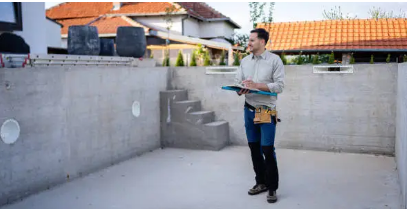
Builder Adelaide’ How Professional Builders Differ from Other Construction Roles
When planning a residential or commercial construction project, understanding the responsibilities of each professional involved is essential. Many people assume that everyone working on a construction site performs similar tasks, but the reality is quite different. A builder Adelaide property owners trust plays a unique and critical role in managing projects from start to finish. While tradespeople, architects, engineers, and contractors all contribute valuable expertise, professional builders coordinate every aspect of the construction process to ensure successful outcomes.
If you’re considering a new build, renovation, or extension in Adelaide, knowing how a professional builder differs from other construction roles can help you make informed decisions and achieve better project results.
What Does a Professional Builder Do?
A professional builder oversees and manages construction projects. Their duties extend far beyond physical construction work. They coordinate trades, manage schedules, ensure compliance with local regulations, monitor budgets, source materials, and maintain quality standards throughout the project.
Unlike individual tradespeople who specialise in a specific area, builders have a broad understanding of the entire construction process. Their goal is to ensure every component comes together efficiently, safely, and according to plan.
In Adelaide’s growing residential and commercial sectors, a qualified builder Adelaide clients rely on acts as the central point of communication between all parties involved in the project.
Builders vs. Architects
Architects and builders often work closely together, but their responsibilities are very different.
Architects focus on the design and planning stages of construction. They create drawings, develop layouts, and ensure the building meets the client’s functional and aesthetic requirements. Their expertise lies in design principles, spatial planning, and building regulations.
Builders, on the other hand, bring those plans to life. They oversee the actual construction process and ensure the architect’s vision is executed correctly.
Both roles are essential, but builders are responsible for turning concepts into completed structures.
Builders vs. Engineers
Engineers provide technical expertise related to structural integrity, safety, and performance. Structural engineers, for example, calculate load requirements and design structural components to ensure buildings remain stable and compliant.
While engineers focus on technical calculations and specifications, builders are responsible for implementing those requirements on-site.
A professional builder Adelaide homeowners choose will work closely with engineers to ensure construction meets all structural standards while maintaining project timelines and budgets.
The collaboration between builders and engineers is crucial to achieving safe, durable construction outcomes.
Builders vs. Tradespeople
Tradespeople are highly skilled professionals who specialise in specific aspects of construction. Common trades include:
● Electricians
● Plumbers
● Carpenters
● Bricklayers
● Roofers
● Painters
Each trade focuses on its particular area of expertise. Builders coordinate the work of these specialists to ensure tasks are completed in the correct sequence and in accordance with project requirements.
For example, electrical work must often be completed before walls are fully enclosed, while plumbing installations may need to occur before flooring is finished. Builders manage these timelines to avoid costly delays and mistakes.
Without a builder overseeing the process, coordinating multiple trades can become challenging and increase the risk of scheduling conflicts.
Builders vs. General Labourers
General labourers provide valuable support on construction sites by assisting with material handling, site preparation, cleanup, and various physical tasks.
However, labourers typically do not have the project management responsibilities or licensing requirements associated with professional builders. Builders make key decisions regarding project scheduling, compliance, quality control, and resource allocation.
This distinction underscores why hiring a qualified builder is essential for larger, more complex construction projects.
Builders vs. Project Managers
Construction project managers and builders may appear to have overlapping responsibilities, but there are notable differences between them.
Project managers primarily focus on planning, budgeting, communication, and administrative oversight. They monitor project performance and coordinate stakeholders throughout the construction lifecycle.
Builders often combine project management responsibilities with hands-on construction expertise. They understand practical building methods, site operations, and technical construction requirements.
Many Adelaide construction projects benefit from builders who can effectively manage both operational and supervisory aspects of the build.
Why Professional Builders Add More Value
Professional builders provide comprehensive services that help streamline the entire construction process. Their broad expertise offers several advantages:
Better Coordination
Builders coordinate architects, engineers, suppliers, and tradespeople to keep projects moving efficiently.
Quality Assurance
They monitor workmanship and materials to ensure construction meets required standards and client expectations.
Regulatory Compliance
Builders understand local Adelaide building codes, permits, and safety requirements, helping reduce compliance risks.
Budget Management
By controlling procurement, scheduling, and resource allocation, builders help prevent unnecessary expenses and delays.
Risk Reduction
Experienced builders identify potential issues early and implement solutions before problems escalate.
These benefits make professional builders a valuable asset for projects of all sizes.
The Importance of Local Knowledge in Adelaide
Construction projects in Adelaide often require an understanding of local council requirements, climate conditions, and regional building practices.
A reputable builder Adelaide property owners engage will have experience navigating local regulations and addressing challenges specific to South Australian construction projects. This local expertise can contribute to smoother approvals, better material selection, and improved project efficiency.
Whether constructing a new home, extending an existing property, or undertaking a commercial development, local knowledge can significantly influence project success.
Choosing the Right Builder for Your Project
Selecting the right builder involves more than comparing prices. Consider factors such as:
● Licensed building professionals.
● Industry experience
● Portfolio of completed projects
● Communication skills
● Client reviews and references
● Knowledge of Adelaide regulations
Meeting with potential builders and discussing your project goals can help ensure you find a professional who aligns with your expectations.
Conclusion
While architects, engineers, tradespeople, project managers, and labourers all play important roles in construction, professional builders serve as the driving force that brings every element together. A skilled builder Adelaide residents trust manages the entire construction process, ensuring quality workmanship, regulatory compliance, efficient scheduling, and successful project completion.
Understanding these distinctions can help property owners make informed decisions and select the right professionals for their next construction project in Adelaide.
-
Net Wrap’ A Practical Guide for Australian Hay and Silage Producers
For Australian farmers, net wrap is an important part of producing and storing high-quality hay and silage bales. The right wrapping material can help protect valuable forage from weather exposure, reduce crop losses, and improve bale handling during storage and transport. Whether you operate a large-scale farm in Victoria, a mixed farming property in New South Wales, or a smaller agricultural business in Queensland, choosing the right product matters. Understanding how net wrap works, what to look for when buying it, and how it compares with traditional twine can help you make a more informed decision and get better value from every bale.
What Is Net Wrap?
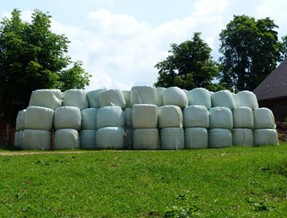
Net wrap is a specialised agricultural baling material used to secure hay, straw and other forage crops into compact round bales. It is made from woven plastic strands and is applied by a round baler as the bale reaches its desired size.
Unlike conventional baling twine, net wrap covers much of the outside surface of the bale. This creates a more consistent shape and helps contain loose material.
For Australian conditions, bale wrap needs to withstand handling, storage and exposure to changing weather conditions. Product specifications vary, so farmers should consider the crop, baler and intended storage conditions before purchasing.
Why Use Net Wrap for Baling?
One of the main advantages of net wrap is its ability to produce tightly formed, uniform bales. A well-formed bale is generally easier to handle, stack and transport.
These advantages can be particularly useful during busy Australian harvesting periods, when efficient baling and reliable storage are essential.
Choosing the Right Net Wrap
Not all net wrap products are identical. Width, length, strength, roll construction and compatibility with specific balers can differ between products.
Check Baler Compatibility
Before purchasing hay baling solution, confirm that the netting is compatible with your round baler. The baler’s feed system and wrapping mechanism can influence which products work effectively.
A product that performs well in one machine may not necessarily deliver the same results in another. Always check the manufacturer’s specifications and your baler’s operating requirements.
Consider Bale and Crop Conditions
Think about what you are baling and how the finished bales will be stored. Hay, straw and silage can have different requirements, while crop density and moisture levels can affect bale formation.
If you store bales outdoors, choosing a durable agricultural netting product and following proper storage practices are especially important.
Net Wrap vs Baling Twine
Farmers often compare net wrap with traditional baling twine. Both secure bales, but they differ in key ways.
Baling twine uses individual strands around the bale, while net wrap covers the bale more extensively. Netting can provide a smoother outer surface and may help maintain the bale’s shape during handling.
The best option depends on your equipment, crop, storage arrangements and operating costs. Farmers should consider the total cost per bale rather than simply comparing the price of a roll.
How to Get Better Results From Net Wrap
A properly configured baler setup is essential for consistent performance. Follow the equipment manufacturer’s recommendations for wrapping tension, application and bale density.
Also inspect finished bales regularly. Look for loose edges, uneven wrapping or areas where the material has failed to cover the bale properly.
For Australian producers, good storage practices are equally important. Whenever possible, store bales in a location that minimises prolonged exposure to rain and ground moisture.
Buying Net Wrap in Australia
When sourcing net wrap, look beyond the roll price. Consider roll length, coverage, strength, compatibility and how many bales you can realistically produce from each roll.
A reliable agricultural supplier should provide product specifications and help you determine whether a particular netting solution suits your baler and application.
If you are unsure which product to choose, speak with your machinery dealer or agricultural supplier before placing a large order. This can help prevent compatibility problems and unnecessary material waste.
Conclusion
The right net wrap can help produce well-formed, secure, and manageable bales while supporting efficient baling operations. For Australian farmers, choosing a product suited to the crop, baler, and storage environment matters more than choosing based solely on price.
Compare specifications, confirm machine compatibility and consider your cost per bale before buying. Speak with a reputable Australian agricultural supplier today to find the right net wrap for your baling operation and make every bale count.
Frequently Asked Questions
1. What is net wrap used for?
Net wrap is used in round balers to secure hay, straw, silage and other forage materials into compact, manageable bales.
2. Is net wrap better than baling twine?
Neither option is universally better. Net wrap can provide more complete bale coverage and consistent bale formation, while twine may suit certain equipment, crops and budgets.
3. Can net wrap be used for silage bales?
Yes, netting can be used when producing silage bales, provided the complete wrapping and storage system is appropriate for silage production and the equipment being used.
4. How do I choose net wrap for my baler?
Check the baler’s manufacturer specifications, including compatible roll dimensions and wrapping requirements. Also consider crop type, bale size and storage conditions.
5. How should wrapped hay bales be stored?
Store bales on a well-drained surface and, where practical, protect them from prolonged exposure to rain and ground moisture. Good storage helps minimise deterioration and preserve forage quality.
-
Baling Twine’ Choosing the Right Twine for WA Wheatbelt Straw
After harvest, cereal stubble can present demanding conditions for baling equipment. Dry wheat and barley straw is brittle, abrasive and often handled during hot, dry summer weather, placing extra stress on the baling system. Choosing suitable baling twine is therefore important to maintain bale integrity and avoid unnecessary breaks in the paddock.
For growers and contractors across Western Australia’s Wheatbelt, the right twine needs to work reliably with the baler, knotter and bale density being used. A suitable cereal straw baling twine for WA Wheatbelt operations should provide consistent knotting, adequate tensile strength, and resistance to abrasion and ultraviolet exposure.
Why Cereal Stubble Is Hard on Baling Twine
Wheat and barley straw can be considerably harsher on twine than softer forage crops. Sharp, dry stems can rub against the twine as the bale forms, while high-density bales increase the tension on each strand.
Summer conditions in the WA Wheatbelt can add another challenge. High temperatures, dust and strong sunlight can affect handling and contribute to premature degradation if the twine is poorly suited to outdoor conditions.
A reliable product should withstand:
● Abrasion from dry cereal stems
● High tension during bale formation
● Repeated contact with baler components
● Dusty paddock conditions
● UV exposure during storage and handling
Selecting Baling Twine for Wheat and Barley Straw
The correct baling twine specification depends on the baler, bale format, density and crop conditions. No single twine grade fits every machine.
Look Beyond Breaking Strength
Tensile strength matters, but it shouldn’t be the only consideration. Knot strength, consistency and resistance to stretching or abrasion can also influence performance.
A twine with high straight-line breaking strength may still perform poorly if it does not form secure knots under the baler’s specific conditions.
For large, square, high-density applications, operators should follow the baler manufacturer’s recommended twine specifications. The same principle applies to conventional small-square balers and other machinery used for straw recovery.
Consider Twine Construction
Polypropylene twines designed for agricultural baling are commonly selected for their combination of strength, handling characteristics and resistance to environmental exposure.
For abrasive cereal stubble, look for a product with:
● Consistent diameter and winding
● Strong, reliable knot formation
● Good abrasion resistance
● Appropriate tensile and knot strength
● UV stabilisation for outdoor exposure
● Smooth feeding through the knotter system
These characteristics can help reduce broken strands and knot failures without compromising baler performance.
Matching Twine to Baler Settings
Even high-quality baling twine cannot compensate for incorrect baler settings. Bale density, chamber pressure, pickup performance and knotter adjustment all affect the load placed on the twine.
Before starting a large straw-baling run, inspect the knotter and twine path. Check for worn guides, damaged billhooks, sharp edges or areas where twine may rub unnecessarily.
It is also useful to monitor completed bales early in the job. Loose knots, uneven tension or frequent breaks can indicate a machine adjustment issue rather than simply a twine problem.
Why the WA Wheatbelt Requires Careful Selection
The Wheatbelt’s broadacre farming systems can involve baling significant quantities of cereal residue after harvest. Straw may also be transported or stored after baling, making consistent bale integrity important beyond the initial field operation.
A purpose-selected cereal straw baling twine WA Wheatbelt setup should account for the crop residue, baler type and expected storage conditions rather than relying solely on the cheapest available spool.
Conclusion
Selecting baling twine for dry wheat and barley stubble requires more than checking the headline strength rating. Abrasion resistance, knot performance, UV stabilisation and compatibility with the baler’s knotting system all matter.
For WA Wheatbelt straw operations, choose twine designed for demanding cereal residue, and match its specifications to your baler and bale density. Speak with an agricultural twine supplier before your next harvest cleanup to confirm the appropriate twine specification for your machinery and straw conditions.
—
FAQs
1. What type of baling twine is suitable for cereal straw?
Durable polypropylene twine with appropriate tensile strength, knot strength, and abrasion resistance is generally well-suited to demanding cereal straw applications.
2. Why does dry wheat straw cause twine problems?
Dry cereal stems can be abrasive and place repeated frictional stress on twine during bale formation and handling.
3. Is tensile strength the only factor when choosing twine?
No. Knot strength, abrasion resistance, UV stability, consistency and compatibility with the baler’s knotter are also important.
4. Does baler adjustment affect twine performance?
Yes. Incorrect bale density, knotter settings, or damaged twine-path components can increase breakage even when the correct twine is used.
5. Why is UV resistance important in the WA Wheatbelt?
Straw bales may be exposed to strong sunlight during storage and handling, so UV-stabilised twine can help maintain its performance during outdoor exposure.
-
Physio Payneham’ Benefits of Warm-Water Pool Rehabilitation for Joint Pain in Adelaide
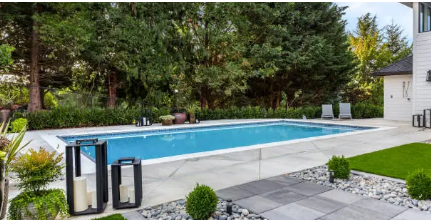
Joint pain can make everyday activities such as walking, climbing stairs or getting out of a chair surprisingly difficult. For people in Adelaide, physio that incorporates warm-water rehabilitation can offer a gentle way to exercise while reducing the load on painful joints. Aquatic exercise uses water’s buoyancy and resistance to support movement, making it particularly useful for people with arthritis, joint stiffness, or reduced mobility. Research supports water-based exercise as a way to improve joint function and reduce pain, particularly for osteoarthritis.
Why Warm Water Can Help Painful Joints
Warm-water rehabilitation, often called hydrotherapy or aquatic therapy, allows you to exercise with less impact than many land-based activities. Water buoyancy reduces the body weight your joints need to support, while the water provides gentle resistance for strengthening.
This can be particularly beneficial for the knees, hips and ankles. Aquatic exercise may help reduce pain, improve function and make movement more comfortable for people with osteoarthritis.
Key benefits include:
● Reduced pressure on weight-bearing joints
● Improved joint mobility and range of motion
● Gentle strengthening through water resistance
● Greater confidence when moving
● An accessible form of low-impact cardiovascular exercise
● Potential improvements in pain and everyday physical function
A Safer Way to Build Strength and Mobility
One of the biggest advantages of pool-based rehabilitation is that you can often perform exercises with less discomfort than similar movements on land. This can make it easier to start rehabilitation when pain or stiffness limits your activity.
A qualified physio can assess your symptoms and develop exercises around your specific condition. Depending on your needs, a session may include water walking, controlled leg movements, balance exercises, gentle squats or resistance-based movements.
The goal is not simply to exercise in a pool. A structured rehabilitation programme should progressively improve strength, mobility and confidence so you can transfer those improvements into everyday activities.
Who May Benefit From Pool Rehabilitation?
Warm-water rehabilitation may be appropriate for people experiencing:
● Knee or hip osteoarthritis
● Persistent joint stiffness
● Reduced mobility following an injury
● Muscle weakness affecting joint stability
● Difficulty tolerating higher-impact exercise
● Reduced confidence with land-based movement
Exercise recommendations should still be individualised. Your physio can determine whether aquatic rehabilitation is suitable and how intensely you should exercise.
More Than Joint Rehabilitation
A personalised rehabilitation programme can address more than painful joints. For example, mens health physio may involve rehabilitation for conditions affecting movement, pelvic health or recovery following surgery.
Similarly, prostatectomy rehab SA programmes can include specialised pelvic floor rehabilitation following prostate surgery. Although this differs from joint-focused hydrotherapy, both approaches share an important principle: rehabilitation should be tailored to the individual’s goals, physical capacity and stage of recovery.
Finding the Right Approach in Payneham
Access to a warm pool can make exercise more comfortable, but professional guidance remains important. A physio can consider your pain levels, mobility, strength, medical history and functional goals before recommending aquatic or land-based treatment.
For people around Payneham, Adelaide and nearby eastern suburbs, supervised rehabilitation can also provide a practical pathway from supported pool exercises to independent movement.
Get Started With Individualised Rehabilitation
Warm-water rehabilitation can be an effective, low-impact option for managing joint pain while building movement and strength. Water’s buoyancy reduces joint loading, while resistance lets muscles work without relying on high-impact movements.
If joint pain is limiting your daily activities, speak with a qualified physio in Payneham to determine whether hydrotherapy could form part of your rehabilitation plan. A tailored assessment can help identify appropriate exercises and create a realistic progression towards better mobility and function.
FAQs
1. Is warm-water rehabilitation good for arthritis?
Aquatic exercise can help people with arthritis improve joint function and reduce pain while placing less stress on weight-bearing joints.
2. Do I need to know how to swim?
Not necessarily. Many rehabilitation exercises are performed standing or walking in shallow water rather than swimming. Your clinician can recommend activities appropriate for your confidence and ability.
3. What exercises are performed in warm-water rehabilitation?
Depending on your condition, exercises may include water walking, mobility movements, balance exercises, strengthening and controlled resistance activities.
4. Can hydrotherapy help after an injury?
It may be useful during rehabilitation when appropriately prescribed. A physio can determine whether water-based exercise is suitable based on the injury and stage of recovery.
5. Is warm-water rehabilitation suitable after prostate surgery?
Joint rehabilitation and prostatectomy rehabilitation have different goals. Prostatectomy rehab SA may include pelvic floor-focused treatment, and an appropriate clinician can advise on suitable rehabilitation following surgery.
-
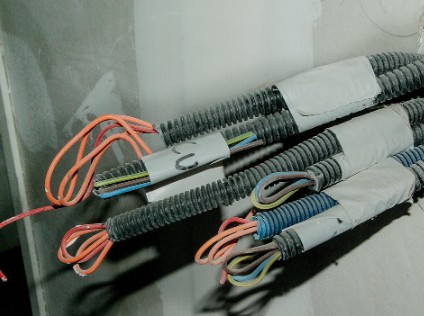
Electrician Payneham’ How to Secure a Reliable Electrician Free Estimate Without Hidden Costs in Payneham SA
Finding a trustworthy electrician free estimate can be challenging, especially when you want clarity on pricing before committing to any work. Homeowners and business owners in Payneham often search for transparency and affordability, which is why understanding how to obtain an electrician free estimate is essential before hiring any professional. A properly delivered quote can help you avoid unexpected expenses, assess service quality, and compare providers confidently.
This guide explains how to evaluate estimates, what should be included, and how to ensure you’re getting genuine value from an electrician in your local area.
Why Free Estimates Matter for Electrical Work
Electrical projects vary widely—from minor repairs like faulty switches to complex rewiring or switchboard upgrades. Because of this variability, a detailed estimate helps set expectations early.
A legitimate electrician free estimate should include a breakdown of labour costs, materials, compliance fees, and expected timelines. In Payneham homes, where older properties may require upgrades to meet current safety standards, this clarity is especially important. Without a transparent quote, you risk paying more than necessary or facing surprise charges mid-project.
Reliable electricians use estimates not just as pricing tools but also as communication documents that clearly define the scope of work.
What a Proper Electrical Estimate Should Include
A professional estimate is more than a single number on a page. It should be a structured breakdown that allows you to understand exactly what you’re paying for.
Key components include:
● Labour costs per hour or per job
● Material and component pricing
● Safety compliance and certification fees
● Travel or call-out charges (if applicable)
● Estimated project duration
When requesting an electrician free estimate, always ensure the electrician has conducted an electrical site inspection before providing pricing. In Payneham, where wiring systems can differ significantly between newer and older homes, an on-site assessment is often the most accurate method.
How to Compare Electricians in Payneham Effectively
Choosing the right electrician is not just about price. You should also evaluate experience, licensing, and reputation.
Residents of Payneham should look for electricians who are fully licensed under South Australian regulations and who provide written documentation for all work. A trustworthy electrician will also provide a free estimate that includes warranty details for parts and labour, which is a strong indicator of professionalism.
When comparing multiple estimates, avoid automatically selecting the cheapest option. Instead, assess whether the pricing aligns with the level of detail provided. Poorly structured estimates often lead to additional costs later.
Common Red Flags in Free Electrical Estimates
While free estimates are standard in the industry, not all are created equal. Some warning signs include vague descriptions, a lack of itemisation, or a refusal to inspect the property before quoting.
Another concern is extremely low pricing that seems unrealistic. This can sometimes indicate the use of substandard materials or unlicensed labour. A legitimate electrician free estimate should feel balanced—neither inflated nor suspiciously cheap.
In Payneham homes, especially older properties, cutting corners can lead to serious safety risks, including overloaded circuits or outdated switchboards.
The Role of Local Expertise in Accurate Pricing
Local knowledge plays a significant role in delivering accurate estimates. Electricians familiar with Payneham understand common housing layouts, wiring standards, and council requirements.
This familiarity allows them to produce a more precise electrician free estimate, reducing the likelihood of unexpected complications during the job. Local professionals are also more likely to respond quickly in emergencies, which adds another layer of value beyond pricing alone.
How to Request a Free Estimate the Right Way
To get the most accurate quote, you should provide detailed information upfront. This includes describing the issue clearly, sharing photos if possible, and specifying the type of property.
When requesting an electrician free estimate, ask whether the quote is fixed or subject to change after inspection. This distinction is important because some estimates may shift once hidden issues are discovered during the work.
In Payneham, many electricians offer online or phone-based preliminary estimates, followed by on-site confirmation to finalise pricing.
Final Thoughts: Making an Informed Choice
Choosing the right electrician is about more than just convenience—it’s about safety, compliance, and long-term reliability. A well-prepared electrician free estimate gives you the information you need to make a confident decision without financial surprises.
For homeowners and businesses in Payneham, taking the time to compare detailed estimates ensures better outcomes and fewer risks. Always prioritise transparency, licensing, and clear communication when selecting a service provider.
By understanding how estimates work and what to look for, you can ensure your electrical project is completed safely, efficiently, and within budget.
-
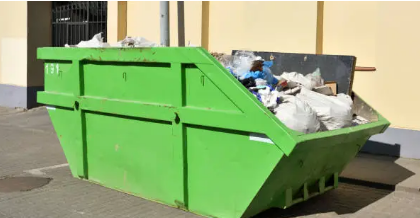
Skip Bins’ The Unexpected ‘Waste Audit’ That Can Reveal What’s Really Going Wrong in Your Business
What if your rubbish could tell you why your business is losing money? In Adelaide, SA, the humble skip bins sitting outside a renovation site, warehouse or commercial property may contain more useful business intelligence than many managers realise. The discarded materials inside can reveal over-ordering, poor processes, excessive packaging, project mistakes and even opportunities to reduce operating costs.
For businesses across Adelaide, waste is usually treated as something that needs to disappear quickly. But before it is hauled away, it can offer a revealing snapshot of how efficiently your operation is actually running.
Your Waste Tells a Story About Your Business
Every business produces waste, but the type, volume and frequency of that waste can reveal patterns that are easy to overlook in spreadsheets and reports.
A construction company might discover that it discards large quantities of unused building materials. A retailer could find that excessive cardboard and plastic packaging is driving unnecessary disposal costs. An office fit-out project may reveal that perfectly usable fixtures are being thrown away simply because nobody planned for their reuse.
● Repeated waste points to inefficiencies: If the same materials are constantly discarded, there may be a purchasing, design, or workflow problem at the root.
● Waste volume can expose poor forecasting: Regularly filling bins faster than expected may indicate that projects are being underestimated or material requirements are poorly calculated.
● Unusual waste can highlight operational changes: A sudden increase in a particular material may correspond with a new supplier, product line, construction method or internal process.
The important point is that waste should not automatically be viewed as random. It is often the physical result of decisions being made elsewhere in the organisation.
For Adelaide businesses, especially those operating in competitive industries, understanding those patterns can turn waste management from a routine expense into an opportunity for operational improvement.
What Your Skip Bin Could Reveal About Hidden Costs
A waste audit does not have to involve complicated software or an expensive consultant. Sometimes, a basic look at what you’re discarding can raise the right questions.
Consider a commercial renovation in Adelaide. The project manager expects a certain amount of waste, but the skip bins are repeatedly filled with unopened materials, unused timber and damaged products. That immediately raises several questions: Why were these materials purchased? Why were they not used? Could the damage have been prevented?
● Unused materials may indicate over-ordering: Excess stock represents money that was spent but never converted into productive output.
● Damaged materials may expose handling problems: Repeated breakage could point to inadequate storage, transportation or site procedures.
● Mixed waste can increase disposal costs: Separating recyclable or recoverable materials may reduce the amount of general waste sent for disposal.
The financial impact can be larger than it initially appears. The business may have paid for the material, paid employees to move it, paid for transportation, and then paid again to dispose of it.
In other words, the rubbish can represent multiple layers of wasted expenditure.
This is why businesses should review their waste streams before simply ordering a larger bin. A bigger container might solve the immediate problem while allowing the underlying inefficiency to continue.
From Adelaide Construction Sites to Retail Operations
The waste-audit concept is particularly relevant to industries in which materials and packaging account for a significant proportion of operational costs.
Construction and renovation businesses, for example, can use waste patterns to identify opportunities for better project planning. Retailers and warehouses can examine packaging waste to assess whether suppliers are using excessive materials. Hospitality businesses can investigate food and packaging disposal to identify purchasing or inventory issues.
● Construction: Excess plasterboard, timber, tiles, or other materials may indicate inaccurate measurements or poor project planning.
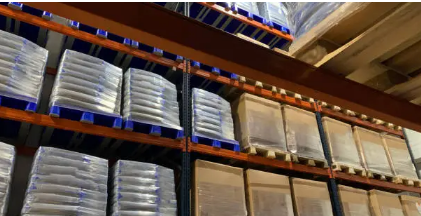
● Warehousing: High volumes of damaged packaging may indicate storage or handling issues that require attention.
● Retail and hospitality: Recurring patterns in discarded stock or packaging could indicate purchasing, inventory or supplier problems.
For businesses operating around Adelaide, from the CBD to suburbs such as Norwood, Glenelg and Prospect, the specific waste profile will naturally vary. A commercial office will have a different waste story from a residential builder or a warehouse.
The goal is not to eliminate every piece of waste. That is unrealistic. Instead, the objective is to identify avoidable waste—material that should never have been purchased, damaged, over-ordered, or discarded in the first place.
How to Turn Waste Data Into Better Decisions
Once a business starts viewing waste as information, the next step is to create a simple process to capture and analyse it.
This does not need to become a complicated administrative exercise. Even a basic monthly review can reveal useful trends.
● Photograph recurring waste: Before disposal, take quick photos of unusual or high-volume waste categories to create a visual record.
● Track material categories: Record what is being discarded rather than simply measuring total bin volume.
● Compare waste against projects: Look for differences between jobs, sites, teams or suppliers to identify where avoidable waste is highest.
Businesses should also speak with employees who work directly with materials. The person ordering stock may not know that workers regularly receive damaged products. Likewise, a manager may not realise that staff are discarding certain items because there is no practical storage area.
A skip bins review can therefore serve as a starting point for broader conversations about procurement, training, supplier performance, and workflow design.
The most valuable insight may not be how much waste the business produces, but why that waste exists in the first place.
Conclusion: Before You Empty the Bin, Read the Evidence
The next time your business arranges waste collection, take a moment before everything disappears. Your bins may reveal problems that financial reports cannot easily capture.
For Adelaide businesses, a waste audit can uncover everything from excessive purchasing and inefficient processes to damaged materials and unnecessary disposal costs. The objective is not to obsess over every discarded item. It is to recognise patterns and connect those patterns to decisions made throughout the business.
Your next step should be practical: choose one upcoming waste collection, document what is being thrown away and categorise the main sources of waste. Then ask a simple question for each category: Why did we have to throw this away? If the answer points to a problem that could have been prevented, you have found your first opportunity to reduce costs—and your skip bins may have just delivered one of the most useful business audits you never planned to conduct.
-
Cosmetic Dentist Adelaide’ The Ultimate Bridal Smile Countdown
Your wedding photos will capture countless smiles, so it is understandable to want your teeth looking their best. If you are planning a wedding in Adelaide, starting your smile preparation early gives you more options and reduces last-minute stress. A cosmetic dentist in Adelaide can assess your oral health, discuss your goals and create a personalised plan involving professional whitening, veneers or other cosmetic treatments. The ideal timeline depends on your teeth, treatment choice and wedding date, but careful planning can help you achieve a natural-looking, confident smile when you walk down the aisle.
6–12 Months Before the Wedding: Start With a Consultation
The first step is a comprehensive dental assessment. Before cosmetic treatment, your dentist should check for issues such as decay, gum disease, damaged teeth or other conditions that may need attention first. The Australian Dental Association recommends professional assessment before teeth whitening to determine whether bleaching is appropriate and safe for the individual.
This is also the ideal time to discuss your expectations with a bridal cosmetic dentist. If you are considering veneers, you can explore tooth shape, colour, and proportions, as well as how your proposed smile will complement your facial features.
Why Start Early?
Veneers involve planning, shade selection, preparation, and laboratory work, so they shouldn’t be treated as a last-minute beauty appointment. The Dental Board of Australia has also highlighted that veneers can be significant, long-term procedures with potential risks, underscoring the importance of informed treatment planning.
3–6 Months Before: Plan Veneers or Begin Whitening
If veneers are part of your smile makeover, this period allows sufficient time for consultation, smile design, trial stages and final placement. Porcelain veneers can alter the appearance of teeth affected by staining, chips, uneven shapes, or other aesthetic concerns, but suitability varies from patient to patient.
For brides primarily concerned with tooth colour, this is a good time to discuss wedding teeth whitening. Professional whitening may involve in-chair treatment or dentist-supervised home whitening, depending on your circumstances. Temporary sensitivity or soft-tissue irritation can occur, so it’s sensible to leave plenty of time before the ceremony.
A cosmetic dentist in Adelaide can also advise whether whitening should happen before other cosmetic work, particularly because existing restorations such as veneers, crowns and fillings do not respond to bleaching in the same way as natural teeth.
4–8 Weeks Before: Refine Your Bridal Smile
By this stage, major cosmetic procedures should ideally be completed. Your dentist can assess the results, make any appropriate refinements and ensure your smile looks balanced and natural.
If you are using dentist-supervised whitening trays, follow the recommended schedule rather than increasing treatment frequency to chase a faster result. Avoid unregulated whitening services or products that promise dramatic results without proper dental assessment. The Australian Dental Association advises that appropriately trained dental practitioners should perform teeth whitening.
1–2 Weeks Before: Protect Your Results
With the wedding approaching, focus on maintaining your smile rather than making major changes.
● Follow your dentist’s whitening or maintenance instructions.
● Continue brushing twice daily and cleaning between your teeth.
● Attend any scheduled final dental review.
● Avoid experimenting with new cosmetic products.
● Keep your regular dental hygiene routine consistent.
Your cosmetic dentist in Adelaide can provide personalised advice based on the treatments you have received and your oral health.
Wedding Week: Keep It Simple
Wedding week is not the time for unnecessary cosmetic experiments. Stick to your established oral-care routine and follow any instructions from your dentist.
Professional planning is the key to a successful bridal smile. Whether you need subtle wedding teeth whitening, porcelain veneers or a combination of cosmetic treatments, starting early gives you time to make informed decisions.
Plan Your Adelaide Bridal Smile Early
A beautiful wedding smile is not simply about making teeth whiter. It is about achieving a healthy, balanced and natural result that suits you. Consulting a cosmetic dentist in Adelaide months before your wedding gives you time for assessment, treatment, and refinement without unnecessary pressure.
If your Adelaide wedding is approaching, book an early consultation with a qualified bridal cosmetic dentist to discuss your smile goals and build a personalised treatment timeline.
—
Frequently Asked Questions
1. How early should I see a cosmetic dentist before my wedding?
Ideally, schedule a consultation 6–12 months before your wedding. This gives you time to assess your options and complete treatments without rushing.
2. When should I have wedding teeth whitening?
Many brides consider whitening several weeks before their wedding, but the right timing depends on their oral health and the whitening method their dentist recommends.
3. Should I whiten my teeth before getting veneers?
Often, whitening is considered before veneers because the colour of natural teeth can be incorporated into cosmetic treatment planning. Your dentist can recommend the appropriate sequence.
4. Are veneers suitable for every bride?
No. Veneers are not appropriate for everyone. A dentist needs to assess your teeth, gums, bite, oral health and expectations before recommending them.
5. Can a cosmetic dentist provide a complete bridal smile plan?
Yes. A dentist experienced in cosmetic treatment can assess your goals and coordinate procedures such as whitening and veneers into a personalised timeline.