Shockwave Therapy: How Non-Invasive Treatment is Revolutionising Pain Management and Recovery
In recent years, Adelaide has witnessed a significant surge in the adoption of shockwave therapy as a leading non-invasive treatment for musculoskeletal pain and recovery. Clinics across the city are increasingly incorporating this advanced modality to address chronic conditions, offering patients a promising alternative to surgery and long-term medication.
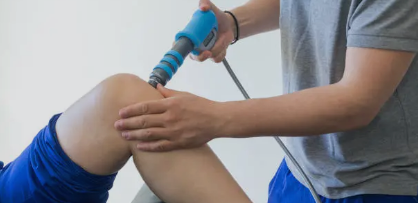
Shockwave therapy is rapidly gaining traction in Adelaide, SA, as a cutting-edge, non-invasive approach to managing pain and accelerating recovery. By delivering targeted acoustic waves to affected tissues, this therapy stimulates natural healing processes without the need for surgery or lengthy rehabilitation. Patients suffering from conditions like plantar fasciitis, tendonitis, and shoulder pain are experiencing significant relief, often after just a few sessions.
Understanding Shockwave Therapy
Shockwave therapy, or extracorporeal shock wave therapy (ESWT), involves the application of high-energy acoustic waves to targeted areas of the body. These waves penetrate deep into tissues, stimulating circulation, collagen production, and cellular repair mechanisms. Initially developed for kidney stone treatment, ESWT has evolved to effectively treat various musculoskeletal disorders, including tendonitis, plantar fasciitis, and calcific shoulder tendinopathy.
The Surge of Shockwave Therapy in Adelaide
Adelaide’s healthcare landscape has embraced shockwave therapy, with numerous clinics offering this treatment to address common conditions such as:
- Plantar fasciitis
- Achilles tendinopathy
- Tennis elbow
- Rotator cuff injuries
- Shin splints
Clinics like Adelaide Heel Pain Clinic and SA Running Injury Clinic have become prominent providers, treating over a hundred cases weekly. Their extensive experience underscores the growing trust in shockwave therapy within the community.
Mechanisms of Action
Shockwave therapy operates through several physiological mechanisms:
- Mechanical Effects: The acoustic waves induce microtrauma to the affected tissues, promoting healing.
- Biological Effects: Stimulates the production of growth factors and enhances blood circulation, facilitating tissue repair.
- Neurological Effects: Interferes with pain signal transmission, providing analgesic benefits.
These combined effects contribute to the therapy’s efficacy in treating chronic pain and accelerating recovery.
Advantages Over Traditional Treatments
Shockwave therapy offers several benefits compared to conventional treatments:
- Non-Invasive: Eliminates the need for surgical procedures and associated risks.
- Minimal Downtime: Patients can resume daily activities shortly after treatment sessions.
- Cost-Effective: Often more affordable than surgical options, with many clinics offering competitive pricing.
- High Success Rates: Studies indicate that over 70% of patients experience significant improvement.
These advantages make shockwave therapy an attractive option for individuals seeking effective pain management solutions.
Clinical Evidence Supporting Shockwave Therapy
Extensive research supports the efficacy of shockwave therapy in treating various musculoskeletal conditions:
- Plantar Fasciitis: A systematic review published in the Journal of Orthopaedic and Trauma Surgery (2019) found that shockwave therapy significantly reduced pain and improved function in patients with plantar fasciitis.
- Achilles Tendinopathy: The American Journal of Sports Medicine (2020) reported that shockwave therapy effectively improved pain and function in patients with Achilles tendinopathy.
- Calcaneal Spur: A study in the Journal of Orthopaedic Surgery and Research (2016) showed that shockwave therapy led to a significant reduction in pain and improved quality of life for patients with calcaneal spurs.
These findings underscore the treatment’s potential in managing chronic musculoskeletal conditions.
What to Expect During Treatment
A typical shockwave therapy session lasts about 10–15 minutes, depending on the condition being treated. Patients may experience mild discomfort during the procedure, but this subsides quickly. Post-treatment, some redness or swelling might occur, but these side effects are generally temporary. Most individuals can resume normal activities immediately after the session.
Patient Testimonials and Success Stories
Many Adelaide residents have shared positive experiences with shockwave therapy. Patients have reported significant reductions in pain and improvements in mobility, allowing them to return to daily activities and sports. These success stories highlight the therapy’s effectiveness and growing popularity in the region.
Choosing the Right Clinic in Adelaide
When considering shockwave therapy, it’s essential to select a reputable clinic with experienced practitioners. Clinics like Adelaide Heel Pain Clinic, SA Running Injury Clinic, and Core Physio & Pilates are renowned for their expertise in delivering high-quality shockwave therapy treatments. Consulting with a qualified professional ensures personalised care and optimal treatment outcomes.
Conclusion:
Shockwave therapy has emerged as a transformative non-invasive treatment in Adelaide, offering practical solutions for chronic pain and musculoskeletal recovery. With its proven efficacy, minimal downtime, and growing accessibility, it stands as a testament to the advancements in modern pain management. For individuals seeking alternatives to surgery and medication, shockwave therapy presents a promising option to consider.