Stockinette Bags in Australia’ The Unsung Hero of Sustainable Meat and Produce Packaging1
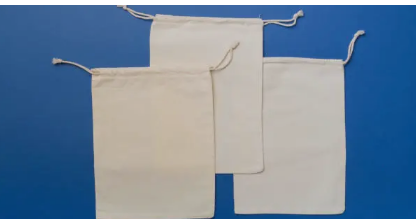
In the evolving world of packaging, elastic stockinette bags have quietly become a staple across Australia’s meat, seafood, and agricultural industries. Known for their durability, flexibility, and eco-friendly properties, these versatile stockinette bags are redefining how products are stored, transported, and presented. As sustainability continues to drive purchasing decisions and industry standards, Australian producers are turning to stockinette solutions that balance practicality with environmental responsibility.
Traditionally, stockinette bags were used primarily to wrap meat carcasses or to protect produce. Today, innovations in materials and production techniques have transformed them into essential packaging tools for butchers, farmers, and exporters nationwide. Whether it’s securing freshly processed lamb or safeguarding premium fruit during transport, these elastic mesh bags offer unmatched reliability in maintaining hygiene, freshness, and presentation quality.
Why Elastic Stockinette Bags Are Essential for Australian Industries
One of the key advantages of elastic stockinette bags lies in their adaptability. They stretch to fit a wide range of product sizes and shapes, making them ideal for use in meat processing plants and fresh produce markets. For butchers, these bags not only prevent contamination but also provide a professional and clean appearance for carcasses and meat portions.
The Australian meat export industry, valued at billions of dollars annually, relies heavily on packaging that ensures hygiene and temperature stability. Elastic stockinette wraps help maintain these standards by offering breathable protection that minimises bacterial growth and cross-contamination. Likewise, fruit and vegetable growers value these bags for their gentle grip and ventilation, which protect delicate produce such as melons, avocados, and onions during long-distance transport.
The Sustainability Edge: Supporting a Greener Future
Sustainability is no longer a niche trend—it’s a national priority. As Australia moves toward a circular economy, packaging solutions such as elastic stockinette bags are gaining recognition for their role in reducing waste. Their reusable and recyclable nature means they can be part of an ongoing effort to minimise environmental impact across supply chains.
These bags are lightweight yet robust, which reduces transportation emissions and packaging waste. Additionally, they require less material to manufacture compared to rigid alternatives, such as plastic crates or vacuum-sealed wraps. For businesses seeking to meet sustainability targets or achieve eco-certifications, switching to stockinette solutions offers both environmental and economic advantages.
Beyond the manufacturing floor, the use of biodegradable bags in farmers’ markets and retail displays is on the rise. Consumers are becoming more aware of packaging waste, and brands that adopt responsible materials often gain a competitive edge. For example, artisan butchers and boutique produce suppliers across regional Australia are using elastic stockinette wraps as part of their commitment to low-impact packaging.
Innovation and Local Manufacturing in Australia
The growing demand for elastic stockinette bags has also boosted local manufacturing. Australian companies are investing in advanced weaving technologies that improve elasticity, strength, and biodegradability. This local production ensures faster turnaround times, better quality control, and reduced carbon footprints associated with imports.
Australian manufacturers are also customising stockinette solutions for specific industries. For example, meat processors require bags that can withstand extreme cold storage conditions, while produce suppliers may need anti-abrasion coatings for delicate fruits. Such industry-specific innovations make these bags a valuable asset for diverse sectors, ranging from fisheries and horticulture to retail and exports.
Moreover, the production of stockinette bags supports local employment and contributes to regional economic growth. By choosing Australian-made packaging, businesses not only ensure quality but also strengthen domestic supply chains and resilience against global disruptions.
Choosing the Right Elastic Stockinette Bag Supplier
Selecting a trusted supplier is critical to maximising the benefits of elastic stockinette bags. Australian businesses should look for manufacturers that meet national food safety standards, provide consistent product quality, and offer customisation options. Factors like bag weight, stretchability, colour, and eco-material certifications all play a role in ensuring the product meets specific application needs.
Many reputable Australian suppliers offer bulk ordering options and tailored branding services—allowing businesses to reinforce their identity while maintaining hygiene and functionality. Additionally, partnering with local producers often means better customer service and the ability to request specialised features such as UV resistance or antimicrobial properties.
When sourcing stockinette bags, companies should also consider their long-term sustainability goals. Opting for biodegradable materials or suppliers using eco-friendly manufacturing processes demonstrates environmental responsibility and enhances a business’s reputation in the increasingly green-conscious Australian market.
Conclusion: Small Packaging, Big Impact
While often overlooked, elastic stockinette bags play a significant role in maintaining product quality, supporting sustainability, and strengthening Australia’s packaging industry. Their flexibility, hygiene benefits, and environmental advantages make them an indispensable solution for modern producers and retailers.
As Australia continues its transition toward sustainable practices, stockinette packaging is a practical, future-proof choice. From the bustling meat markets of Melbourne to the expansive farms of Queensland, these humble yet innovative bags are helping industries operate more efficiently—and more responsibly—one package at a time.