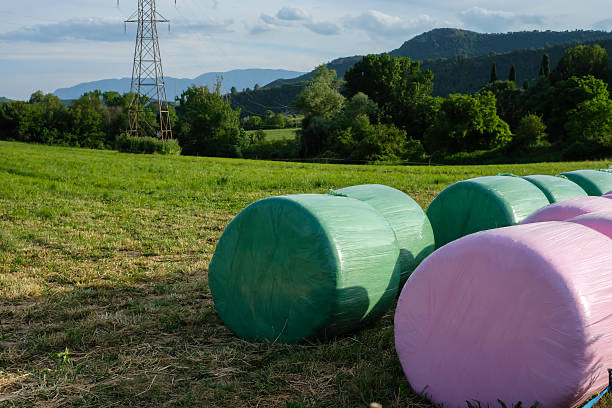
Farming
-
Net Wrap’ A Practical Guide for Australian Hay and Silage Producers
For Australian farmers, net wrap is an important part of producing and storing high-quality hay and silage bales. The right wrapping material can help protect valuable forage from weather exposure, reduce crop losses, and improve bale handling during storage and transport. Whether you operate a large-scale farm in Victoria, a mixed farming property in New South Wales, or a smaller agricultural business in Queensland, choosing the right product matters. Understanding how net wrap works, what to look for when buying it, and how it compares with traditional twine can help you make a more informed decision and get better value from every bale.
What Is Net Wrap?
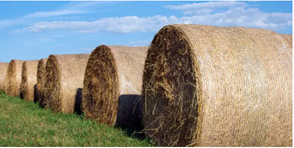
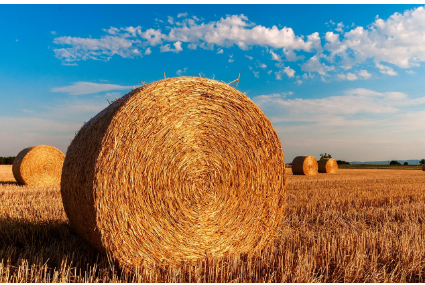
Net wrap is a specialised agricultural baling material used to secure hay, straw and other forage crops into compact round bales. It is made from woven plastic strands and is applied by a round baler as the bale reaches its desired size.
Unlike conventional baling twine, net wrap covers much of the outside surface of the bale. This creates a more consistent shape and helps contain loose material.
For Australian conditions, bale wrap needs to withstand handling, storage and exposure to changing weather conditions. Product specifications vary, so farmers should consider the crop, baler and intended storage conditions before purchasing.
Why Use Net Wrap for Baling?
One of the main advantages of net wrap is its ability to produce tightly formed, uniform bales. A well-formed bale is generally easier to handle, stack and transport.
These advantages can be particularly useful during busy Australian harvesting periods, when efficient baling and reliable storage are essential.
Choosing the Right Net Wrap
Not all net wrap products are identical. Width, length, strength, roll construction and compatibility with specific balers can differ between products.
Check Baler Compatibility
Before purchasing hay baling solution, confirm that the netting is compatible with your round baler. The baler’s feed system and wrapping mechanism can influence which products work effectively.
A product that performs well in one machine may not necessarily deliver the same results in another. Always check the manufacturer’s specifications and your baler’s operating requirements.
Consider Bale and Crop Conditions
Think about what you are baling and how the finished bales will be stored. Hay, straw and silage can have different requirements, while crop density and moisture levels can affect bale formation.
If you store bales outdoors, choosing a durable agricultural netting product and following proper storage practices are especially important.
Net Wrap vs Baling Twine
Farmers often compare net wrap with traditional baling twine. Both secure bales, but they differ in key ways.
Baling twine uses individual strands around the bale, while net wrap covers the bale more extensively. Netting can provide a smoother outer surface and may help maintain the bale’s shape during handling.
The best option depends on your equipment, crop, storage arrangements and operating costs. Farmers should consider the total cost per bale rather than simply comparing the price of a roll.
How to Get Better Results From Net Wrap
A properly configured baler setup is essential for consistent performance. Follow the equipment manufacturer’s recommendations for wrapping tension, application and bale density.
Also inspect finished bales regularly. Look for loose edges, uneven wrapping or areas where the material has failed to cover the bale properly.
For Australian producers, good storage practices are equally important. Whenever possible, store bales in a location that minimises prolonged exposure to rain and ground moisture.
Buying Net Wrap in Australia
When sourcing net wrap, look beyond the roll price. Consider roll length, coverage, strength, compatibility and how many bales you can realistically produce from each roll.
A reliable agricultural supplier should provide product specifications and help you determine whether a particular netting solution suits your baler and application.
If you are unsure which product to choose, speak with your machinery dealer or agricultural supplier before placing a large order. This can help prevent compatibility problems and unnecessary material waste.
Conclusion
The right net wrap can help produce well-formed, secure, and manageable bales while supporting efficient baling operations. For Australian farmers, choosing a product suited to the crop, baler, and storage environment matters more than choosing based solely on price.
Compare specifications, confirm machine compatibility and consider your cost per bale before buying. Speak with a reputable Australian agricultural supplier today to find the right net wrap for your baling operation and make every bale count.
Frequently Asked Questions
1. What is net wrap used for?
Net wrap is used in round balers to secure hay, straw, silage and other forage materials into compact, manageable bales.
2. Is net wrap better than baling twine?
Neither option is universally better. Net wrap can provide more complete bale coverage and consistent bale formation, while twine may suit certain equipment, crops and budgets.
3. Can net wrap be used for silage bales?
Yes, netting can be used when producing silage bales, provided the complete wrapping and storage system is appropriate for silage production and the equipment being used.
4. How do I choose net wrap for my baler?
Check the baler’s manufacturer specifications, including compatible roll dimensions and wrapping requirements. Also consider crop type, bale size and storage conditions.
5. How should wrapped hay bales be stored?
Store bales on a well-drained surface and, where practical, protect them from prolonged exposure to rain and ground moisture. Good storage helps minimise deterioration and preserve forage quality.
-
Baling Twine’ Choosing the Right Twine for WA Wheatbelt Straw
After harvest, cereal stubble can present demanding conditions for baling equipment. Dry wheat and barley straw is brittle, abrasive and often handled during hot, dry summer weather, placing extra stress on the baling system. Choosing suitable baling twine is therefore important to maintain bale integrity and avoid unnecessary breaks in the paddock.
For growers and contractors across Western Australia’s Wheatbelt, the right twine needs to work reliably with the baler, knotter and bale density being used. A suitable cereal straw baling twine for WA Wheatbelt operations should provide consistent knotting, adequate tensile strength, and resistance to abrasion and ultraviolet exposure.
Why Cereal Stubble Is Hard on Baling Twine
Wheat and barley straw can be considerably harsher on twine than softer forage crops. Sharp, dry stems can rub against the twine as the bale forms, while high-density bales increase the tension on each strand.
Summer conditions in the WA Wheatbelt can add another challenge. High temperatures, dust and strong sunlight can affect handling and contribute to premature degradation if the twine is poorly suited to outdoor conditions.
A reliable product should withstand:
● Abrasion from dry cereal stems
● High tension during bale formation
● Repeated contact with baler components
● Dusty paddock conditions
● UV exposure during storage and handling
Selecting Baling Twine for Wheat and Barley Straw
The correct baling twine specification depends on the baler, bale format, density and crop conditions. No single twine grade fits every machine.
Look Beyond Breaking Strength
Tensile strength matters, but it shouldn’t be the only consideration. Knot strength, consistency and resistance to stretching or abrasion can also influence performance.
A twine with high straight-line breaking strength may still perform poorly if it does not form secure knots under the baler’s specific conditions.
For large, square, high-density applications, operators should follow the baler manufacturer’s recommended twine specifications. The same principle applies to conventional small-square balers and other machinery used for straw recovery.
Consider Twine Construction
Polypropylene twines designed for agricultural baling are commonly selected for their combination of strength, handling characteristics and resistance to environmental exposure.
For abrasive cereal stubble, look for a product with:
● Consistent diameter and winding
● Strong, reliable knot formation
● Good abrasion resistance
● Appropriate tensile and knot strength
● UV stabilisation for outdoor exposure
● Smooth feeding through the knotter system
These characteristics can help reduce broken strands and knot failures without compromising baler performance.
Matching Twine to Baler Settings
Even high-quality baling twine cannot compensate for incorrect baler settings. Bale density, chamber pressure, pickup performance and knotter adjustment all affect the load placed on the twine.
Before starting a large straw-baling run, inspect the knotter and twine path. Check for worn guides, damaged billhooks, sharp edges or areas where twine may rub unnecessarily.
It is also useful to monitor completed bales early in the job. Loose knots, uneven tension or frequent breaks can indicate a machine adjustment issue rather than simply a twine problem.
Why the WA Wheatbelt Requires Careful Selection
The Wheatbelt’s broadacre farming systems can involve baling significant quantities of cereal residue after harvest. Straw may also be transported or stored after baling, making consistent bale integrity important beyond the initial field operation.
A purpose-selected cereal straw baling twine WA Wheatbelt setup should account for the crop residue, baler type and expected storage conditions rather than relying solely on the cheapest available spool.
Conclusion
Selecting baling twine for dry wheat and barley stubble requires more than checking the headline strength rating. Abrasion resistance, knot performance, UV stabilisation and compatibility with the baler’s knotting system all matter.
For WA Wheatbelt straw operations, choose twine designed for demanding cereal residue, and match its specifications to your baler and bale density. Speak with an agricultural twine supplier before your next harvest cleanup to confirm the appropriate twine specification for your machinery and straw conditions.
—
FAQs
1. What type of baling twine is suitable for cereal straw?
Durable polypropylene twine with appropriate tensile strength, knot strength, and abrasion resistance is generally well-suited to demanding cereal straw applications.
2. Why does dry wheat straw cause twine problems?
Dry cereal stems can be abrasive and place repeated frictional stress on twine during bale formation and handling.
3. Is tensile strength the only factor when choosing twine?
No. Knot strength, abrasion resistance, UV stability, consistency and compatibility with the baler’s knotter are also important.
4. Does baler adjustment affect twine performance?
Yes. Incorrect bale density, knotter settings, or damaged twine-path components can increase breakage even when the correct twine is used.
5. Why is UV resistance important in the WA Wheatbelt?
Straw bales may be exposed to strong sunlight during storage and handling, so UV-stabilised twine can help maintain its performance during outdoor exposure.
-
Pallet Freezer Spacers’ Optimizing Cold Storage Efficiency for Australian Businesses
In Australia’s thriving cold storage and logistics industry, maintaining the integrity of frozen goods is paramount. One often overlooked yet essential component of efficient cold storage operations is the use of pallet freezer spacers. These spacers are specially designed to create gaps between pallets, allowing proper airflow, reducing the risk of product damage, and ensuring that frozen items remain at a consistent temperature throughout storage. For Australian businesses dealing with meat, seafood, dairy, or frozen produce, selecting the right pallet freezer spacers can significantly enhance operational efficiency while meeting local regulatory standards.
The Role of Pallet Freezer Spacers in Australian Cold Storage
Australian cold storage facilities face unique challenges due to the country’s vast geography and variable climate conditions. High temperatures in regions such as Queensland and Western Australia can affect energy consumption in refrigerated warehouses. Pallet freezer spacers help by promoting even air circulation around frozen pallets, reducing the strain on refrigeration systems. By maintaining optimal airflow, these spacers prevent hotspots and frost build-up, which can compromise product quality and shelf life.
In addition to airflow management, pallet freezer spacers also protect goods from physical damage. During handling and stacking, frozen products are vulnerable to crushing. Spacers provide a stable separation between pallets, reducing the likelihood of accidents and improving workplace safety in Australian warehouses.
Key Considerations When Choosing Pallet Freezer Spacers in Australia
Selecting the right pallet freezer spacers involves more than simply purchasing standard plastic inserts. Australian businesses should consider the following factors:
1. Material Quality and Durability: Spacers must withstand extreme freezer temperatures, typically between -18°C and -25°C, without becoming brittle. High-density polyethylene (HDPE) or polypropylene spacers are common choices because they retain strength even in long-term cold storage.
2. Compliance with Food Safety Standards: Australian cold storage operators must adhere to food safety regulations outlined by Food Standards Australia New Zealand (FSANZ). Choosing spacers made from non-toxic, food-safe materials ensures compliance and prevents contamination of stored products.
3. Size and Load Capacity: The weight of pallets and the type of goods stored dictate the appropriate spacer dimensions and strength. Oversized or undersized spacers can compromise pallet stability or restrict airflow, reducing storage efficiency.
4. Ease of Handling: Lightweight, stackable designs make installation and removal easier for warehouse staff. Ergonomic designs also reduce the risk of workplace injury.
Benefits of Using Pallet Freezer Spacers in Australia
Implementing pallet freezer spacers in Australian cold storage facilities offers multiple operational advantages:
● Improved Airflow: Proper spacing allows cold air to circulate evenly around frozen goods, preventing uneven freezing and reducing energy costs.
● Enhanced Product Protection: Spacers minimise the risk of pallet collapse or product damage during storage and transport.
● Compliance and Hygiene: Using food-grade materials ensures that Australian businesses meet strict local hygiene standards.
● Optimised Storage Space: By facilitating uniform stacking, spacers enable more efficient use of warehouse space without compromising safety.
These benefits are particularly critical for Australian industries such as seafood exports from Tasmania, meat processing in Victoria, or frozen fruit distribution in Queensland. In these sectors, even minor temperature fluctuations can impact product quality and profitability.
Choosing Local Suppliers and Custom Solutions
Australian businesses often benefit from sourcing pallet freezer spacers from local manufacturers. Local suppliers can provide custom designs tailored to warehouse dimensions, pallet sizes, and product types. Additionally, working with Australian manufacturers reduces shipping costs and lead times, ensuring that facilities remain operational without interruption.
Many local providers also offer consultancy services, helping businesses select spacers that maximise efficiency while complying with FSANZ guidelines and Australian Workplace Health and Safety standards. This collaborative approach ensures that cold storage operations are optimised for both safety and cost-effectiveness.
Conclusion
For Australian cold storage and logistics operations, pallet freezer spacers are an essential investment. They not only protect frozen goods and improve airflow but also enhance overall warehouse efficiency and safety. By carefully selecting high-quality, compliant spacers suited to local conditions, Australian businesses can reduce energy costs, prevent product loss, and maintain the integrity of their frozen goods.
From meat processors in South Australia to frozen fruit distributors in Queensland, the right pallet freezer spacers support consistent quality, operational efficiency, and regulatory compliance. Investing in the proper spacers is a practical step for any Australian cold storage facility aiming to remain competitive in today’s demanding food supply chain.
-
Pallet Freezer Spacers’ Maximizing Cold Storage Efficiency for Australian Businesses
Efficient cold storage is crucial for Australian businesses handling perishable goods, and pallet freezer spacers play a key role in achieving this. These simple yet highly effective tools help maintain optimal airflow in freezers, ensuring that frozen products remain safe, high-quality, and compliant with food safety regulations. Whether in Sydney’s seafood markets, Melbourne’s fresh produce distribution centres, or Brisbane’s frozen food warehouses, pallet freezer spacers are essential for preventing product damage, improving storage capacity, and reducing energy costs.
What Are Pallet Freezer Spacers?
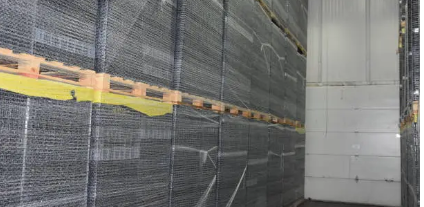
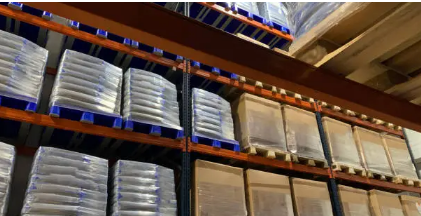
Pallet freezer spacers are inserts placed between pallets in a freezer to create uniform gaps. This spacing allows cold air to circulate evenly around all products, maintaining consistent temperatures throughout the storage area. Without these spacers, stacked pallets can block airflow, leading to uneven freezing and a higher risk of spoilage. For Australian businesses managing frozen meat, seafood, dairy, or vegetables, pallet freezer spacers are a practical solution for maintaining product quality and extending shelf life.
Benefits of Using Pallet Freezer Spacers in Australia
1. Improved Air Circulation
In large-scale cold storage facilities, airflow is critical. Australian warehouses often handle high-volume shipments, and poor airflow can lead to hot spots and uneven freezing. By creating precise gaps between pallets, pallet freezer spacers allow cold air to reach every layer, ensuring that all products remain uniformly frozen. This is particularly important for seafood exporters in Sydney or frozen vegetable distributors in Melbourne, where quality control is strictly monitored.
2. Reduced Energy Costs
Freezers in commercial facilities consume significant amounts of energy. When airflow is restricted, freezers must work harder to maintain target temperatures, driving up electricity costs. Pallet freezer spacers help optimise air distribution, allowing freezers to operate efficiently. For Australian businesses mindful of rising energy prices, this small investment can translate into considerable savings over time.
3. Minimising Product Damage
Stacking pallets directly on top of each other without spacers can cause crushed or deformed products, especially for delicate items such as frozen fish fillets, berries, or bakery products. Pallet freezer spacers prevent direct pallet contact, reducing the risk of damage and wastage. This benefit is critical for Australian retailers and wholesalers who need to maintain both product appearance and quality to meet customer expectations.
4. Compliance with Food Safety Standards
Australia has strict regulations governing the storage of perishable goods. Organisations such as Food Standards Australia New Zealand (FSANZ) require proper temperature control and hygiene practices in commercial freezers. Using pallet freezer spacers ensures proper airflow and reduces the risk of temperature fluctuations, helping businesses remain compliant with food safety guidelines.
Choosing the Right Pallet Freezer Spacers
When selecting pallet freezer spacers for Australian operations, businesses should consider durability, material, and design. High-density polyethylene (HDPE) spacers are common due to their strength, resistance to cold temperatures, and easy cleaning. Spacers should also be compatible with standard pallet sizes used in Australia, typically 1165mm x 1165mm or 1200mm x 1000mm. Investing in quality spacers reduces long-term replacement costs and ensures consistent performance in demanding cold storage environments.
Applications Across Australian Industries
Pallet freezer spacers are versatile and used in various sectors, including:
● Seafood Industry: Sydney, Hobart, and Cairns exporters rely on spacers to maintain consistent freezing for products like prawns, fish, and scallops.
● Agriculture and Fresh Produce: Melbourne and Adelaide frozen-fruit-and-vegetable suppliers use spacers to preserve texture, flavour, and nutritional value.
● Retail and Wholesale: Supermarkets and food distributors across Brisbane and Perth implement spacers to streamline storage while ensuring customer-ready products.
● Food Manufacturing: Frozen ready-to-eat meals, bakery items, and meat processing plants throughout Australia benefit from improved airflow and reduced energy costs.
Tips for Optimising Cold Storage with Pallet Freezer Spacers
1. Regularly Inspect Spacers: Check for cracks or wear that could compromise spacing.
2. Standardise Pallet Stacking: Maintain consistent pallet alignment to maximise airflow.
3. Monitor Freezer Temperatures: Use digital sensors to ensure spacers achieve uniform cold distribution.
4. Train Staff: Proper handling and stacking practices improve the efficiency and lifespan of spacers.
Conclusion
For Australian businesses managing perishable goods, pallet freezer spacers are more than just simple inserts—they are a strategic investment in product quality, operational efficiency, and energy savings. From protecting delicate seafood in Sydney to preserving frozen vegetables in Melbourne, these spacers ensure that cold storage facilities operate at peak performance while complying with national food safety standards. Adopting pallet freezer spacers is a practical, cost-effective way for Australian businesses to optimise their freezers, reduce waste, and improve overall logistics efficiency.
-
Silage Plastic Best Practices for Australian Farmers’ How to Maximise Feed Quality and Reduce Waste
Silage plastic plays a critical role in preserving fodder quality for Australian livestock producers, whether you’re running a dairy in Victoria, a beef operation in Queensland, or a mixed farm in New South Wales. In a country known for climatic extremes—intense heat, strong UV exposure, heavy rainfall in some regions and drought in others—using silage coverings effectively can mean the difference between high-quality feed and costly spoilage. Understanding how to make the most of your silage plastic helps protect your investment, maintain animal performance, and improve overall farm efficiency.
Understanding Australia’s Unique Silage Challenges
Australian farming conditions are unlike those in many other silage-producing regions worldwide. High UV levels can degrade plastics quickly, while temperature fluctuations can stress poorly applied covers. Wind is another major factor, particularly in open paddocks, where loose sheeting can lead to air ingress and mould growth.
Selecting silage plastic that is specifically designed for Australian conditions is essential. Look for products with high UV stabilisation ratings, proven oxygen barrier properties, and adequate thickness for your storage method—whether that’s bunkers, pits, or round bales. These features directly influence how well fermentation is maintained and how long the plastic remains effective under harsh sunlight.
Choosing the Right Type and Thickness
Not all silage plastics are created equal. Australian farmers should match the plastic type to both the fodder and the storage system. For example, bunker silage typically requires heavier gauge film with strong puncture resistance, while bale silage benefits from multi-layer stretch wrap designed to conform tightly around the forage.
Using thinner plastic to save money upfront often leads to higher losses through tears, bird damage, or oxygen penetration. Investing in high-quality silage plastic, which may cost slightly more initially, can significantly reduce dry matter losses and preserve nutritional value throughout storage, particularly during long, hot summers.
Correct Application Makes All the Difference
Even the best plastic will underperform if it’s applied incorrectly. Proper application is one of the most cost-effective ways to maximise silage outcomes. Ensure the forage is well compacted before covering, as trapped air is the primary cause of spoilage. Apply plastic immediately after filling to minimise oxygen exposure.
Edges and joins deserve special attention. Weigh down bunker covers with tyres, gravel bags, or purpose-made mats to ensure even pressure across the surface. In windy Australian regions, this step is especially important to prevent lifting and flapping, which accelerates wear and allows air to enter. Regularly inspecting covers after storms or heatwaves helps catch small issues before they escalate into major losses due to silage plastic failure.
Storage, Handling, and On-Farm Care
Maximising the lifespan of silage plastic starts before it’s even used. Store unused rolls in a shaded, cool area away from direct sunlight and chemicals. Rough handling during transport or installation can cause micro-tears that worsen over time, so careful handling is essential.
Once in place, protect silage covers from pests, including birds, rodents, and even livestock. Many Australian farmers use netting or protective top sheets to extend cover life and reduce damage. These secondary layers also help reflect heat, keeping silage cooler and more stable during extreme summer temperatures.
Reducing Waste and Improving Sustainability
With growing attention on sustainability in Australian agriculture, the responsible use and disposal of silage plastic is becoming increasingly important. Minimising waste starts with efficient use—choosing the right size rolls, avoiding unnecessary overlaps, and preventing damage that forces early replacement.
At the end of its life, clean and sort used plastic for recycling where possible. Many regions now offer agricultural plastic recycling programs, allowing farmers to divert waste from landfills while meeting environmental expectations. By extending the usable life of silage plastic and participating in recycling initiatives, producers can improve both economic and environmental outcomes.
The Long-Term Payoff for Australian Producers
Making the most of silage plastic is not just about protecting feed—it’s about protecting farm profitability. High-quality silage supports consistent livestock performance, reduces reliance on purchased feed, and stabilises production costs during seasonal variability. In Australia’s unpredictable climate, well-managed silage systems provide valuable resilience.
By selecting products suited to local conditions, applying them correctly, and maintaining them throughout storage, farmers can significantly reduce spoilage and waste. Over time, these practices turn silage plastic from a basic consumable into a strategic tool that supports productivity, sustainability, and long-term success in Australian farming systems.
-
Net Replacement Film’ A Practical Solution for Australian Homes
When it comes to maintaining a comfortable and secure home environment, Australian homeowners are constantly seeking solutions that are both cost-effective and practical. One product gaining popularity nationwide is net replacement film. Designed to restore and improve window and door screens, net replacement film offers an efficient way to keep insects out while enhancing home aesthetics and energy efficiency. Whether you live in Sydney, Melbourne, Brisbane, or Perth, this innovative solution provides a convenient alternative to fully replacing damaged screens.
What is Net Replacement Film?
Net replacement film is a thin, durable material designed to cover damaged or worn-out window and door screens. Unlike traditional screen replacement, which can be time-consuming and expensive, this film allows homeowners to repair their existing screens without removing or replacing the entire frame. Made from high-quality, weather-resistant materials, net replacement film ensures long-lasting performance, even under the varied Australian climate conditions, from humid tropical regions to dry interior areas.
Benefits of Using Net Replacement Film
1. Keeps Insects Out
One of the primary reasons Australian households invest in net replacement film is its effectiveness in keeping insects, such as mosquitoes, flies, and midges, outside. With warm weather in many regions creating ideal breeding conditions for pests, having intact screens is essential to maintaining a healthy, comfortable home environment. Net replacement film acts as a reliable barrier while allowing fresh air to circulate freely through your living spaces.
2. Cost-Effective Home Maintenance
Replacing an entire screen can be costly, especially if you have multiple windows or sliding doors. Net replacement film offers a budget-friendly alternative that extends the life of homeowners’ existing screens without compromising functionality. For households in cities like Adelaide or Canberra, where labour and material costs can be high, this film provides an economical way to maintain screens without major renovations.
3. Easy Installation
Another advantage of net replacement film is its ease of installation. Many products are designed for DIY use, allowing homeowners to quickly restore their screens without professional help. For busy families in fast-paced urban areas like Sydney or Melbourne, this convenience is particularly appealing. Additionally, professional installation services are readily available across Australia for those who prefer a hassle-free solution.
4. Energy Efficiency
Net replacement film also contributes to energy efficiency by reducing the need for air conditioning and fans. Properly fitted screens help maintain indoor temperatures by allowing ventilation while keeping pests out, which is especially beneficial during Australia’s hot summer months. This not only improves comfort but also helps lower electricity bills—a significant consideration for energy-conscious Australians.
Suitable for Various Australian Climates
Australia’s diverse climate means homes require solutions that withstand a range of weather conditions. Net replacement film is manufactured to resist UV rays, moisture, and wind- or dust-induced wear. Whether it’s the humid conditions of northern Queensland, the coastal breezes of Sydney, or the arid heat of Alice Springs, this material performs reliably. Its durability ensures that homeowners in all regions can enjoy pest-free indoor spaces without worrying about frequent replacements.
Aesthetic and Practical Advantages
Beyond functionality, net replacement film can also enhance the look of your windows and doors. Available in a range of finishes and colours, it blends seamlessly with your existing frames and home décor. This makes it a practical choice for homeowners seeking both utility and style. Furthermore, it requires minimal maintenance compared to traditional screens, saving time and effort for busy Australian households.
DIY or Professional Installation
While net replacement film is designed for easy application, some homeowners prefer professional installation to ensure a perfect fit. Many companies across Australia offer services for both residential and commercial properties, ensuring screens are restored efficiently and securely. For DIY enthusiasts, most films come with clear instructions and tools, allowing a straightforward installation process without specialised skills.
Where to Buy Net Replacement Film in Australia
Net replacement film is widely available in hardware stores, home improvement centres, and online retailers across Australia. Cities such as Brisbane, Melbourne, Perth, and Sydney have numerous suppliers offering a variety of film types suited for different screen materials. Homeowners can also consult with local professionals to select the most suitable product for their needs.
Conclusion
For Australian homeowners seeking an affordable, effective, and practical solution for damaged window and door screens, net replacement film is an excellent option. It combines ease of installation, durability, and pest protection, making it suitable for a variety of climates and home styles. By investing in net replacement film, you not only enhance the comfort and security of your home but also enjoy a cost-effective alternative to full-screen replacement. Whether you are renovating, repairing, or simply maintaining your property, net replacement film is a versatile choice for keeping your Australian home safe, comfortable, and stylish.
-
Stockinette Bags in Australia’ The Unsung Hero of Sustainable Meat and Produce Packaging1
In the evolving world of packaging, elastic stockinette bags have quietly become a staple across Australia’s meat, seafood, and agricultural industries. Known for their durability, flexibility, and eco-friendly properties, these versatile stockinette bags are redefining how products are stored, transported, and presented. As sustainability continues to drive purchasing decisions and industry standards, Australian producers are turning to stockinette solutions that balance practicality with environmental responsibility.
Traditionally, stockinette bags were used primarily to wrap meat carcasses or to protect produce. Today, innovations in materials and production techniques have transformed them into essential packaging tools for butchers, farmers, and exporters nationwide. Whether it’s securing freshly processed lamb or safeguarding premium fruit during transport, these elastic mesh bags offer unmatched reliability in maintaining hygiene, freshness, and presentation quality.
Why Elastic Stockinette Bags Are Essential for Australian Industries
One of the key advantages of elastic stockinette bags lies in their adaptability. They stretch to fit a wide range of product sizes and shapes, making them ideal for use in meat processing plants and fresh produce markets. For butchers, these bags not only prevent contamination but also provide a professional and clean appearance for carcasses and meat portions.
The Australian meat export industry, valued at billions of dollars annually, relies heavily on packaging that ensures hygiene and temperature stability. Elastic stockinette wraps help maintain these standards by offering breathable protection that minimises bacterial growth and cross-contamination. Likewise, fruit and vegetable growers value these bags for their gentle grip and ventilation, which protect delicate produce such as melons, avocados, and onions during long-distance transport.
The Sustainability Edge: Supporting a Greener Future
Sustainability is no longer a niche trend—it’s a national priority. As Australia moves toward a circular economy, packaging solutions such as elastic stockinette bags are gaining recognition for their role in reducing waste. Their reusable and recyclable nature means they can be part of an ongoing effort to minimise environmental impact across supply chains.
These bags are lightweight yet robust, which reduces transportation emissions and packaging waste. Additionally, they require less material to manufacture compared to rigid alternatives, such as plastic crates or vacuum-sealed wraps. For businesses seeking to meet sustainability targets or achieve eco-certifications, switching to stockinette solutions offers both environmental and economic advantages.
Beyond the manufacturing floor, the use of biodegradable bags in farmers’ markets and retail displays is on the rise. Consumers are becoming more aware of packaging waste, and brands that adopt responsible materials often gain a competitive edge. For example, artisan butchers and boutique produce suppliers across regional Australia are using elastic stockinette wraps as part of their commitment to low-impact packaging.
Innovation and Local Manufacturing in Australia
The growing demand for elastic stockinette bags has also boosted local manufacturing. Australian companies are investing in advanced weaving technologies that improve elasticity, strength, and biodegradability. This local production ensures faster turnaround times, better quality control, and reduced carbon footprints associated with imports.
Australian manufacturers are also customising stockinette solutions for specific industries. For example, meat processors require bags that can withstand extreme cold storage conditions, while produce suppliers may need anti-abrasion coatings for delicate fruits. Such industry-specific innovations make these bags a valuable asset for diverse sectors, ranging from fisheries and horticulture to retail and exports.
Moreover, the production of stockinette bags supports local employment and contributes to regional economic growth. By choosing Australian-made packaging, businesses not only ensure quality but also strengthen domestic supply chains and resilience against global disruptions.
Choosing the Right Elastic Stockinette Bag Supplier
Selecting a trusted supplier is critical to maximising the benefits of elastic stockinette bags. Australian businesses should look for manufacturers that meet national food safety standards, provide consistent product quality, and offer customisation options. Factors like bag weight, stretchability, colour, and eco-material certifications all play a role in ensuring the product meets specific application needs.
Many reputable Australian suppliers offer bulk ordering options and tailored branding services—allowing businesses to reinforce their identity while maintaining hygiene and functionality. Additionally, partnering with local producers often means better customer service and the ability to request specialised features such as UV resistance or antimicrobial properties.
When sourcing stockinette bags, companies should also consider their long-term sustainability goals. Opting for biodegradable materials or suppliers using eco-friendly manufacturing processes demonstrates environmental responsibility and enhances a business’s reputation in the increasingly green-conscious Australian market.
Conclusion: Small Packaging, Big Impact
While often overlooked, elastic stockinette bags play a significant role in maintaining product quality, supporting sustainability, and strengthening Australia’s packaging industry. Their flexibility, hygiene benefits, and environmental advantages make them an indispensable solution for modern producers and retailers.
As Australia continues its transition toward sustainable practices, stockinette packaging is a practical, future-proof choice. From the bustling meat markets of Melbourne to the expansive farms of Queensland, these humble yet innovative bags are helping industries operate more efficiently—and more responsibly—one package at a time.
-
Net Wrap What Australian Farmers Should Know
For Australian farmers, choosing the right net wrap is critical to maintaining the quality and integrity of hay and silage bales. Net wrap plays a vital role in protecting fodder from weather, pests, and mechanical damage during storage and transport. But with so many options available, how can farmers be sure the net wrap they select will deliver the strength and durability required? Understanding net wrap strength testing is essential for making informed decisions that safeguard crops and investment.
Why Net Wrap Strength Matters to Australian Farmers
Australia’s agricultural landscape is vast and varied, exposing hay producers to unique environmental challenges such as intense sunlight, strong winds, and occasional heavy rains. A robust net wrap can significantly reduce bale spoilage and losses by tightly securing the forage and resisting tears and punctures. Poor-quality net wrap can result in compromised bales that lose nutritional value or become difficult to handle.
Strength testing provides farmers with measurable data on a net wrap’s ability to withstand these stresses, ensuring they invest in products that meet the demands of Australian conditions.
Understanding Net Wrap Strength Testing Methods
The process of strength testing net wrap involves evaluating its tensile strength, tear resistance, and elongation properties. Here are the key methods used to assess these attributes:
- Tensile Strength Testing: This measures the force required to stretch and eventually break the net wrap. It simulates real-world stress when bales are wrapped and moved.
- Tear Resistance Testing: This evaluates how well the net wrap resists propagation of tears or cuts, crucial for preventing small damages from turning into large failures.
- Elongation Testing: This assesses the material’s stretchability and ability to absorb shocks without snapping.
Testing is usually done in laboratory conditions using specialised equipment. Results are expressed in units like Newtons (N) or pounds per inch (lbs/in), providing a standardised comparison among different net wrap brands and types.
Australian Standards and Industry Benchmarks
In Australia, there isn’t a mandatory national standard specific to net wrap strength, but many suppliers voluntarily comply with international and regional guidelines. The Australian agricultural sector increasingly looks to standards such as those set by ISO (International Organisation for Standardisation) or ASTM (American Society for Testing and Materials) for quality assurance.
Farmers should seek net wrap products that clearly provide strength test data or certifications. This transparency enables better comparisons and reduces the risk of buying subpar materials.
Practical Implications of Net Wrap Strength on Farm Operations
Choosing net wrap based on strength testing results can translate to tangible benefits on the farm:
- Improved Bale Integrity: Stronger net wrap holds bales tighter, minimising deformation and maintaining shape.
- Weather Resistance: Robust wraps resist wind damage and water ingress, reducing spoilage.
- Reduced Labour and Equipment Wear: Durable net wrap means fewer breakages during baling and handling, saving time and wear on machinery.
- Cost Efficiency: Investing in quality net wrap lowers the risk of bale loss and replacement costs, proving economical over time.
Farmers should balance strength with other factors such as UV resistance, ease of use, and environmental impact when selecting net wrap.
Innovations in Net Wrap Technology for Australian Conditions
The Australian farming sector is witnessing advancements in net wrap materials that enhance strength without sacrificing flexibility or environmental sustainability. Some notable trends include:
- High-Tensile Polymers: New polymer blends provide superior strength and tear resistance, ideal for large-scale hay production.
- UV-Stabilised Net Wrap: Extended UV protection ensures wraps last longer under Australia’s intense sun.
- Eco-Friendly Options: Biodegradable and recyclable net wraps are gaining traction, addressing growing environmental concerns.
Farmers interested in the latest technology should consult suppliers about strength testing reports tailored to Australian farming scenarios.
Tips for Farmers: What to Ask Your Net Wrap Supplier
When purchasing net wrap, Australian farmers should request the following information to ensure the product meets their needs:
- What are the tensile strength and tear resistance ratings?
- Has the net wrap been tested under conditions simulating Australian weather?
- Are there any certifications or compliance with international standards?
- What is the warranty or guarantee on product performance?
Armed with these answers, farmers can confidently choose a net wrap that protects their valuable harvest.
Conclusion: Making Strength Testing Work for You
For Australian farmers, understanding net wrap strength testing is not just a technical exercise but a practical necessity. It provides an objective measure to evaluate products and avoid costly mistakes. By prioritising net wrap strength and related quality metrics, farmers can ensure their hay and silage remain secure, nutritious, and ready to support livestock throughout the year.
In an industry where every bale counts, investing in tested and proven net wrap is a step toward sustainable and efficient farming operations down under.
If you’re an Australian farmer looking to upgrade your net wrap, remember: strength testing is your key to protecting your harvest and maximising value. Don’t settle for guesswork — choose products backed by data and designed for your unique agricultural environment.
-
Bale Wrap: A Comprehensive Guide for Australian Farmers
In Australia’s vast agricultural landscape, the preservation of forage is crucial for livestock health and farm profitability. One effective solution that has gained popularity among Australian farmers is bale wrap. For more information about the cost-effective bale wrap, click here.
What is Bale Wrap?
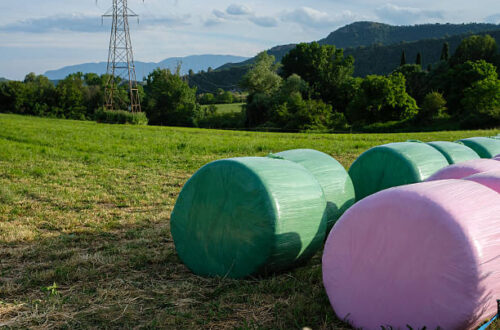
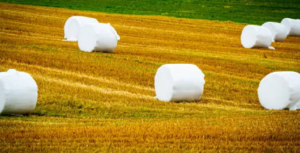 Bale wrap is a type of plastic film used to preserve and protect round bales of hay, silage, or straw. It is designed to create an airtight seal that prevents moisture from entering and spoiling the contents.
The Importance of Bale Wrap in Australia
Moisture Control
Australia’s climate presents unique challenges for farmers. With dry spells followed by heavy rains, maintaining the quality of stored feed is paramount. Bale wrap acts as a moisture barrier, protecting bales from rain, dew, and humidity. It is especially important during the wet season when the risk of spoilage is high. By using high-quality bale wrap, farmers can significantly reduce the chances of mould growth and nutrient loss.
Enhanced Nutrient Retention
Properly wrapped bales can maintain their nutritional value for extended periods. The airtight seal created by bale wrap minimises oxygen exposure, which is crucial for preventing the degradation of essential nutrients. For farmers in Australia, this means their livestock receive high-quality forage, promoting better health and productivity.
Cost-Effectiveness
Investing in bale wrap can lead to substantial savings over time. By preserving forage more effectively, farmers can reduce feed wastage and ensure their livestock have access to adequate nutrition, especially during droughts or feed shortages. Additionally, well-preserved bales can command higher prices in the market, making bale wrap a wise financial decision.
Ease of Handling and Storage
Bale wrap is lightweight and easy to handle, making it a practical choice for farmers. Wrapped bales can be easily stacked and transported without the risk of damage, which is especially beneficial for large operations where efficiency is critical.
Versatility
Bale wrap is not limited to hay and silage; it can also be used for various types of forage. Whether you are wrapping alfalfa, ryegrass, or even byproducts like sugar cane tops, bale wrap offers versatility to cater to different farming needs. This adaptability makes it an essential tool for diverse agricultural practices across Australia.
Choosing the Right Bale Wrap
When selecting bale wrap, several factors must be considered to ensure optimal performance:
Thickness and Strength
Bale wrap comes in different thicknesses and strengths. Thicker films are generally more durable and resistant to tearing. In regions with rough terrain or heavy winds, opting for a more substantial wrap can provide better protection for your bales.
UV Resistance
Australia’s intense sun can degrade low-quality plastic films over time. Look for bale wrap designed explicitly with UV inhibitors to ensure longevity and effectiveness. High-quality UV-resistant films can last through multiple seasons without losing their protective properties.
Width and Length
Bale wrap is available in various widths and lengths to accommodate different bale sizes. Ensure you choose a wrap that fits your specific bale dimensions to maximise coverage and effectiveness.
Best Practices for Using Bale Wrap
To maximise the benefits of bale wrap, consider the following best practices:
Proper Wrapping Technique
Ensure that the bale is wrapped tightly to create an airtight seal. Overlapping the layers of wrap is essential to prevent air pockets, which can lead to spoilage.
Store Bales in a Dry Area
While bale wrap protects against moisture, it is advisable to store wrapped bales in a dry area, such as a barn or shed, to minimise exposure to extreme weather conditions.
Regular Inspection
Periodically inspect wrapped bales for signs of damage or deterioration. Addressing issues promptly can prevent more significant problems.
Conclusion:
In the ever-evolving world of Australian agriculture, bale wrap stands out as a crucial innovation for farmers looking to preserve the quality of their forage. With its moisture control capabilities, nutrient retention, and cost-effectiveness, bale wrap not only protects livestock health but also enhances farm profitability. By understanding the importance of bale wrap and following best practices, Australian farmers can ensure their operations remain productive and sustainable.
-
Baler Twine: Best Practices for Square Baler Twine Applicatio
Square baler twine application is a critical component in the agricultural process, particularly for farmers who rely on square balers to package their hay, straw, or other crops. Proper use of square baler twine not only ensures the quality and integrity of the bales but also maximises efficiency, reduces waste, and minimises costs. This article explores the best practices for square baler twine application, offering valuable insights for farmers looking to optimise their baling operations.
Understanding Square Baler Twine
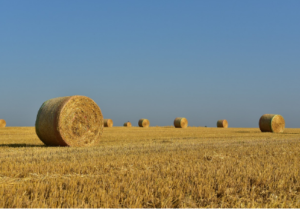 Before diving into best practices, it’s essential to understand what square baler twine is and its role in the baling process. Square baler twine is a strong, durable cord used to tie bales of hay, straw, or other crops. It comes in various materials, including natural fibres like sisal and synthetic fibres such as polypropylene. The choice of twine depends on factors like the type of crop, baler specifications, and environmental considerations.
Best Practices for Square Baler Twine Application
Selecting the Right Twine
Choosing the appropriate twine is the first step in maximising efficiency in square baler twine application. Consider the following factors:
- Twine Strength: Ensure the twine has sufficient tensile strength to handle the weight and density of the bales. Overloaded twine can break, leading to wasted time and resources.
- Material: Natural twine is biodegradable and environmentally friendly but may not be as durable as synthetic options. Synthetic twine, while more robust and resistant to weather, can have environmental drawbacks.
- Baler Compatibility: Check the baler’s specifications to determine the recommended twine type and strength. Using incompatible twine can cause baler malfunctions.
Proper Twine Storage
Storage conditions significantly impact the performance of square baler twine. Follow these storage tips:
- Dry Environment: Keep twine in a dry, cool place to prevent degradation from moisture and heat. Wet twine can weaken and rot, while excessive heat can cause synthetic twine to deteriorate.
- Protection from UV Rays: Store twine away from direct sunlight, as UV rays can weaken both natural and synthetic fibres over time.
- Rodent Control: Ensure the storage area is free from rodents, which can chew through twine and render it unusable.
Correct Baler Setup
Properly setting up the baler for twine application is crucial for efficient baling. Here are some setup tips:
- Tension Adjustment: Adjust the twine tension settings according to the manufacturer’s guidelines. Incorrect tension can lead to loose or overly tight bales, both of which are inefficient.
- Knotter Maintenance: Regularly inspect and maintain the baler’s knotters. Clean any debris and ensure the knotters are properly lubricated to prevent twine breakage.
- Twine Routing: Follow the recommended twine routing paths. Incorrect routing can cause twine misfeeds and inefficient tying.
Monitoring Twine Usage
Keeping an eye on twine usage helps in identifying issues early and maintaining efficiency:
- Regular Inspections: Check the twine during baling operations to ensure it is feeding correctly and not fraying or breaking.
- Twine Guides: Use twine guides to keep the twine aligned and reduce friction, which can cause wear and tear.
- Consistent Monitoring: Monitor the twine tension and adjust as needed throughout the baling process to maintain consistent bale quality.
Optimising Bale Density
Optimising the density of the bales can significantly impact the efficiency of twine application:
- Uniform Bale Size: Aim for uniform bale sizes to ensure consistent twine usage. Irregular bale sizes can lead to inefficient tying and increased twine consumption.
- Appropriate Bale Density: Balance bale density to maximise the use of twine without compromising the integrity of the bales. Overly dense bales can strain the twine, while under-dense bales may lead to loose and unstable bales.
Training and Safety
Ensuring that all operators are well-trained and aware of safety protocols is vital:
- Operator Training: Provide thorough training on the baler’s operation, including twine application procedures and troubleshooting.
- Safety Measures: Emphasise safety measures, such as wearing appropriate protective gear and understanding emergency procedures in case of twine breakage or equipment malfunctions.
Conclusion
Maximising efficiency in square baler twine application requires a comprehensive approach, from selecting the right twine to proper storage, setup, and ongoing monitoring. By following these best practices, farmers can ensure high-quality bales, reduce waste, and achieve cost savings. Proper twine application not only enhances the baling process but also contributes to a more sustainable and productive agricultural operation.