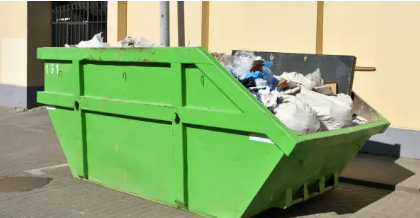
Skip Bins’ The Unexpected ‘Waste Audit’ That Can Reveal What’s Really Going Wrong in Your Business
What if your rubbish could tell you why your business is losing money? In Adelaide, SA, the humble skip bins sitting outside a renovation site, warehouse or commercial property may contain more useful business intelligence than many managers realise. The discarded materials inside can reveal over-ordering, poor processes, excessive packaging, project mistakes and even opportunities to reduce operating costs.
For businesses across Adelaide, waste is usually treated as something that needs to disappear quickly. But before it is hauled away, it can offer a revealing snapshot of how efficiently your operation is actually running.
Your Waste Tells a Story About Your Business
Every business produces waste, but the type, volume and frequency of that waste can reveal patterns that are easy to overlook in spreadsheets and reports.
A construction company might discover that it discards large quantities of unused building materials. A retailer could find that excessive cardboard and plastic packaging is driving unnecessary disposal costs. An office fit-out project may reveal that perfectly usable fixtures are being thrown away simply because nobody planned for their reuse.
● Repeated waste points to inefficiencies: If the same materials are constantly discarded, there may be a purchasing, design, or workflow problem at the root.
● Waste volume can expose poor forecasting: Regularly filling bins faster than expected may indicate that projects are being underestimated or material requirements are poorly calculated.
● Unusual waste can highlight operational changes: A sudden increase in a particular material may correspond with a new supplier, product line, construction method or internal process.
The important point is that waste should not automatically be viewed as random. It is often the physical result of decisions being made elsewhere in the organisation.
For Adelaide businesses, especially those operating in competitive industries, understanding those patterns can turn waste management from a routine expense into an opportunity for operational improvement.
What Your Skip Bin Could Reveal About Hidden Costs
A waste audit does not have to involve complicated software or an expensive consultant. Sometimes, a basic look at what you’re discarding can raise the right questions.
Consider a commercial renovation in Adelaide. The project manager expects a certain amount of waste, but the skip bins are repeatedly filled with unopened materials, unused timber and damaged products. That immediately raises several questions: Why were these materials purchased? Why were they not used? Could the damage have been prevented?
● Unused materials may indicate over-ordering: Excess stock represents money that was spent but never converted into productive output.
● Damaged materials may expose handling problems: Repeated breakage could point to inadequate storage, transportation or site procedures.
● Mixed waste can increase disposal costs: Separating recyclable or recoverable materials may reduce the amount of general waste sent for disposal.
The financial impact can be larger than it initially appears. The business may have paid for the material, paid employees to move it, paid for transportation, and then paid again to dispose of it.
In other words, the rubbish can represent multiple layers of wasted expenditure.
This is why businesses should review their waste streams before simply ordering a larger bin. A bigger container might solve the immediate problem while allowing the underlying inefficiency to continue.
From Adelaide Construction Sites to Retail Operations
The waste-audit concept is particularly relevant to industries in which materials and packaging account for a significant proportion of operational costs.
Construction and renovation businesses, for example, can use waste patterns to identify opportunities for better project planning. Retailers and warehouses can examine packaging waste to assess whether suppliers are using excessive materials. Hospitality businesses can investigate food and packaging disposal to identify purchasing or inventory issues.
● Construction: Excess plasterboard, timber, tiles, or other materials may indicate inaccurate measurements or poor project planning.
● Warehousing: High volumes of damaged packaging may indicate storage or handling issues that require attention.
● Retail and hospitality: Recurring patterns in discarded stock or packaging could indicate purchasing, inventory or supplier problems.
For businesses operating around Adelaide, from the CBD to suburbs such as Norwood, Glenelg and Prospect, the specific waste profile will naturally vary. A commercial office will have a different waste story from a residential builder or a warehouse.
The goal is not to eliminate every piece of waste. That is unrealistic. Instead, the objective is to identify avoidable waste—material that should never have been purchased, damaged, over-ordered, or discarded in the first place.
How to Turn Waste Data Into Better Decisions
Once a business starts viewing waste as information, the next step is to create a simple process to capture and analyse it.
This does not need to become a complicated administrative exercise. Even a basic monthly review can reveal useful trends.
● Photograph recurring waste: Before disposal, take quick photos of unusual or high-volume waste categories to create a visual record.
● Track material categories: Record what is being discarded rather than simply measuring total bin volume.
● Compare waste against projects: Look for differences between jobs, sites, teams or suppliers to identify where avoidable waste is highest.
Businesses should also speak with employees who work directly with materials. The person ordering stock may not know that workers regularly receive damaged products. Likewise, a manager may not realise that staff are discarding certain items because there is no practical storage area.
A skip bins review can therefore serve as a starting point for broader conversations about procurement, training, supplier performance, and workflow design.
The most valuable insight may not be how much waste the business produces, but why that waste exists in the first place.
Conclusion: Before You Empty the Bin, Read the Evidence
The next time your business arranges waste collection, take a moment before everything disappears. Your bins may reveal problems that financial reports cannot easily capture.
For Adelaide businesses, a waste audit can uncover everything from excessive purchasing and inefficient processes to damaged materials and unnecessary disposal costs. The objective is not to obsess over every discarded item. It is to recognise patterns and connect those patterns to decisions made throughout the business.
Your next step should be practical: choose one upcoming waste collection, document what is being thrown away and categorise the main sources of waste. Then ask a simple question for each category: Why did we have to throw this away? If the answer points to a problem that could have been prevented, you have found your first opportunity to reduce costs—and your skip bins may have just delivered one of the most useful business audits you never planned to conduct.
