Silage Plastic Best Practices for Australian Farmers’ How to Maximise Feed Quality and Reduce Waste
Silage plastic plays a critical role in preserving fodder quality for Australian livestock producers, whether you’re running a dairy in Victoria, a beef operation in Queensland, or a mixed farm in New South Wales. In a country known for climatic extremes—intense heat, strong UV exposure, heavy rainfall in some regions and drought in others—using silage coverings effectively can mean the difference between high-quality feed and costly spoilage. Understanding how to make the most of your silage plastic helps protect your investment, maintain animal performance, and improve overall farm efficiency.
Understanding Australia’s Unique Silage Challenges
Australian farming conditions are unlike those in many other silage-producing regions worldwide. High UV levels can degrade plastics quickly, while temperature fluctuations can stress poorly applied covers. Wind is another major factor, particularly in open paddocks, where loose sheeting can lead to air ingress and mould growth.
Selecting silage plastic that is specifically designed for Australian conditions is essential. Look for products with high UV stabilisation ratings, proven oxygen barrier properties, and adequate thickness for your storage method—whether that’s bunkers, pits, or round bales. These features directly influence how well fermentation is maintained and how long the plastic remains effective under harsh sunlight.
Choosing the Right Type and Thickness
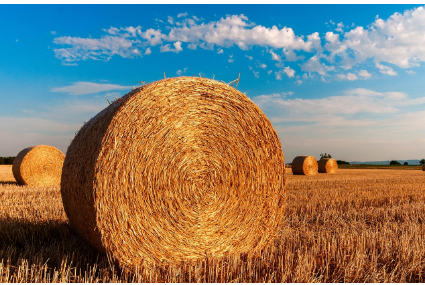
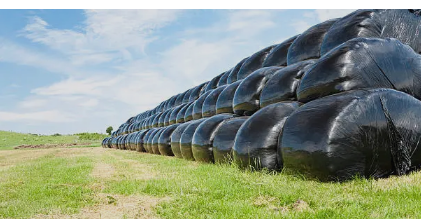
Not all silage plastics are created equal. Australian farmers should match the plastic type to both the fodder and the storage system. For example, bunker silage typically requires heavier gauge film with strong puncture resistance, while bale silage benefits from multi-layer stretch wrap designed to conform tightly around the forage.
Using thinner plastic to save money upfront often leads to higher losses through tears, bird damage, or oxygen penetration. Investing in high-quality silage plastic, which may cost slightly more initially, can significantly reduce dry matter losses and preserve nutritional value throughout storage, particularly during long, hot summers.
Correct Application Makes All the Difference
Even the best plastic will underperform if it’s applied incorrectly. Proper application is one of the most cost-effective ways to maximise silage outcomes. Ensure the forage is well compacted before covering, as trapped air is the primary cause of spoilage. Apply plastic immediately after filling to minimise oxygen exposure.
Edges and joins deserve special attention. Weigh down bunker covers with tyres, gravel bags, or purpose-made mats to ensure even pressure across the surface. In windy Australian regions, this step is especially important to prevent lifting and flapping, which accelerates wear and allows air to enter. Regularly inspecting covers after storms or heatwaves helps catch small issues before they escalate into major losses due to silage plastic failure.
Storage, Handling, and On-Farm Care
Maximising the lifespan of silage plastic starts before it’s even used. Store unused rolls in a shaded, cool area away from direct sunlight and chemicals. Rough handling during transport or installation can cause micro-tears that worsen over time, so careful handling is essential.
Once in place, protect silage covers from pests, including birds, rodents, and even livestock. Many Australian farmers use netting or protective top sheets to extend cover life and reduce damage. These secondary layers also help reflect heat, keeping silage cooler and more stable during extreme summer temperatures.
Reducing Waste and Improving Sustainability
With growing attention on sustainability in Australian agriculture, the responsible use and disposal of silage plastic is becoming increasingly important. Minimising waste starts with efficient use—choosing the right size rolls, avoiding unnecessary overlaps, and preventing damage that forces early replacement.
At the end of its life, clean and sort used plastic for recycling where possible. Many regions now offer agricultural plastic recycling programs, allowing farmers to divert waste from landfills while meeting environmental expectations. By extending the usable life of silage plastic and participating in recycling initiatives, producers can improve both economic and environmental outcomes.
The Long-Term Payoff for Australian Producers
Making the most of silage plastic is not just about protecting feed—it’s about protecting farm profitability. High-quality silage supports consistent livestock performance, reduces reliance on purchased feed, and stabilises production costs during seasonal variability. In Australia’s unpredictable climate, well-managed silage systems provide valuable resilience.
By selecting products suited to local conditions, applying them correctly, and maintaining them throughout storage, farmers can significantly reduce spoilage and waste. Over time, these practices turn silage plastic from a basic consumable into a strategic tool that supports productivity, sustainability, and long-term success in Australian farming systems.