DIY Gutter Guards
If you’re handy and want to take care of some minor home improvement projects, then DIY gutter guards are what you’re looking for. The DIY gutter guard is an innovative product that helps dry standing water, prevent ice buildup, and create air circulation within your system. They feature a hi-tech Vented Raised Ridge Down Draft design that promotes down-drafts and airflow to your gutter system.
 Mesh
Mesh
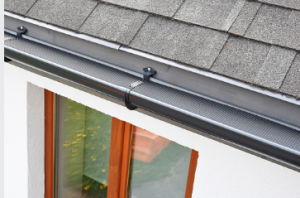
If you are looking for a DIY gutter guard that will help to protect your home and prevent water damage, you should consider a mesh or micro mesh guard. These products are available in various styles, materials, and prices.
The best gutter guards are made from durable materials that withstand various weather conditions and debris. They should be easy to install and should be able to protect your home’s roof and gutters.
The size is one of the most critical factors in choosing the right guard. You should measure your existing gutters and ensure they will fit the guard you purchase. There are many different sizes and shapes, so be sure to choose a product that is the correct size for your home.
Another factor to consider is the materials used in the construction. While some of the more expensive guards are made from aluminium or stainless steel, you can find cheaper versions made from plastic. Unfortunately, despite its low cost, plastic is less intense than metal and can rust or warp over time.
Another critical factor is the length and depth of the guard. You should choose a product that covers at least 20-30cm at each end. It will allow air to flow underneath the buildup of debris.
Some of the more expensive gutter guards are made with steel frames. It is worth considering this option if you have many trees or shrubs on your property.
Most mesh and micro-mesh guards are made from stainless steel or aluminium. Stainless steel is more potent than aluminium and will not rust or warp over time.
Drop-in style
If you’re looking for a simple way to protect your home from rain and debris, install a drop-in style DIY gutter guard. This guard is easy to install and an effective way to avoid clogged gutters.
Another thing to consider when installing a drop-in style gutter guard is the material it’s made of. Some are made of foam, while others are made of brush. You must also ensure the guard is shaped to fit your gutter.
Depending on the type of gutter guard you choose, you might need to install hardware to mount the device. If you’re doing it yourself, you’ll need a ladder, tin snips, a cordless drill, and work gloves.
To determine the size of the guard, you’ll need to measure the height and width of your gutter. Once you’ve chosen the size, you must cut the guard to match. A good quality one will be resistant to rust and extreme temperature changes.
You can install a DIY roof harness for a more secure installation. These systems feature a 310-pound capacity, which includes the user. They can be used in both single and multi-story buildings. While they’re not inexpensive, you’ll save money in the long run compared to hiring a professional.
Another option for protecting your gutters is a fine mesh gutter guard. This type of guard is similar to a screen but features an ultra-fine mesh layer that keeps out all but the smallest leaves and twigs. In addition to preventing clogging, these types of gutter guards are easy to clean.
Tension
There are various types of gutter guards, and they differ in cost and ease of installation. Choosing the right gutter guard will depend on your home and debris. It’s essential to consider your budget and the kind of roof debris you’re dealing with.
Screen gutter guards are the easiest to install. These types of guards are also inexpensive. They will block leaves and pine needles from entering your gutters. However, screen guards do require maintenance. Keeping them clean will help them last longer.
Fine mesh guards are another type of gutter guard. They work like screens but are flat-mount. These guards are easy to clean and will block most, if not all, of the debris in your gutters. But they can accumulate leaves and seeds, so they must be cleaned more often than other guards.
Surface tension gutter guards are the most expensive option. They are designed to withstand heavy rains and snow. However, the water can overflow onto the gutter cover during heavy downpours. It can cause a debris dam. So if you don’t want to deal with this problem, choose a different style of gutter guard.
The best surface tension gutter guards are the ones that are made of high-quality aluminium. Unlike PVC covers, these are lightweight and will hold up over time. Typically, they come with an extended warranty.
Another type of surface tension gutter guard is the Gutter Helmet. The Gutter Helmet is a high-quality, professional-grade gutter guard. Installing the helmet will require a technician. While it can be more costly than other guards, it will last a long time.
Brush
One of the best options for protecting your gutters is to purchase a DIY gutter guard with a brush. It will protect your rain gutters from the effects of debris and prevent rot. Moreover, cleaning the gutters can save you a lot of time.
Brush-style gutter guards are easy to install and require no tools. They fit most standard-size gutters. However, they can be challenging to clean. You may need a ladder to do so.
Another option is to use foam gutter guards. These are relatively inexpensive. However, they shrink and degrade over time. They are easy to install, but they only provide a temporary solution. In addition, they do not come with a warranty.
There are also screen gutter guards, which are also easy to install. However, they are not able to protect your gutters from larger debris. The downside is that they also have small holes allowing small debris to get through.
If you want a more permanent solution, a professional installer can install a brush gutter guard. You can find them in various lengths, ranging from six to five hundred and twenty-five feet. It will allow you to customise the size of your guard to fit the size of your gutters.
A DIY gutter guard with a brush can help you avoid spending much money on gutter cleaners. You will not have to worry about the clogs and other problems that can arise from a clogged gutter. You will still have to do the necessary maintenance, but you can minimise the work required to keep your gutters clean.