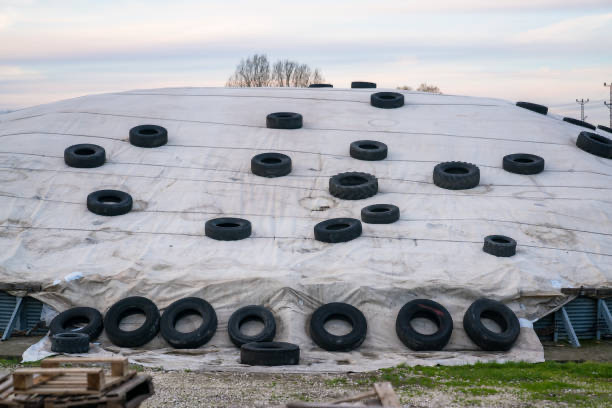
Silage Covers: Innovative Solutions for Sustainable Farming
Sustainable farming has become a priority for modern farmers in Australia looking to reduce environmental impact while maintaining productivity. One of the most effective ways to achieve this is by protecting livestock feed with silage covers. Silage, a vital source of nutrition for cattle, sheep, and other farm animals, is prone to spoilage due to exposure to air, moisture, pests, and UV rays. By using innovative silage covers, farmers can minimize feed loss, preserve nutrients, and contribute to more sustainable farming practices.
The Role of Silage Covers in Sustainable Farming
Silage covers are protective materials designed to shield silage piles or bunkers from environmental factors that cause deterioration. When silage is left uncovered, it is susceptible to spoilage, which not only reduces feed quality but also contributes to waste. Wasted silage is an inefficient use of resources such as water, fertilizer, and labor that were invested in its production. By properly covering silage, farmers can reduce waste, maintain feed quality, and ensure that their operations are environmentally and economically sustainable.
How Silage Covers Reduce Environmental Impact
- Minimizing Feed Waste
Spoiled silage represents a significant loss of both money and resources. High-quality silage covers prevent oxygen and moisture from reaching the feed, slowing down spoilage. Reduced spoilage means less wasted feed and a smaller environmental footprint from producing replacement silage.
- Reducing Greenhouse Gas Emissions
When silage spoils, it can release methane and other greenhouse gases during decomposition. Using silage covers to maintain anaerobic conditions reduces the formation of harmful gases, contributing to a more climate-friendly farming approach.
- Conserving Resources
Producing silage requires water, energy, and fertilizers. Every ton of silage lost due to spoilage represents wasted resources. Protecting silage with covers maximizes the return on these inputs, making farming operations more efficient and sustainable.
Innovative Silage Cover Solutions
Modern silage covers are designed with advanced materials and technologies to provide better protection and durability. Some innovations include:
- UV-Resistant Covers: These prevent sun damage and extend the lifespan of silage, maintaining nutrient levels and reducing waste.
- Multi-Layer Films: Multi-layer silage films create a tighter barrier against air and moisture, enhancing preservation and reducing spoilage.
- Biodegradable Options: Eco-friendly silage covers are now available that decompose naturally after use, reducing plastic waste on farms.
- Heavy-Duty, Tear-Resistant Covers: These are designed to withstand harsh weather conditions and minimize damage from wind or handling.
Best Practices for Using Silage Covers
- Proper Installation
Correct installation is key to maximizing the effectiveness of silage covers. Ensure covers are stretched tightly over the silage pile, with edges secured using sandbags, tires, or other weights. This prevents air and water from entering and protects the silage from pests.
- Regular Inspection and Maintenance
Even high-quality covers need periodic inspection. Check for tears, holes, or displaced sections, and repair any damage promptly to prevent spoilage.
- Combine with Sustainable Management Techniques
Use silage covers alongside proper harvesting, chopping, and packing methods to maintain anaerobic conditions. Combining these practices ensures optimal feed preservation while reducing environmental impact.
- Recycling and Disposal
If using non-biodegradable covers, consider recycling them where possible. Many suppliers offer programs to collect and recycle used silage films, reducing waste and supporting circular farming practices.
Benefits of Silage Covers for Sustainable Farming
- Enhanced Feed Efficiency: Preserved silage maintains its nutritional value, ensuring livestock receive high-quality feed and reducing the need for additional supplements.
- Cost Savings: Reduced spoilage means lower replacement costs and less waste of resources used in silage production.
- Environmental Responsibility: Minimizing waste and greenhouse gas emissions aligns with sustainable agriculture goals.
- Labor Efficiency: Well-protected silage requires less monitoring and maintenance, freeing up time for other farm tasks.
Conclusion
Innovative silage covers are a cornerstone of sustainable farming. They protect valuable livestock feed from spoilage, reduce waste, conserve resources, and help minimize environmental impact. By investing in quality covers and following best practices for installation and maintenance, farmers can maximize silage longevity and nutrient retention.
Incorporating silage covers into farm management not only supports sustainable practices but also enhances productivity and profitability. Modern farming requires balancing efficiency with environmental responsibility, and using silage covers effectively is a simple yet powerful solution to achieve this balance. For any farm committed to sustainability, investing in high-quality, innovative silage covers is a step toward a more resilient and environmentally conscious operation.


You May Also Like