Bale Wrap: A Comprehensive Guide for Australian Farmers
In Australia’s vast agricultural landscape, the preservation of forage is crucial for livestock health and farm profitability. One effective solution that has gained popularity among Australian farmers is bale wrap. For more information about the cost-effective bale wrap, click here.
What is Bale Wrap?
 Bale wrap is a type of plastic film used to preserve and protect round bales of hay, silage, or straw. It is designed to create an airtight seal that prevents moisture from entering and spoiling the contents.
The Importance of Bale Wrap in Australia
Moisture Control
Australia’s climate presents unique challenges for farmers. With dry spells followed by heavy rains, maintaining the quality of stored feed is paramount. Bale wrap acts as a moisture barrier, protecting bales from rain, dew, and humidity. It is especially important during the wet season when the risk of spoilage is high. By using high-quality bale wrap, farmers can significantly reduce the chances of mould growth and nutrient loss.
Enhanced Nutrient Retention
Properly wrapped bales can maintain their nutritional value for extended periods. The airtight seal created by bale wrap minimises oxygen exposure, which is crucial for preventing the degradation of essential nutrients. For farmers in Australia, this means their livestock receive high-quality forage, promoting better health and productivity.
Cost-Effectiveness
Investing in bale wrap can lead to substantial savings over time. By preserving forage more effectively, farmers can reduce feed wastage and ensure their livestock have access to adequate nutrition, especially during droughts or feed shortages. Additionally, well-preserved bales can command higher prices in the market, making bale wrap a wise financial decision.
Ease of Handling and Storage
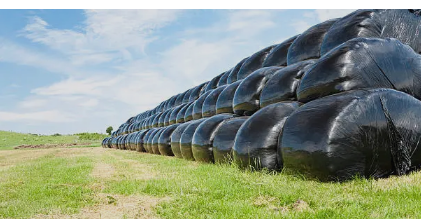
Bale wrap is lightweight and easy to handle, making it a practical choice for farmers. Wrapped bales can be easily stacked and transported without the risk of damage, which is especially beneficial for large operations where efficiency is critical.
Versatility
Bale wrap is not limited to hay and silage; it can also be used for various types of forage. Whether you are wrapping alfalfa, ryegrass, or even byproducts like sugar cane tops, bale wrap offers versatility to cater to different farming needs. This adaptability makes it an essential tool for diverse agricultural practices across Australia.
Choosing the Right Bale Wrap
When selecting bale wrap, several factors must be considered to ensure optimal performance:
Thickness and Strength
Bale wrap comes in different thicknesses and strengths. Thicker films are generally more durable and resistant to tearing. In regions with rough terrain or heavy winds, opting for a more substantial wrap can provide better protection for your bales.
UV Resistance
Australia’s intense sun can degrade low-quality plastic films over time. Look for bale wrap designed explicitly with UV inhibitors to ensure longevity and effectiveness. High-quality UV-resistant films can last through multiple seasons without losing their protective properties.
Width and Length
Bale wrap is available in various widths and lengths to accommodate different bale sizes. Ensure you choose a wrap that fits your specific bale dimensions to maximise coverage and effectiveness.
Best Practices for Using Bale Wrap
To maximise the benefits of bale wrap, consider the following best practices:
Proper Wrapping Technique
Ensure that the bale is wrapped tightly to create an airtight seal. Overlapping the layers of wrap is essential to prevent air pockets, which can lead to spoilage.
Store Bales in a Dry Area
While bale wrap protects against moisture, it is advisable to store wrapped bales in a dry area, such as a barn or shed, to minimise exposure to extreme weather conditions.
Regular Inspection
Periodically inspect wrapped bales for signs of damage or deterioration. Addressing issues promptly can prevent more significant problems.
Conclusion:
In the ever-evolving world of Australian agriculture, bale wrap stands out as a crucial innovation for farmers looking to preserve the quality of their forage. With its moisture control capabilities, nutrient retention, and cost-effectiveness, bale wrap not only protects livestock health but also enhances farm profitability. By understanding the importance of bale wrap and following best practices, Australian farmers can ensure their operations remain productive and sustainable.