Dental Braces Adelaide- The Environmental Impact of Braces Materials and How Clinics Are Going Green
When people think about orthodontics, their minds often go straight to straighter teeth and brighter smiles. However, what’s less discussed is the environmental impact of brace materials and how modern clinics are working to minimise waste. In recent years, dental braces Adelaide practices have begun embracing eco-friendly approaches, ensuring that patient care goes hand in hand with sustainability.
The Hidden Environmental Cost of Braces Materials
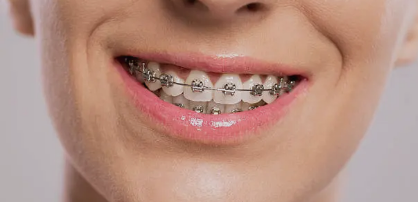
Traditional braces are composed of several materials, including stainless steel brackets, nickel-titanium wires, and elastomeric bands. While these components are essential for effective treatment, they carry an environmental footprint. Metals require energy-intensive mining and processing, and the elastic bands are petroleum-based plastics that are discarded after each appointment.
On a larger scale, this creates significant dental waste that must be responsibly managed.
Even packaging plays a role. Many orthodontic products arrive individually wrapped in single-use plastics for sterilisation, which, while crucial for hygiene, increases landfill contributions. Recognising these issues, clinics across Adelaide have begun questioning how orthodontics can evolve into a more sustainable industry.
How Adelaide Clinics Are Embracing Sustainable Practices
Sustainability in orthodontics doesn’t mean compromising patient outcomes. Many forward-thinking clinics in Adelaide are adopting greener methods that focus on reducing waste and conserving resources. Some of these initiatives include:
Digital Impressions: Instead of using traditional alginate moulds, clinics now rely on digital scanning technology. It reduces disposable impression materials, eliminates plastic trays, and lowers shipping needs by sending files electronically.
Recycling Programs: Metal brackets and wires that are removed during treatment are often sent to specialised recycling facilities, preventing them from becoming landfill waste.
Eco-Friendly Packaging: Some suppliers now offer biodegradable or recyclable packaging for orthodontic tools and accessories, further reducing plastic use.
Energy-Efficient Clinics: Many practices are investing in solar panels, LED lighting, and energy-efficient equipment, reducing their overall carbon footprint while delivering high-quality care.
By integrating these changes, dental braces Adelaide clinics are not only helping the environment but also setting a benchmark for responsible healthcare.
The Role of Clear Aligners in Sustainability
Clear aligners, an increasingly popular alternative to metal braces, present their own environmental challenges. Each set is made of medical-grade plastic, and patients typically go through dozens of aligners during treatment. While convenient, the waste from discarded aligners cannot be ignored.
To combat this, some Adelaide providers are now working with recycling partners that specialise in processing medical plastics. Patients can return their used aligners for responsible recycling, reducing landfill pressure. Additionally, digital planning software used for aligners reduces the need for physical models and moulds, saving materials from the start.
This balance between patient demand for discreet orthodontic solutions and the need for environmental accountability is pushing innovation within Adelaide’s orthodontic industry.
How Patients Can Support Eco-Friendly Orthodontics
While much of the responsibility lies with clinics, patients also play an important role. Choosing a practice that prioritises sustainable practices is the first step. Beyond that, patients can:
Follow Care Instructions Properly: Extending the life of wires, brackets, and aligners reduces the need for unnecessary replacements.
Return Materials for Recycling: If offered, patients are encouraged to participate in recycling programs for metals and plastics.
Reduce Travel Emissions: Scheduling appointments efficiently and using public transport when possible helps minimise the carbon footprint associated with orthodontic care.
Patients who actively engage in eco-friendly orthodontic practices contribute to the broader success of sustainable initiatives across Adelaide.
The Future of Green Orthodontics in Adelaide
The orthodontic industry is evolving, and Adelaide is at the forefront of this change. As technology advances, clinics are likely to adopt even more sustainable methods, such as biodegradable elastics, 3D-printed brackets made with eco-conscious materials, and expanded recycling systems. Education will also play a central role—patients are more likely to support eco-friendly initiatives if they understand their importance.
Ultimately, the future of orthodontics is not just about perfecting smiles but also about protecting the planet. By aligning healthcare with sustainability, dental clinics in Adelaide are demonstrating that responsible dentistry is both achievable and beneficial to the broader community.
Final Thoughts
Braces and orthodontic treatments will always have an environmental impact, but the way clinics handle materials, waste, and energy use makes a significant difference. Adelaide is setting an example by investing in eco-conscious technology and encouraging patients to be active participants in sustainable healthcare.
As awareness grows, more clinics will follow suit, ensuring that every beautiful smile comes with a lighter ecological footprint. The shift toward greener orthodontics is a testament to Adelaide’s commitment to both oral health and environmental responsibility.