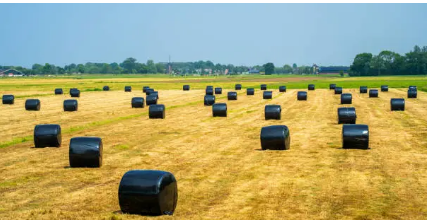
Bale Wrap Usage Guide’ Complete Australian Farmer’s Manual for Silage Protection and Storage Efficiency
For Australian livestock producers and hay contractors, effective fodder preservation is essential to maintaining feed quality through long dry seasons and unpredictable rainfall patterns. Proper use of bale wrap is critical for protecting silage and hay bales from oxygen, moisture, and UV exposure. When applied correctly, bale wrapping improves feed value, reduces spoilage, and supports more efficient on-farm logistics.
This bale wrap usage guide is designed specifically for Australian conditions, where high heat, coastal humidity, and inland dryness all influence storage outcomes. Whether you’re operating in Queensland’s dairy regions or the grain belts of Western Australia, understanding correct wrapping techniques can significantly improve profitability and reduce wastage.
Understanding Bale Wrap and Its Role in Silage Preservation
At its core, bale wrap is a stretch film—typically polyethylene-based—used to seal round or square bales of forage. Once tightly wrapped, the bale undergoes anaerobic fermentation, producing silage that preserves nutrients for livestock consumption.
Modern farming equipment from manufacturers like John Deere, CLAAS, and New Holland Agriculture has made baling and wrapping more efficient through integrated baler-wrapper systems. These machines ensure consistent density and precise layering, which are essential for high-quality fermentation.
In Australia, where feed security is a constant concern, bale wrapping is not just a convenience—it is a risk management strategy that protects against drought-driven feed shortages.
Choosing the Right Bale Wrap for Australian Conditions
Selecting the correct film is one of the most overlooked steps in the wrapping process.
Australian farms require bale wrap that can withstand:
● High UV exposure
● Temperature fluctuations
● Long outdoor storage periods
● Rough handling during transport
A high-quality bale wrap should have strong puncture resistance, high cling properties, and uniform thickness. Multi-layer stretch films are generally preferred because they offer better oxygen barrier performance.
Suppliers such as Elders Limited provide access to agricultural wraps tailored for local conditions, ensuring farmers get materials suited to regional climate stressors.
Correct Bale Wrapping Technique for Maximum Efficiency
Proper application technique is just as important as the material itself. A poorly wrapped bale can lead to spoilage, even with premium film.
To optimise performance:
1. Maintain consistent bale density during baling.
2. Begin wrapping immediately after baling to preserve moisture.
3. Apply 6–8 layers of bale wrap for silage intended for long-term storage.
4. Ensure 50% film overlap for airtight sealing.
5. Avoid wrapping in dusty or extremely windy conditions.
In Australia’s hotter regions, increasing wrap layers may be necessary to prevent UV degradation and oxygen penetration. The goal is to create a completely sealed anaerobic environment that supports controlled fermentation.
Common Mistakes Farmers Make When Using Bale Wrap
Even experienced operators can make errors that compromise feed quality. The most common issues include:
● Wrapping bales that are too dry or too wet
● Using insufficient film layers
● Allowing punctures from handling equipment
● Delaying wrapping after baling
When bale wrap is applied improperly, oxygen enters the bale, triggering mould growth and leading to significant nutrient loss. This is particularly problematic in humid coastal regions of Australia where spoilage accelerates rapidly.
Modern bale handling systems from CLAAS and John Deere help reduce handling damage, but operator discipline remains the most important factor.
Storage and Handling Best Practices in Australian Farms
Once wrapped, proper storage conditions determine long-term feed quality. Even the best bale wrap cannot compensate for poor storage practices.
Key recommendations include:
● Store bales on well-drained ground or gravel pads
● Avoid direct sunlight exposure where possible
● Stack bales carefully to prevent puncturing
● Monitor for rodent or bird damage
● Rotate stock using “first in, first out” principles
In regions prone to heavy rainfall, elevating bales slightly using pallets or rubble can reduce bottom-side moisture damage.
Environmental Considerations and Recycling of Bale Wrap
Sustainability is becoming increasingly important in Australian agriculture. Used bale wrap is a significant source of farm plastic waste, but recycling programs are expanding.
Farmers are encouraged to:
● Collect and store used film separately
● Remove contamination such as soil and feed residues
● Participate in agricultural plastics recycling programs
● Reduce film usage by optimising wrapping efficiency
Advancements in biodegradable films are also being explored, although traditional bale wrap remains the industry standard due to its durability and cost-effectiveness.
Conclusion: Improving Farm Productivity Through Better Bale Wrapping Practices
For Australian farmers, mastering bale wrapping is a direct pathway to improved feed security, reduced wastage, and higher operational efficiency. When applied correctly, bale wrap preserves nutritional value and ensures livestock have year-round, consistent access to high-quality forage.
By selecting the right materials, using modern equipment from brands like New Holland Agriculture, and following proper handling techniques, farmers can significantly reduce spoilage risks. Combined with responsible storage and recycling practices, bale wrapping becomes not just a preservation method—but a key component of sustainable Australian farming systems.