CCL Tear In Dogs: The Critical Role of Veterinary Care
A Cranial Cruciate Ligament (CCL) tear in dogs is one of the most common orthopedic injuries affecting our canine companions. This injury, which is akin to the anterior cruciate ligament (ACL) tear in humans, can lead to significant pain, lameness, and long-term joint damage if not properly managed. Given the complexities involved in the diagnosis, treatment, and rehabilitation of a Canine PT and Me CCL tear in dogs in Portland, veterinary care is critical to ensure the best possible outcome.
Understanding CCL Tears in Dogs
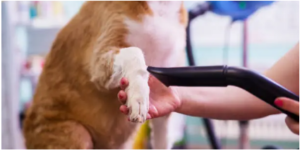 The CCL is a key ligament located in a dog’s knee (stifle) joint. It plays a vital role in stabilising the joint, preventing the tibia (shinbone) from sliding forward relative to the femur (thighbone). A CCL tear in dogs can occur due to various factors, including acute injury, chronic degeneration, obesity, or even certain genetic predispositions.
When a dog experiences a CCL tear, the immediate symptoms often include sudden lameness, difficulty bearing weight on the affected leg, swelling around the knee joint, and a noticeable decrease in activity levels. Without proper veterinary intervention, these symptoms can worsen, leading to secondary conditions such as arthritis, chronic pain, and loss of function in the affected limb.
The Importance of Early Veterinary Diagnosis
Early diagnosis is crucial in managing a CCL tear in dogs. Veterinarians are trained to perform a thorough physical examination, which may include palpation of the knee joint, manipulation tests (such as the “drawer sign”), and diagnostic imaging like X-rays or ultrasound to confirm the extent of the injury.
An accurate diagnosis allows for the development of a tailored treatment plan that considers the dog’s age, size, activity level, and the severity of the tear. Early veterinary intervention also reduces the risk of secondary complications, as prompt treatment can prevent further joint damage and slow the progression of degenerative changes.
Treatment Options and the Role of Veterinary Care
The treatment for a Canine PT and Me CCL tear in dogs varies depending on the severity of the injury and the individual dog’s needs. While some minor tears might respond to conservative management, including rest, anti-inflammatory medications, and physical therapy, more severe tears typically require surgical intervention.
Surgical Treatment: There are several surgical techniques available for treating CCL tears in dogs, including:
- Tibial Plateau Leveling Osteotomy (TPLO): This procedure alters the dynamics of the knee joint, reducing the need for the CCL and stabilising the joint.
- Tibial Tuberosity Advancement (TTA): Similar to TPLO, TTA changes the angle of the knee to prevent instability without relying on the CCL.
- Lateral Suture Technique (Extracapsular Repair): This method involves placing a suture outside the joint to mimic the function of the CCL and stabilise the knee.
Veterinary care plays an indispensable role in determining the most appropriate surgical option for each dog. The veterinarian’s expertise ensures that the chosen procedure aligns with the dog’s specific condition, leading to better outcomes and a reduced risk of complications.
Post-Surgical Care and Rehabilitation
The role of veterinary care doesn’t end with surgery. Post-operative care and rehabilitation are just as crucial in the recovery process. Veterinarians provide detailed guidelines on activity restriction, pain management, and physical therapy exercises that help restore strength and mobility to the affected leg.
Rehabilitation may include controlled leash walks, hydrotherapy, and specific exercises designed to improve muscle tone and joint function. Veterinary supervision during this phase is essential to monitor the dog’s progress, adjust the treatment plan as needed, and ensure that the healing process is on track.
Long-Term Management and Monitoring
Even after a successful recovery, dogs who have experienced a CCL tear require ongoing veterinary monitoring. Regular check-ups significantly allow the veterinarian to assess the integrity of the repaired joint and detect any early signs of arthritis or other complications. Additionally, veterinarians can provide guidance on weight management, joint supplements, and lifestyle modifications that help prevent future injuries.
The long-term management of a CCL tear in dogs is a collaborative effort between the veterinarian and the pet owner. By following the veterinarian’s advice, dog owners can significantly improve their pet’s quality of life, ensuring that they remain active and pain-free for years to come.
Conclusion
The critical role of veterinary care in managing Canine PT and Me CCL tear in dogs in Portland cannot be overstated. From early diagnosis to treatment, surgery, and rehabilitation, a veterinarian’s expertise is essential in guiding every step of the recovery process. Without professional intervention, a CCL tear in dogs can seriously lead to chronic pain, decreased mobility, and a diminished quality of life.