Rubbish Dump Adelaide: The State of Rubbish Dumps in Adelaide
Adelaide, the picturesque capital of South Australia, is renowned for its vibrant festivals, lush parklands, and pristine beaches. However, beneath this beauty lies a pressing issue: waste management. The city’s rubbish dumps play a crucial role in maintaining its cleanliness and environmental health, but they also present challenges, particularly regarding rubbish dump cost and sustainability.
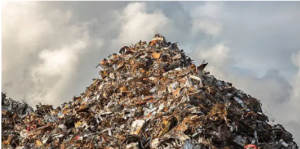 Understanding Rubbish Dumps in Adelaide
Rubbish dumps, also known as landfills, are designated areas where waste is isolated from the environment until it is safe. Adelaide’s primary rubbish dumps are located in areas like Wingfield, Uleybury, and McLaren Vale, serving both residential and commercial waste needs. These sites are essential for managing the waste produced by Adelaide’s population, which is over 1.3 million.
The Cost of Rubbish Dumps
The term ‘rubbish dump cost’ encompasses various expenses, from operational to environmental. In Adelaide, the cost of using rubbish dumps varies based on the type and amount of waste. Households and businesses are often charged fees based on weight, volume, and waste category. For instance, general waste disposal costs differ from those of green waste or hazardous materials.
Operational costs are substantial. They include the expenses for land acquisition, site preparation, daily operations, and long-term maintenance. Furthermore, there are costs associated with meeting stringent environmental regulations, such as those related to leachate management, methane capture, and groundwater protection. These measures are vital to prevent contamination and mitigate the environmental impact of waste disposal.
Environmental costs are significant and often harder to quantify. Rubbish dumps contribute to pollution and greenhouse gas emissions. Methane, a potent greenhouse gas released from decomposing organic waste, significantly impacts climate change. Additionally, if not managed properly, rubbish dumps can leach harmful substances into the soil and groundwater, posing risks to public health and ecosystems.
The Challenge of Waste Volume
The volume of waste generated in Adelaide is growing, driven by population growth and consumption patterns. The average Adelaide household generates around 1.2 tonnes of waste annually. This increase places immense pressure on rubbish dumps, necessitating expansions and new facilities. However, finding suitable locations for new dumps is increasingly challenging due to urban sprawl and environmental concerns.
Innovations in Waste Management
To address these challenges, Adelaide has implemented several innovative waste management strategies. One key approach is waste diversion, which aims to reduce the amount of waste sent to rubbish dumps. Recycling programs have been expanded, with residents encouraged to separate recyclables from general waste. Organic waste recycling is also promoted through initiatives like green bins for garden waste and food scraps.
The Role of Transfer Stations
Transfer stations play a crucial role in Adelaide’s waste management system. These facilities act as intermediate sites where waste is temporarily held before being transported to rubbish dumps. Transfer stations help streamline waste collection, reduce transportation costs, and minimise the environmental impact of long-distance waste hauling.
Adelaide has several well-managed transfer stations, providing residents with convenient drop-off points for various types of waste. These stations often include recycling facilities, making it easier for the public to dispose of waste responsibly.
Public Participation and Education
Effective waste management requires active public participation. Adelaide has invested in education campaigns to raise awareness about the importance of reducing, reusing, and recycling. Schools, community groups, and businesses are engaged through workshops, informational materials, and incentives to encourage environmentally responsible behaviour.
Looking Ahead: The Future of Rubbish Dumps in Adelaide
The future of rubbish dumps in Adelaide depends on the city’s ability to balance waste generation with sustainable practices. Advancements in waste-to-energy technologies offer promising solutions. These technologies convert waste into energy, reducing the volume of waste sent to dumps and generating renewable energy.
Policy measures are also crucial. The South Australian government’s waste strategy focuses on achieving zero waste to landfill by 2040. This ambitious goal requires continuous innovation, investment in sustainable infrastructure, and strong community engagement.
Conclusion
Rubbish dumps in Adelaide are an integral part of the city’s waste management system, but they come with significant costs and environmental challenges. By understanding the intricacies of ‘rubbish dump cost’ and actively seeking sustainable solutions, Adelaide can maintain its reputation as a clean, green, and liveable city. Through innovation, public participation, and a commitment to sustainability, Adelaide is poised to tackle its waste challenges and protect its natural beauty for future generations.