Silage Wrap: Enhancing Agricultural Efficiency in Australia
Silage wrap plays a pivotal role in modern agriculture, particularly in Australia, where livestock farming is a cornerstone of the economy. This article explores the significance of silage wrap, its benefits, usage, and its impact on agricultural efficiency across the country. For an organic silage wrap, click here.
Understanding Silage Wrap
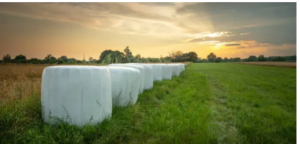 Silage wrap is a specialised agricultural plastic film used to protect and preserve silage, a crucial feed for livestock. Silage itself is a fermented forage crop stored in airtight conditions, commonly made from grass, maize, or other crops. The silage wrap ensures that the stored forage remains intact, preserving its nutritional value and preventing spoilage.
Benefits of Silage Wrap
- Preservation of Nutritional Quality: Silage wrap creates an anaerobic environment that halts the growth of harmful bacteria and fungi, preserving the forage’s nutritional quality.
- Extended Storage Period: Sillage wrap creates a barrier against air and moisture, enabling farmers to store hay for extended periods without deterioration.
- Flexibility in Harvest Timing: Farmers can harvest crops at optimal times without being constrained by weather conditions, as silage wrap allows forage to be stored safely until needed.
Usage of Silage Wrap in Australia
In Australia, silage wrap is extensively used across various regions, especially in the dairy and beef farming sectors. Farmers rely on it to ensure a stable and consistent supply of high-quality feed for their livestock throughout the year. Australia’s climatic diversity makes silage wrap particularly valuable, as it mitigates the risks associated with weather fluctuations.
Environmental Considerations
While silage wrap offers significant benefits to farmers, its environmental impact is a topic of concern. The plastic film used in silage wrap, typically made from polyethylene, poses challenges in terms of disposal and recycling. However, advancements are being made in developing biodegradable alternatives to mitigate these concerns. For an organic silage wrap, click here.
Technological Advancements
Recent advancements in silage wrap technology have focused on improving efficiency and reducing environmental impact. Innovations include:
- Thinner Films: New formulations of silage wrap use thinner films while maintaining strength and durability, reducing plastic usage.
- UV Stabilisation: Enhanced UV stabilisation additives prolong the life of silage wrap, ensuring it remains effective under harsh Australian sunlight.
- Recycling Initiatives: Some manufacturers are investing in recycling programs to collect and recycle used silage wrap, addressing environmental sustainability concerns.
Economic Impact
The economic benefits of silage wrap in Australia are substantial. It allows farmers to increase their productivity by reducing feed losses and ensuring a consistent supply of high-quality feed. This efficiency contributes to overall farm profitability and sustainability.
Future Outlook
Looking ahead, the future of silage wrap in Australia is likely to involve continued innovation towards sustainability. It includes further development of biodegradable materials and improved recycling processes. Government policies and industry initiatives will also play a crucial role in promoting responsible use and disposal practices.
Silage Wrap: A Key Component of Modern Australian Farming
Silage wrap remains a vital component of modern Australian farming practices, revolutionising how farmers preserve and utilise forage crops. Its ability to create a controlled, anaerobic environment ensures that harvested crops maintain their nutritional integrity over extended periods. It is particularly advantageous in Australia’s diverse climate, where weather unpredictability can impact traditional harvesting methods.
The widespread adoption of silage wrap in dairy and beef farming reflects its importance in ensuring a stable and reliable feed supply year-round. Despite environmental concerns regarding its plastic composition, ongoing innovations in materials and recycling initiatives aim to mitigate these issues. For an organic silage wrap, click here.
The future of silage wrap in Australia hinges on continued advancements in sustainability and efficiency, which will support both agricultural productivity and environmental stewardship.
As farmers continue to embrace technological advancements and best practices, silage wrap remains a testament to the industry’s adaptability and commitment to meeting the challenges of modern agriculture.
Conclusion:
Silage wrap is a cornerstone technology in modern Australian agriculture, providing farmers with the means to efficiently preserve and utilise forage crops. While offering significant benefits in terms of feed preservation and farm productivity, it also presents challenges in terms of environmental impact. As technology evolves, so too will the methods and materials used in silage wrap, ensuring that it continues to support sustainable agricultural practices in Australia.