Pallet Freezer Spacers’ Maximizing Cold Storage Efficiency for Australian Businesses
Efficient cold storage is crucial for Australian businesses handling perishable goods, and pallet freezer spacers play a key role in achieving this. These simple yet highly effective tools help maintain optimal airflow in freezers, ensuring that frozen products remain safe, high-quality, and compliant with food safety regulations. Whether in Sydney’s seafood markets, Melbourne’s fresh produce distribution centres, or Brisbane’s frozen food warehouses, pallet freezer spacers are essential for preventing product damage, improving storage capacity, and reducing energy costs.
What Are Pallet Freezer Spacers?
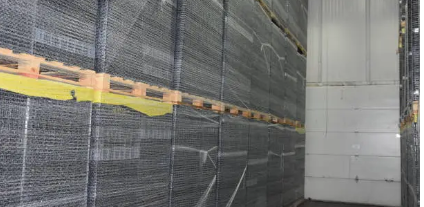
Pallet freezer spacers are inserts placed between pallets in a freezer to create uniform gaps. This spacing allows cold air to circulate evenly around all products, maintaining consistent temperatures throughout the storage area. Without these spacers, stacked pallets can block airflow, leading to uneven freezing and a higher risk of spoilage. For Australian businesses managing frozen meat, seafood, dairy, or vegetables, pallet freezer spacers are a practical solution for maintaining product quality and extending shelf life.
Benefits of Using Pallet Freezer Spacers in Australia
1. Improved Air Circulation
In large-scale cold storage facilities, airflow is critical. Australian warehouses often handle high-volume shipments, and poor airflow can lead to hot spots and uneven freezing. By creating precise gaps between pallets, pallet freezer spacers allow cold air to reach every layer, ensuring that all products remain uniformly frozen. This is particularly important for seafood exporters in Sydney or frozen vegetable distributors in Melbourne, where quality control is strictly monitored.
2. Reduced Energy Costs
Freezers in commercial facilities consume significant amounts of energy. When airflow is restricted, freezers must work harder to maintain target temperatures, driving up electricity costs. Pallet freezer spacers help optimise air distribution, allowing freezers to operate efficiently. For Australian businesses mindful of rising energy prices, this small investment can translate into considerable savings over time.
3. Minimising Product Damage
Stacking pallets directly on top of each other without spacers can cause crushed or deformed products, especially for delicate items such as frozen fish fillets, berries, or bakery products. Pallet freezer spacers prevent direct pallet contact, reducing the risk of damage and wastage. This benefit is critical for Australian retailers and wholesalers who need to maintain both product appearance and quality to meet customer expectations.
4. Compliance with Food Safety Standards
Australia has strict regulations governing the storage of perishable goods. Organisations such as Food Standards Australia New Zealand (FSANZ) require proper temperature control and hygiene practices in commercial freezers. Using pallet freezer spacers ensures proper airflow and reduces the risk of temperature fluctuations, helping businesses remain compliant with food safety guidelines.
Choosing the Right Pallet Freezer Spacers
When selecting pallet freezer spacers for Australian operations, businesses should consider durability, material, and design. High-density polyethylene (HDPE) spacers are common due to their strength, resistance to cold temperatures, and easy cleaning. Spacers should also be compatible with standard pallet sizes used in Australia, typically 1165mm x 1165mm or 1200mm x 1000mm. Investing in quality spacers reduces long-term replacement costs and ensures consistent performance in demanding cold storage environments.
Applications Across Australian Industries
Pallet freezer spacers are versatile and used in various sectors, including:
● Seafood Industry: Sydney, Hobart, and Cairns exporters rely on spacers to maintain consistent freezing for products like prawns, fish, and scallops.
● Agriculture and Fresh Produce: Melbourne and Adelaide frozen-fruit-and-vegetable suppliers use spacers to preserve texture, flavour, and nutritional value.
● Retail and Wholesale: Supermarkets and food distributors across Brisbane and Perth implement spacers to streamline storage while ensuring customer-ready products.
● Food Manufacturing: Frozen ready-to-eat meals, bakery items, and meat processing plants throughout Australia benefit from improved airflow and reduced energy costs.
Tips for Optimising Cold Storage with Pallet Freezer Spacers
1. Regularly Inspect Spacers: Check for cracks or wear that could compromise spacing.
2. Standardise Pallet Stacking: Maintain consistent pallet alignment to maximise airflow.
3. Monitor Freezer Temperatures: Use digital sensors to ensure spacers achieve uniform cold distribution.
4. Train Staff: Proper handling and stacking practices improve the efficiency and lifespan of spacers.
Conclusion
For Australian businesses managing perishable goods, pallet freezer spacers are more than just simple inserts—they are a strategic investment in product quality, operational efficiency, and energy savings. From protecting delicate seafood in Sydney to preserving frozen vegetables in Melbourne, these spacers ensure that cold storage facilities operate at peak performance while complying with national food safety standards. Adopting pallet freezer spacers is a practical, cost-effective way for Australian businesses to optimise their freezers, reduce waste, and improve overall logistics efficiency.