Reverse Cycle Air Conditioning: Exploring the Benefits and Costs of Reverse Cycle Air Conditioning
In the quest for year-round comfort, reverse cycle air conditioning emerges as a versatile and cost-effective solution, capable of providing both heating and cooling functionalities in a single system. Whether battling the sweltering heat of summer or braving the chill of winter, reverse cycle air conditioning offers unparalleled convenience and efficiency, making it a popular choice for residential and commercial applications alike. In this article, we delve into the mechanics, benefits, and reverse cycle air conditioning prices, shedding light on why it’s a game-changer for climate control.
Understanding Reverse Cycle Air Conditioning
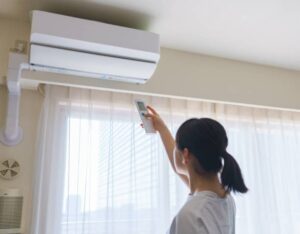 Reverse cycle air conditioning, also known as heat pumps, operates on the principle of extracting heat from one environment and transferring it to another. During the summer months, the system acts as a traditional air conditioner, extracting heat from indoor spaces and expelling it outside, thus cooling the air inside. In winter, the process is reversed, with the system absorbing heat from outdoor air and transferring it indoors to provide warmth. This versatile operation ensures year-round comfort, regardless of external weather conditions.
Benefits of Reverse Cycle Air Conditioning
- All-Season Comfort: The ability to provide both heating and cooling makes reverse cycle air conditioning a versatile solution for year-round comfort. Instead of investing in separate heating and cooling systems, homeowners and businesses can rely on a single, integrated solution to maintain optimal indoor temperatures throughout the year.
- Energy Efficiency: Compared to traditional heating methods such as electric resistance heaters or gas furnaces, reverse cycle air conditioning is significantly more energy-efficient. By leveraging the heat transfer process rather than generating heat through combustion, heat pumps can deliver more heat energy for each unit of electricity consumed, resulting in lower energy bills and reduced environmental impact.
- Consistent Temperature Control: Reverse cycle air conditioning systems offer precise temperature control, ensuring a comfortable indoor environment regardless of external weather fluctuations. Advanced features such as programmable thermostats and zoning capabilities allow users to customize settings based on occupancy patterns and preferences, maximizing comfort and efficiency.
- Improved Indoor Air Quality: Many reverse cycle air conditioning units are equipped with built-in air filtration systems, which help remove airborne pollutants, allergens, and contaminants from indoor air. This not only enhances comfort but also promotes better respiratory health for occupants, particularly those with allergies or respiratory conditions.
Factors Influencing Reverse Cycle Air Conditioning Prices
- System Capacity and Size: The size and capacity of the reverse cycle air conditioning system directly impact its price. Larger units capable of heating and cooling larger spaces will generally cost more than smaller units designed for smaller areas.
- Energy Efficiency Rating: Higher energy efficiency ratings, such as a higher Seasonal Energy Efficiency Ratio (SEER) or Coefficient of Performance (COP), often correspond to higher upfront costs. However, investing in a more energy-efficient system can lead to long-term savings on energy bills.
- Installation Complexity: The complexity of installation, including factors such as ductwork requirements, site preparation, and labor costs, can influence the overall price of a reverse cycle air conditioning system. Custom installations or retrofitting existing structures may incur additional expenses.
- Additional Features and Accessories: Optional features and accessories, such as programmable thermostats, smart controls, air purification systems, and zoning capabilities, can add to the overall cost of the system. However, these features may enhance comfort, convenience, and performance.
Conclusion
Reverse cycle air conditioning offers a comprehensive solution for year-round comfort, combining heating and cooling functionalities in a single, energy-efficient system. With benefits such as all-season comfort, energy efficiency, precise temperature control, and improved indoor air quality, reverse cycle air conditioning is a compelling choice for residential and commercial applications alike. While the reverse cycle air conditioning prices upfront may vary depending on factors such as system capacity, energy efficiency, installation complexity, and additional features, the long-term savings and comfort provided by reverse cycle air conditioning justify the investment. By embracing this versatile climate control solution, homeowners and businesses can enjoy optimal comfort and efficiency throughout the year, regardless of external weather conditions.