Gardening Adelaide: A Comprehensive Guide to Thriving Gardens
Gardening in Adelaide offers a unique blend of challenges and rewards, thanks to its Mediterranean climate, diverse soil types, and distinctive plant varieties. Whether you are a seasoned gardener or a beginner, understanding the specific needs and conditions of Adelaide can help you cultivate a flourishing garden year-round. For a gardening expert, check this out.
Understanding Adelaide’s Climate
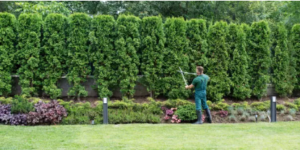 Adelaide’s climate is characterised by hot, dry summers and mild, wet winters. This Mediterranean climate requires gardeners to be mindful of water conservation and plant selection to ensure a thriving garden. The average annual rainfall is around 550mm, predominantly falling between May and September, making irrigation and drought-resistant plants crucial during the hotter months.
Choosing the Right Plants
Selecting plants suited to Adelaide’s climate is essential for successful gardening. Native Australian plants, such as Kangaroo Paw, Bottlebrush, and Grevillea, are excellent choices as they are adapted to the local conditions and require less water. Additionally, Mediterranean herbs like rosemary, lavender, and thyme thrive in the region’s climate.
For vegetable gardening, consider planting varieties that can withstand the heat and occasional drought. Tomatoes, capsicums, eggplants, and zucchinis are summer staples, while winter gardens can flourish with broccoli, kale, carrots, and leafy greens.
Soil Preparation and Maintenance
Adelaide’s soil varies from sandy to clay-heavy, impacting water retention and plant growth. Conducting a soil test can provide insights into its composition and pH level, allowing for better soil amendment decisions. Improving soil quality often involves adding organic matter like compost, which enhances nutrient content and water retention. For a garden expert, check this out.
For sandy soils, incorporating organic matter and mulching can help retain moisture. In clay soils, adding gypsum can improve drainage and structure. Regularly testing and amending soil ensures it remains fertile and well-draining, supporting healthy plant growth.
Watering Strategies
Adequate watering is crucial for gardening in Adelaide, especially during the dry summer months. Drip irrigation systems and soaker hoses are efficient methods, delivering water directly to the plant roots and reducing evaporation. Watering early in the morning or late in the evening further minimises water loss due to evaporation.
Mulching is another vital practice, as it helps retain soil moisture, suppresses weeds, and regulates soil temperature. Organic mulches, such as straw, bark chips, and compost, gradually decompose, enriching the soil with nutrients.
Seasonal Gardening Tips
Spring
Spring is the ideal time to prepare your garden for the growing season. Start planting summer vegetables and annual flowers. Pruning flowering shrubs and trees after they bloom promotes healthy growth. Watch for pests and treat them promptly.
Summer
Focus on water conservation and mulching to protect plants from the intense heat. Harvest summer vegetables regularly and continue planting heat-tolerant herbs and flowers. Shade cloths can provide relief to delicate plants from the scorching sun.
Autumn
Autumn is perfect for planting winter vegetables and spring-flowering bulbs. As temperatures cool, reduce watering frequency but ensure the soil remains moist. This season is also ideal for dividing perennials and adding compost to garden beds.
Winter
Protect frost-sensitive plants with covers or bring potted plants indoors. Winter rains typically reduce the need for watering. Use this time to plan and prepare for the upcoming spring, including soil testing and garden bed preparation. For a garden expert, check this out.
Pest and Disease Management
Adelaide gardens are susceptible to a variety of pests and diseases, including aphids, whiteflies, and fungal infections. Integrated Pest Management (IPM) strategies are effective in maintaining a healthy garden. Planting insect-attracting flowers like marigolds and daisies encourages beneficial insects, such as ladybugs and lacewings.
Regularly inspect plants for signs of pests and diseases. Removing affected plant parts and using organic treatments, such as neem oil and insecticidal soaps, can help manage infestations. Proper spacing and airflow between plants reduce the risk of fungal diseases.
Sustainable Gardening Practices
Sustainability is critical to long-term gardening success in Adelaide. Composting kitchen scraps and garden waste reduces landfill contributions and enriches the soil. Rainwater harvesting systems provide an eco-friendly water source for gardens, especially during dry periods.
Planting native species supports local biodiversity and reduces water usage.
Conclusion:
Gardening in Adelaide, with its distinct climate and soil conditions, can be a rewarding endeavour for those who understand and adapt to the environment. By choosing suitable plants, implementing effective watering strategies, and practising sustainable gardening, you can create a vibrant and thriving garden that enhances your outdoor space year-round.