Baler Twine: Best Practices for Square Baler Twine Applicatio
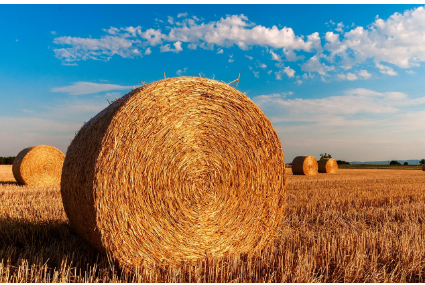
Square baler twine application is a critical component in the agricultural process, particularly for farmers who rely on square balers to package their hay, straw, or other crops. Proper use of square baler twine not only ensures the quality and integrity of the bales but also maximises efficiency, reduces waste, and minimises costs. This article explores the best practices for square baler twine application, offering valuable insights for farmers looking to optimise their baling operations.
Understanding Square Baler Twine
 Before diving into best practices, it’s essential to understand what square baler twine is and its role in the baling process. Square baler twine is a strong, durable cord used to tie bales of hay, straw, or other crops. It comes in various materials, including natural fibres like sisal and synthetic fibres such as polypropylene. The choice of twine depends on factors like the type of crop, baler specifications, and environmental considerations.
Best Practices for Square Baler Twine Application
Selecting the Right Twine
Choosing the appropriate twine is the first step in maximising efficiency in square baler twine application. Consider the following factors:
- Twine Strength: Ensure the twine has sufficient tensile strength to handle the weight and density of the bales. Overloaded twine can break, leading to wasted time and resources.
- Material: Natural twine is biodegradable and environmentally friendly but may not be as durable as synthetic options. Synthetic twine, while more robust and resistant to weather, can have environmental drawbacks.
- Baler Compatibility: Check the baler’s specifications to determine the recommended twine type and strength. Using incompatible twine can cause baler malfunctions.
Proper Twine Storage
Storage conditions significantly impact the performance of square baler twine. Follow these storage tips:
- Dry Environment: Keep twine in a dry, cool place to prevent degradation from moisture and heat. Wet twine can weaken and rot, while excessive heat can cause synthetic twine to deteriorate.
- Protection from UV Rays: Store twine away from direct sunlight, as UV rays can weaken both natural and synthetic fibres over time.
- Rodent Control: Ensure the storage area is free from rodents, which can chew through twine and render it unusable.
Correct Baler Setup
Properly setting up the baler for twine application is crucial for efficient baling. Here are some setup tips:
- Tension Adjustment: Adjust the twine tension settings according to the manufacturer’s guidelines. Incorrect tension can lead to loose or overly tight bales, both of which are inefficient.
- Knotter Maintenance: Regularly inspect and maintain the baler’s knotters. Clean any debris and ensure the knotters are properly lubricated to prevent twine breakage.
- Twine Routing: Follow the recommended twine routing paths. Incorrect routing can cause twine misfeeds and inefficient tying.
Monitoring Twine Usage
Keeping an eye on twine usage helps in identifying issues early and maintaining efficiency:
- Regular Inspections: Check the twine during baling operations to ensure it is feeding correctly and not fraying or breaking.
- Twine Guides: Use twine guides to keep the twine aligned and reduce friction, which can cause wear and tear.
- Consistent Monitoring: Monitor the twine tension and adjust as needed throughout the baling process to maintain consistent bale quality.
Optimising Bale Density
Optimising the density of the bales can significantly impact the efficiency of twine application:
- Uniform Bale Size: Aim for uniform bale sizes to ensure consistent twine usage. Irregular bale sizes can lead to inefficient tying and increased twine consumption.
- Appropriate Bale Density: Balance bale density to maximise the use of twine without compromising the integrity of the bales. Overly dense bales can strain the twine, while under-dense bales may lead to loose and unstable bales.
Training and Safety
Ensuring that all operators are well-trained and aware of safety protocols is vital:
- Operator Training: Provide thorough training on the baler’s operation, including twine application procedures and troubleshooting.
- Safety Measures: Emphasise safety measures, such as wearing appropriate protective gear and understanding emergency procedures in case of twine breakage or equipment malfunctions.
Conclusion
Maximising efficiency in square baler twine application requires a comprehensive approach, from selecting the right twine to proper storage, setup, and ongoing monitoring. By following these best practices, farmers can ensure high-quality bales, reduce waste, and achieve cost savings. Proper twine application not only enhances the baling process but also contributes to a more sustainable and productive agricultural operation.