-
Bathroom Renovations Adelaide’ 7 Essential Tips for a Stylish and Functional Bathroom Upgrade in 2026
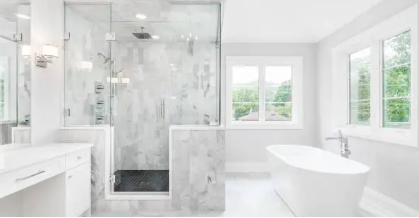
A successful renovation balances style, functionality, budget, and long-term value. With Adelaide homeowners increasingly focusing on modern designs, efficient layouts, and durable materials, knowing the right approach can help you avoid costly mistakes while achieving a bathroom that enhances your home’s appeal. Planning bathroom renovations Adelaide homeowners can be proud of requires more than choosing attractive tiles and fixtures.
Whether you live in Norwood, Glenelg, Prospect, or anywhere across Adelaide, these practical renovation tips will help you create a bathroom that looks great and performs well for years to come.
Start With a Realistic Budget
One of the most important steps in any bathroom renovation is establishing a clear budget before work begins. Renovation costs can vary significantly depending on the size of the space, the materials selected, and whether plumbing or structural changes are required.
Many Adelaide homeowners find that keeping the existing plumbing layout can help reduce overall expenses while still allowing for a complete aesthetic transformation. Recent Adelaide renovation data indicates that mid-range bathroom projects remain among the most popular choices because they balance quality finishes with affordability.
When creating your budget, remember to allocate a contingency fund for unexpected issues such as waterproofing repairs or outdated plumbing discovered during demolition.
Prioritise Functionality Before Style
While visual appeal is important, the most successful bathrooms are designed around everyday usability. Before selecting finishes, consider how your household will use the space.
Ask yourself:
● Is there enough storage?
● Does the layout maximise available space?
● Are fixtures positioned conveniently?
● Will the design remain practical in five to ten years?
Many Adelaide homeowners are choosing layouts that improve movement throughout the room while incorporating smart storage solutions such as recessed niches, wall-hung vanities, and mirrored cabinets. These features help maintain a clean and uncluttered appearance while improving functionality.
Choose Timeless Materials Over Short-Term Trends
Trendy designs can quickly become outdated. Instead of chasing every new style, focus on timeless materials that will maintain their appeal for years.
Current Australian bathroom design trends show growing demand for:
● Natural stone-inspired finishes
● Warm neutral colour palettes
● Timber-look cabinetry
● Textured surfaces
● Soft, organic shapes
These elements create a welcoming atmosphere while offering excellent longevity. Warm neutral tones are particularly popular because they provide a sophisticated appearance and complement a wide variety of interior styles.
By selecting classic materials, you can reduce the likelihood of needing cosmetic updates in the near future.
Invest in Quality Waterproofing
No matter how beautiful a bathroom looks, poor waterproofing can lead to serious problems. Waterproofing protects your home from moisture damage, mould growth, and costly structural repairs.
Professional waterproofing should always comply with Australian standards and be completed by qualified tradespeople. This step is not an area where homeowners should cut corners.
Investing in high-quality waterproofing during your renovation helps protect your property’s value and ensure long-term durability.
Incorporate Modern Wellness Features
Today, as bathroom renovations in Adelaide increasingly focus on comfort and wellness, residents are requesting more. Bathrooms are evolving beyond purely functional spaces and becoming personal retreats designed for relaxation.
Popular wellness-focused additions include:
● Rainfall showerheads
● Freestanding bathtubs
● Heated towel rails
● Ambient lighting
● Walk-in showers
● Underfloor heating
These features can significantly enhance the daily experience while also increasing perceived property value.
Even small upgrades such as dimmable lighting or premium shower fixtures can create a luxurious atmosphere without dramatically increasing costs.
Maximize Storage Solutions
Storage is often overlooked during bathroom planning, yet it plays a crucial role in maintaining a tidy and functional space.
Consider incorporating:
● Wall-mounted vanities
● Recessed shower niches
● Mirrored shaving cabinets
● Deep vanity drawers
● Built-in shelving
Modern bathroom designs increasingly emphasise hidden storage solutions that reduce visual clutter while maximising available space. This approach is particularly beneficial for smaller Adelaide bathrooms where every square metre matters.
Well-designed storage helps keep toiletries, towels, and cleaning supplies organised without compromising aesthetics.
Focus on Long-Term Value
A bathroom renovation should improve both your daily lifestyle and your property’s market appeal. Buyers often view updated bathrooms as a major selling point, making renovations one of the most valuable home improvement investments.
When planning your renovation, prioritise features that appeal to a broad audience:
● Neutral colour schemes
● High-quality fixtures
● Energy-efficient lighting
● Durable surfaces
● Practical layouts
Homeowners and renovation professionals increasingly recommend avoiding overly trendy elements that may date quickly. Discussions within Australian renovation communities frequently highlight concerns about finishes that require excessive maintenance or may lose popularity over time.
A timeless, functional design is more likely to deliver strong long-term returns.
Final Thoughts
Undertaking bathroom renovations Adelaide homeowners can rely on requires careful planning, thoughtful design choices, and attention to quality workmanship. By setting a realistic budget, prioritising functionality, selecting timeless materials, investing in waterproofing, incorporating wellness features, maximising storage, and focusing on long-term value, you can create a bathroom that meets both your current needs and future expectations.
As bathroom design trends continue to evolve throughout 2026, Adelaide homeowners are increasingly embracing spaces that combine comfort, practicality, and sophisticated aesthetics. With the right strategy, your renovation can transform one of the most important rooms in your home into a stylish and highly functional retreat.
-
Gas Connections Adelaide’ A Complete Guide to Safe Installation, Costs, and Licensed Services for New Homes
Setting up utilities in a new property or upgrading an existing one requires careful planning, especially when it comes to gas infrastructure. Gas connections are a critical part of ensuring your home or business has reliable access to natural gas for cooking, heating, and hot water systems. In Adelaide, South Australia, the process is regulated to ensure safety, compliance, and efficiency across residential and commercial installations.
For homeowners, landlords, and builders, understanding how gas infrastructure is installed, approved, and maintained can help avoid delays, unexpected costs, and safety issues. This guide breaks down everything you need to know about gas connections Adelaide, including procedures, pricing factors, regulations, and how to choose a licensed provider.
How Gas Connections Work in Adelaide
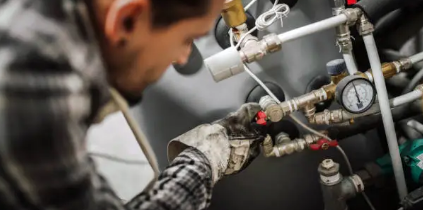
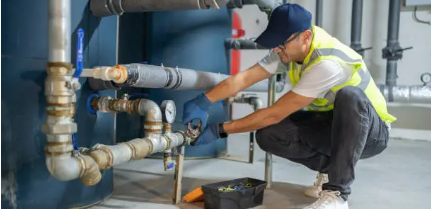
The process of establishing a new gas supply involves coordination among energy providers, licensed gas fitters, and, in some cases, your local distributor. In South Australia, the system is tightly regulated to ensure all installations meet Australian Standards.
A typical installation process includes:
● Site inspection and feasibility assessment
● Application submission to the gas distributor
● Installation of service piping from the street mains to your property
● Meter installation and pressure testing
● Final compliance certification
In most cases, only licensed professionals can perform physical installation work. Attempting DIY installation is illegal and unsafe.
When arranging gas connections, timing is important. New builds often require coordination during construction stages to ensure pipes and meters are installed before completion.
Costs and Factors Affecting Gas Connections in Adelaide
The cost of installing a new gas connection in Adelaide varies depending on several factors:
● Distance from the existing gas main
● Type of property (residential, commercial, or industrial)
● Soil conditions and excavation requirements
● Meter type and load requirements
● Any additional plumbing or appliance upgrades
On average, basic residential connections are more affordable when the property is already close to an existing gas line. However, remote or newly developed areas may incur higher infrastructure extension fees.
It is also important to consider ongoing costs, such as gas usage rates and maintenance of internal gas systems. Comparing providers and requesting multiple quotes is strongly recommended to ensure competitive pricing.
At this stage, gas connections should always be planned alongside other utilities, such as electricity and water, to avoid construction delays and duplicate excavation costs.
Regulations and Safety Standards in South Australia
Gas installations in Adelaide are governed by strict safety frameworks under South Australian legislation and Australian Standards. These regulations are designed to prevent leaks, pressure failures, and long-term hazards.
Key compliance requirements include:
● Work performed only by licensed gas fitters
● Mandatory pressure testing before activation
● Proper installation of isolation valves and regulators
● Certification of compliance upon completion
Inspectors may also audit installations to ensure ongoing compliance. Non-compliant systems can result in disconnection and fines.
Safety is especially important in residential environments where indoor gas appliances are used. Proper ventilation, regular inspections, and carbon monoxide awareness are essential parts of responsible gas system ownership.
When dealing with gas connections, compliance is not optional—it is a legal requirement that directly impacts household safety and insurance validity.
Choosing a Licensed Gas Provider in Adelaide
Selecting the right professional for your installation can significantly affect both cost and long-term reliability. Adelaide has a range of licensed gas fitters and accredited service providers, but not all offer the same level of expertise.
When evaluating providers, consider the following:
● Licensing and accreditation with South Australian authorities
● Experience with residential or commercial gas systems
● Transparent pricing and detailed quotes
● Response times for installation and emergency repairs
● Customer reviews and local reputation
It is also beneficial to choose providers who offer end-to-end services, including meter installation, appliance hookups, and maintenance support.
Professional handling of gas connections ensures not only compliance but also efficiency in gas flow, reduced risk of leaks, and improved system longevity.
Common Issues and How to Avoid Delays
While the installation process is generally straightforward, delays can occur due to:
● Incomplete paperwork or approval delays
● Limited access to underground infrastructure
● Weather conditions affecting excavation work
● Scheduling conflicts between contractors
To avoid these issues, property owners should begin the application process early, ideally during the planning phase of construction. Ensuring all documentation is accurate and submitting requests in advance can significantly reduce waiting times.
Clear communication between builders, plumbers, and energy providers is essential for smooth execution.
Maintenance and Long-Term Efficiency
Once your gas system is installed, ongoing maintenance becomes essential. Regular inspections help detect leaks, pressure irregularities, or appliance inefficiencies.
Recommended maintenance practices include:
● Annual gas safety inspections
● Immediate repair of suspected leaks
● Cleaning and servicing of gas appliances
● Monitoring gas bills for unusual increases
Well-maintained systems not only improve safety but also enhance energy efficiency, reducing long-term utility costs.
Final Thoughts
Installing and managing gas infrastructure in Adelaide requires careful planning, professional expertise, and strict compliance with safety regulations. Whether you are building a new home or upgrading an existing property, understanding how the process works will help you make informed decisions and avoid unnecessary complications.
By working with licensed professionals and planning ahead, homeowners can ensure a smooth, safe, and efficient gas supply setup that meets both current needs and future demands.
-
Compounding Pharmacy Adelaide’ Where to Find Personalised Medications Near Adelaide, SA
If you have ever searched for a compounding pharmacy near me, you are likely looking for a medication solution that standard pharmacies cannot provide. Many Adelaide residents need personalised prescriptions tailored to allergies, dosage strengths, flavour preferences, or discontinued medicines. A trusted compounding pharmacy can create custom medications tailored to your needs. In Adelaide, SA, more people are discovering the benefits of compounded medicines for children, pets, hormone therapy, skin care, and chronic health conditions.
What Is a Compounding Pharmacy?
A compounding pharmacy specialises in preparing customised medications based on a doctor’s prescription. Instead of dispensing only mass-manufactured products, pharmacists can alter ingredients, strengths, forms, or flavours to better suit the patient.
For example, someone who cannot swallow tablets may need a liquid version of their medication. A child may require a lower dose than what is commercially available. If you are searching for a compounding pharmacy near me, it often means you need a solution that standard pharmacies cannot easily supply.
Why Adelaide Residents Choose Compounding Pharmacies
Adelaide has a growing demand for personalised healthcare. Patients increasingly want treatment options tailored to their specific medical requirements rather than a one-size-fits-all approach. Compounding pharmacies in Adelaide can help with:
Custom dosage strengths
Allergy-friendly medications without dyes or fillers
Flavoured liquid medicines for children
Hormone replacement therapy formulations
Veterinary medications for pets
Topical creams for pain relief or skin conditions
Replacing discontinued medications
This level of flexibility makes compounding a practical option for many South Australians.
Popular Compounding Services in Adelaide
1. Hormone Replacement Therapy
Many adults seek compounded hormone therapy for menopause, testosterone support, or thyroid-related treatments. Pharmacists can work closely with your doctor to prepare personalised formulas.
2. Children’s Medications
Children often reject bitter tablets or capsules. Compounded medicines can be turned into flavoured liquids, making treatment easier for parents and children alike. If parents search for a compounding pharmacy near me, this is one of the most common reasons.
3. Dermatology and Skin Treatments
Compounded creams and ointments are frequently used for eczema, acne, pigmentation, and other skin concerns. These can combine multiple active ingredients into one convenient treatment.
4. Pain Management
Some patients require topical pain creams containing customised combinations of ingredients for arthritis, nerve pain, or muscle discomfort.
5. Pet Medications
Veterinary compounding is increasingly popular in Adelaide. Pets may need special dosages or flavoured medications that are easier to administer.
How to Choose the Right Compounding Pharmacy in Adelaide
Not all pharmacies offer advanced compounding services, so it is important to choose carefully. Look for:
Qualified pharmacists with compounding experience
Clean, modern laboratory facilities
Strong communication with doctors and specialists
Transparent pricing
Reliable turnaround times
Positive customer reviews
When comparing options after searching compounding pharmacy near me, convenience matters, but expertise and safety should come first.
Benefits of Using a Local Adelaide Compounding Pharmacy
Choosing a pharmacy based in Adelaide offers several advantages. First, prescriptions can often be prepared faster than ordering from interstate providers. Second, you can speak directly with the pharmacist about ingredients, instructions, and storage. Third, local pharmacies understand the healthcare needs of Adelaide communities.
Many patients also value the ability to pick up medications in person rather than waiting for shipping delays. It is especially useful for urgent prescriptions or repeat medications.
Do You Need a Prescription?
Yes, most compounded medications require a valid prescription from your doctor, dentist, or veterinarian. The prescription outlines what ingredients, dosage, and form are needed. If you think a compounded medicine could help, speak with your healthcare provider first.
Once prescribed, your local Adelaide compounding pharmacy can prepare the medicine according to exact specifications.
Is Compounding Safe?
Compounding is safe when performed by trained pharmacists in accordance with strict quality standards and Australian pharmacy regulations. Reputable Adelaide pharmacies use professional-grade ingredients, precision equipment, and quality assurance procedures.
If you are researching a compounding pharmacy near me, ask about their standards, accreditation, and compounding processes for peace of mind.
Why More Adelaide Patients Are Switching to Personalised Medicine
Healthcare is moving toward personalised treatment, and compounding pharmacies are playing an important role. Rather than forcing patients to adapt to mass-produced medications, compounding adapts the medicine to the patient.
It can improve comfort, compliance, and treatment outcomes. Whether it is changing a tablet into a liquid, removing allergens, or creating a precise dose, custom medications provide solutions where commercial medicines fall short.
Finding the Best Compounding Pharmacy Near Adelaide
When looking for a trusted provider, consider location, service quality, and pharmacist experience. Many Adelaide suburbs now have easier access to compounding services, making it simpler than ever to receive personalised care.
Search online, read verified reviews, and ask your doctor for recommendations. If you have been typing compounding pharmacy near me into search engines, Adelaide has several quality options ready to help with tailored prescriptions.
Final Thoughts
Compounded medications offer practical solutions for patients who need something different from standard pharmacy products. From hormone therapy and children’s medicines to skin treatments and veterinary prescriptions, compounding pharmacies in Adelaide continue to grow in popularity.
If you need personalised healthcare support, a reputable Compounding Pharmacy Adelaide provider can help create medication designed specifically for you. The next time you search compounding pharmacy near me, you will know exactly what to look for and why local expertise matters.
-
Outdoor Umbrella Maintenance Do’s and Don’ts in Auckland, NZ
When it comes to enjoying Auckland’s outdoor spaces, an outdoor umbrella is an essential addition for patios, decks, and garden areas. Whether shielding your family from the summer sun or providing shelter during light rain, a well-maintained outdoor umbrella can enhance both comfort and aesthetics. However, Auckland’s unique climate—marked by heavy rain, strong winds, and intense UV rays—can quickly shorten your outdoor umbrella’s lifespan if not properly cared for. Understanding the key maintenance do’s and don’ts is crucial to keep your investment safe and functional year-round.
Do: Clean Your Outdoor Umbrella Regularly
Regular cleaning is one of the most important aspects of umbrella maintenance. Auckland’s humid and occasionally rainy climate can promote mould, mildew, and dirt buildup, especially on fabric canopies. Use a soft brush or cloth with mild soap and water to gently clean the fabric. Avoid abrasive cleaners or harsh chemicals, as they can damage the fabric or fade colours. For aluminium or steel frames, a damp cloth with mild detergent will suffice to remove any dirt or salt residue, particularly if your home is near the coast.
Don’t: Leave Your Umbrella Open During Storms
Auckland’s weather can shift quickly, and strong gusts of wind are common. Leaving an outdoor umbrella open during storms or high winds can cause frame bending, canopy tearing, or even toppling over—potentially damaging the umbrella and surrounding furniture. Always close and securely tie your umbrella when high winds are forecast. For extra protection, consider using a weighted umbrella base to prevent tipping, especially on Auckland’s exposed balconies or decks.
Do: Store Properly When Not in Use
Proper storage is vital for extending the life of your umbrella. During the wet winter months, it’s advisable to remove the umbrella from its base and store it in a dry, sheltered area such as a garage or shed. If space is limited, invest in a durable protective cover designed for outdoor umbrellas. These covers shield the fabric from UV exposure, rain, and bird droppings while keeping the frame free from corrosion. Auckland homeowners often find that even when umbrellas are left outside with a cover, the fabric benefits from an occasional airing out to prevent mildew.
Don’t: Use Harsh Chemicals or Bleach
While it may be tempting to tackle stubborn stains with bleach or strong detergents, these products can weaken the fabric, remove colour, and even corrode metal frames. In Auckland’s UV-intense summers, maintaining the fabric’s protective coating is essential, as harsh chemicals can compromise it. Instead, stick to gentle, eco-friendly cleaning solutions that protect both the umbrella and the surrounding environment.
Do: Inspect Regularly for Damage
Frequent inspection is key to catching minor issues before they become major problems. Check the canopy for rips, loose stitching, or discolouration. Examine the frame for rust, cracks, or bent ribs. Lubricate moving parts such as hinges, crank handles, and tilt mechanisms with silicone spray to ensure smooth operation. In Auckland’s coastal neighbourhoods, extra attention to salt buildup is recommended, as it can accelerate corrosion on metal components.
Don’t: Ignore Tilt and Lock Mechanisms
Many modern outdoor umbrellas feature tilting functions for optimal sun protection. However, improper use or neglect of the tilt-and-lock mechanisms can lead to sudden failure. Never force the tilt if it seems stuck, and always ensure that locks are engaged before leaving the umbrella unattended. This simple step prevents damage during unexpected gusts common in Auckland’s variable climate.
Do: Choose the Right Material for Your Climate
Material choice plays a significant role in long-term maintenance. In Auckland, UV-resistant fabrics and powder-coated aluminium frames are ideal. Polyester and acrylic canopies with UV protection withstand sun fading better than cheaper alternatives. Aluminium frames resist rust, making them more suitable for coastal areas prone to salt air. Investing in high-quality materials reduces the frequency of repairs and cleaning while ensuring your umbrella lasts for many seasons.
Don’t: Neglect Seasonal Adjustments
Auckland’s weather changes seasonally, so adjusting your umbrella care routine accordingly is essential. In summer, prioritise UV protection and regular cleaning to prevent fading and dirt buildup. During winter and rainy periods, focus on storage, covering, and ensuring the frame is dry to prevent corrosion. Adapting your maintenance practices to the season significantly extends the lifespan of your outdoor umbrella.
Conclusion
Proper care of your outdoor umbrella in Auckland requires a balance of proactive maintenance and cautious use. By following these do’s and don’ts—regular cleaning, careful storage, proper inspection, and mindful operation—you can protect your umbrella from Auckland’s variable weather and enjoy comfortable, shaded outdoor spaces year-round. Avoid shortcuts such as leaving umbrellas open during storms or using harsh chemicals, and invest in quality materials suited for the local climate. With consistent attention, your outdoor umbrella will remain a reliable and stylish feature of your Auckland home for many years.
-
Electrical Fitouts Unley’ Top Electrical Fitouts Tips for Commercial Spaces in SA
Modern commercial properties in Unley, South Australia are evolving rapidly, with businesses demanding smarter layouts, improved energy efficiency, and scalable infrastructure. Well-planned electrical fitouts are central to achieving these outcomes, especially in high-growth suburban business hubs like Unley. Whether you are setting up a retail store, office, or hospitality venue, the right electrical design ensures operational safety, compliance, and long-term cost savings.
In this guide, we break down practical, industry-informed strategies for planning and executing electrical fitouts that meet both current demands and future expansion needs. We’ll explore design considerations, compliance requirements, and efficiency upgrades that matter most for commercial spaces in Unley and the surrounding Adelaide metropolitan areas.
1. Strategic Planning for Commercial Electrical Systems
Effective planning is the foundation of any successful electrical project. Before any wiring or installation begins, businesses should assess their current and future power needs. This includes lighting loads, HVAC requirements, IT infrastructure, and specialty equipment.
When working on electrical fitouts, it’s essential to collaborate with licensed electricians who understand commercial load balancing and distribution board design. Poor planning often results in overloaded circuits, costly rework, and limited scalability.
In Unley’s competitive business environment, many property owners also consider modular systems that allow easy expansion as their operations grow. This includes installing additional conduit pathways, spare circuit capacity, and smart switchboard layouts. Early investment in flexibility prevents expensive downtime later.
A key recommendation is to conduct a detailed site audit before finalising the design. This ensures the fitout aligns with building structure limitations and council regulations specific to South Australian commercial properties.
2. Compliance and Safety Standards You Cannot Ignore
Electrical compliance is not optional—it is a legal requirement. In South Australia, commercial installations must comply with Australian Standards, such as AS/NZS 3000 (Wiring Rules). Failure to comply can result in penalties, insurance issues, or even business closure in severe cases.
Professional electrical fitouts ensure that all wiring, circuit protection, and emergency systems meet these strict standards. This includes proper earthing systems, safety switches (RCDs), and emergency lighting setups.
For businesses in Unley, compliance also extends to council approvals and inspections, especially in heritage-listed or mixed-use buildings. Engaging experienced electricians familiar with local regulations significantly reduces approval delays.
Fire safety integration is another critical component. This includes smoke alarm systems, exit lighting, and integration with building fire control systems. These elements must be designed in parallel with electrical layouts, not added as an afterthought.
3. Energy Efficiency and Smart Technology Integration
Energy efficiency is now a core consideration in modern commercial design. Businesses are increasingly adopting LED lighting systems, motion sensors, and automated controls to reduce operational costs.
Advanced electrical fitouts often incorporate smart energy monitoring systems that track usage patterns in real time. This allows business owners to identify inefficiencies and optimise consumption.
In Unley’s growing commercial precinct, sustainability is also becoming a competitive advantage. Tenants and customers are more likely to support businesses that demonstrate environmental responsibility.
Installing energy-efficient systems not only reduces power bills but can also improve building ratings and long-term property value. Solar integration, where feasible, is another growing trend in Adelaide’s suburban business districts.
4. Designing for Scalability and Future Growth
One of the most overlooked aspects of electrical planning is scalability. Businesses often underestimate how quickly their power needs will grow.
Well-designed electrical fitouts anticipate this by including spare capacity in switchboards, extra data points, and flexible cabling infrastructure. This makes future expansions far more cost-effective and less disruptive.
For example, an office in Unley may initially require only a small network setup. Still, within a few years, it may expand into multiple departments requiring dedicated server rooms, additional lighting zones, and upgraded HVAC loads.
Scalable design ensures that these upgrades can be implemented without a complete system overhaul. It also reduces downtime, which is crucial for revenue-generating businesses.
5. Choosing the Right Electrical Contractor
Selecting a qualified contractor is one of the most important decisions in any fitout project. Not all electricians specialise in commercial work, so it’s important to verify licensing, experience, and previous project history.
Professional electrical fitouts require coordination between builders, architects, and engineers. A skilled contractor ensures all systems integrate seamlessly and comply with Australian standards from the outset.
In Unley, businesses often prefer contractors with local experience, as they are familiar with council requirements, inspection processes, and site-specific challenges such as older building infrastructure.
Always request detailed project documentation, including wiring diagrams, load calculations, and maintenance plans. This ensures transparency and simplifies future upgrades or troubleshooting.
6. Common Mistakes to Avoid in Electrical Fitouts
Many businesses make avoidable errors during the planning phase. One common mistake is underestimating power requirements, which can lead to frequent circuit overloads. Another is failing to plan for future technology needs, such as high-speed data networks or EV charging stations.
Poor placement of outlets and lighting fixtures can also reduce workplace efficiency and increase long-term modification costs.
High-quality electrical fitouts avoid these issues by combining technical planning with practical workflow analysis. This ensures that electrical systems support how people actually use the space, not just how it looks on paper.
Skipping professional consultation is another costly mistake. DIY or low-cost installations often result in compliance issues and safety risks that far outweigh initial savings.
Conclusion
Well-executed electrical design is a critical investment for any commercial property. From planning and compliance to energy efficiency and scalability, every stage of the process contributes to long-term performance and safety.
Businesses investing in electrical fitouts in Unley and surrounding Adelaide suburbs should prioritise quality workmanship, regulatory compliance, and forward-thinking design. With the right approach, electrical systems become a strategic asset rather than just an operational necessity.
By focusing on future growth, sustainability, and safety, commercial spaces in Unley can remain competitive, efficient, and fully prepared for evolving technological demands.
-
Novated Lease Calculator Australia’ How Accurate Are Your Results in 2026′
A novated lease calculator is one of the most widely used tools for Australians considering salary packaging a vehicle, but many people misunderstand what it actually shows. While it can provide a fast estimate of your potential lease repayments and tax savings, the output is only as accurate as the assumptions you input. In 2026, with evolving tax thresholds and varying running costs across Australia, relying solely on a novated lease calculator without understanding its limitations can lead to misleading expectations.
This guide explains how these calculators work, what affects their accuracy, and how to interpret results properly so you can make a more informed financial decision.
How Novated Lease Calculators Work in Australia
A novated lease calculator typically combines three core inputs: your salary, the vehicle price, and estimated running costs. From there, it models a salary packaging arrangement between you, your employer, and a finance provider.
The calculator estimates your pre-tax and post-tax deductions, factoring in assumed income tax savings. In Australia, this often involves referencing marginal tax rates defined by the Australian Taxation Office.
However, the accuracy of a novated lease calculator depends heavily on assumptions such as fuel prices, insurance premiums, maintenance schedules, and even projected kilometres driven per year. Small changes in these variables can significantly alter monthly repayment estimates.
Why Calculator Results Can Vary So Much
Many users assume the output of a novated lease calculator is a fixed cost, but in reality, it is a projection model.
The main variables that influence accuracy include:
● Your actual marginal tax rate (which may change with income fluctuations or policy updates)
● Fringe Benefits Tax (FBT) exemptions or concessions
● Employer-specific salary packaging fees
● Real-world running costs (fuel, tyres, servicing, registration)
● Lease term length and residual value assumptions
Because most calculators standardise these inputs, two people with identical vehicles can still receive different real-world outcomes once actual expenses are applied.
Another common issue is that calculators often assume stable employment conditions. If your salary changes, your tax savings will also shift, directly affecting the net benefit of the lease.
The Biggest Mistakes People Make When Using a Novated Lease Calculator
One of the most common mistakes is treating the estimate as a guaranteed monthly payment. In reality, a novated lease calculator provides a forecast, not a contractual figure.
Many users also underestimate running costs. For example, differences in fuel consumption between city and highway driving can materially affect bundled lease expenses over time. Similarly, insurance premiums in Australia can vary widely depending on location, driving history, and vehicle type.
Another frequent oversight is failing to account for how tax offsets actually apply in practice. While calculators often show “tax savings,” these are based on assumptions aligned with current income tax brackets rather than personalised financial circumstances.
How to Interpret Your Results Properly
To get value from a novated lease calculator, treat the output as a scenario comparison tool rather than a final price.
Start by comparing multiple vehicles under the same assumptions. This helps identify relative affordability rather than absolute cost accuracy. Then adjust inputs such as annual kilometres, fuel price, and lease term to test sensitivity.
It’s also important to compare results against a traditional car loan. While calculators may show lower net costs due to tax savings, this advantage depends on your income level and eligibility for salary packaging arrangements.
Understanding how your tax position interacts with the lease structure is essential. The benefits are typically tied to marginal tax rates under Australian taxation rules administered by the Australian Taxation Office, so higher-income earners may see larger savings than lower-income earners.
Improving the Accuracy of Your Estimate
If you want a more realistic output from a novated lease calculator, avoid using default values wherever possible.
Instead, input:
● Actual fuel consumption data from your chosen vehicle
● Real insurance quotes (not estimates)
● Conservative annual kilometre usage
● A realistic servicing schedule based on manufacturer guidelines
You should also request a written quote from a novated lease provider after using the calculator. This bridges the gap between theoretical estimates and real contractual figures.
The more precise your inputs, the closer the novated lease calculator becomes to reflecting your real-world financial outcome.
Final Thoughts
A novated lease calculator is a powerful planning tool for Australian drivers, but it should not be treated as a definitive pricing system. It is best used to compare scenarios, understand potential tax advantages, and narrow down vehicle options before seeking a formal quote.
When used correctly, it provides valuable insight into the efficiency of salary packaging and long-term vehicle affordability. When used blindly, it can create unrealistic expectations. The key is understanding that every result is a model—not a promise.
-
Bale Wrap Usage Guide’ Complete Australian Farmer’s Manual for Silage Protection and Storage Efficiency
For Australian livestock producers and hay contractors, effective fodder preservation is essential to maintaining feed quality through long dry seasons and unpredictable rainfall patterns. Proper use of bale wrap is critical for protecting silage and hay bales from oxygen, moisture, and UV exposure. When applied correctly, bale wrapping improves feed value, reduces spoilage, and supports more efficient on-farm logistics.
This bale wrap usage guide is designed specifically for Australian conditions, where high heat, coastal humidity, and inland dryness all influence storage outcomes. Whether you’re operating in Queensland’s dairy regions or the grain belts of Western Australia, understanding correct wrapping techniques can significantly improve profitability and reduce wastage.
Understanding Bale Wrap and Its Role in Silage Preservation
At its core, bale wrap is a stretch film—typically polyethylene-based—used to seal round or square bales of forage. Once tightly wrapped, the bale undergoes anaerobic fermentation, producing silage that preserves nutrients for livestock consumption.
Modern farming equipment from manufacturers like John Deere, CLAAS, and New Holland Agriculture has made baling and wrapping more efficient through integrated baler-wrapper systems. These machines ensure consistent density and precise layering, which are essential for high-quality fermentation.
In Australia, where feed security is a constant concern, bale wrapping is not just a convenience—it is a risk management strategy that protects against drought-driven feed shortages.
Choosing the Right Bale Wrap for Australian Conditions
Selecting the correct film is one of the most overlooked steps in the wrapping process.
Australian farms require bale wrap that can withstand:
● High UV exposure
● Temperature fluctuations
● Long outdoor storage periods
● Rough handling during transport
A high-quality bale wrap should have strong puncture resistance, high cling properties, and uniform thickness. Multi-layer stretch films are generally preferred because they offer better oxygen barrier performance.
Suppliers such as Elders Limited provide access to agricultural wraps tailored for local conditions, ensuring farmers get materials suited to regional climate stressors.
Correct Bale Wrapping Technique for Maximum Efficiency
Proper application technique is just as important as the material itself. A poorly wrapped bale can lead to spoilage, even with premium film.
To optimise performance:
1. Maintain consistent bale density during baling.
2. Begin wrapping immediately after baling to preserve moisture.
3. Apply 6–8 layers of bale wrap for silage intended for long-term storage.
4. Ensure 50% film overlap for airtight sealing.
5. Avoid wrapping in dusty or extremely windy conditions.
In Australia’s hotter regions, increasing wrap layers may be necessary to prevent UV degradation and oxygen penetration. The goal is to create a completely sealed anaerobic environment that supports controlled fermentation.
Common Mistakes Farmers Make When Using Bale Wrap
Even experienced operators can make errors that compromise feed quality. The most common issues include:
● Wrapping bales that are too dry or too wet
● Using insufficient film layers
● Allowing punctures from handling equipment
● Delaying wrapping after baling
When bale wrap is applied improperly, oxygen enters the bale, triggering mould growth and leading to significant nutrient loss. This is particularly problematic in humid coastal regions of Australia where spoilage accelerates rapidly.
Modern bale handling systems from CLAAS and John Deere help reduce handling damage, but operator discipline remains the most important factor.
Storage and Handling Best Practices in Australian Farms
Once wrapped, proper storage conditions determine long-term feed quality. Even the best bale wrap cannot compensate for poor storage practices.
Key recommendations include:
● Store bales on well-drained ground or gravel pads
● Avoid direct sunlight exposure where possible
● Stack bales carefully to prevent puncturing
● Monitor for rodent or bird damage
● Rotate stock using “first in, first out” principles
In regions prone to heavy rainfall, elevating bales slightly using pallets or rubble can reduce bottom-side moisture damage.
Environmental Considerations and Recycling of Bale Wrap
Sustainability is becoming increasingly important in Australian agriculture. Used bale wrap is a significant source of farm plastic waste, but recycling programs are expanding.
Farmers are encouraged to:
● Collect and store used film separately
● Remove contamination such as soil and feed residues
● Participate in agricultural plastics recycling programs
● Reduce film usage by optimising wrapping efficiency
Advancements in biodegradable films are also being explored, although traditional bale wrap remains the industry standard due to its durability and cost-effectiveness.
Conclusion: Improving Farm Productivity Through Better Bale Wrapping Practices
For Australian farmers, mastering bale wrapping is a direct pathway to improved feed security, reduced wastage, and higher operational efficiency. When applied correctly, bale wrap preserves nutritional value and ensures livestock have year-round, consistent access to high-quality forage.
By selecting the right materials, using modern equipment from brands like New Holland Agriculture, and following proper handling techniques, farmers can significantly reduce spoilage risks. Combined with responsible storage and recycling practices, bale wrapping becomes not just a preservation method—but a key component of sustainable Australian farming systems.
-
Pools Adelaide Fibreglass’ Here’s Why Fibreglass Pools Are Worth It in 2026
If you’re researching backyard upgrades in South Australia, especially for hot summers and low-maintenance outdoor living, pools Adelaide fibreglass is one of the most common search phrases homeowners use when comparing pool types. Fibreglass pools have become a leading choice in Adelaide due to their fast installation, durability in varying soil conditions, and relatively low upkeep compared to concrete alternatives. This guide breaks down whether they are truly worth the investment in 2026, focusing on cost, lifespan, and real-world performance in Adelaide’s climate.
Why Fibreglass Pools are Popular in Adelaide
Adelaide’s Mediterranean climate—hot, dry summers and mild winters—makes it ideal for backyard pools. Fibreglass pools are particularly suited to these conditions because they expand and contract slightly with temperature changes without cracking easily. This flexibility is one reason many homeowners researching pools Adelaide fibreglass end up choosing fibreglass over concrete.
Another major advantage is installation speed. While concrete pools can take several months, fibreglass pools are often installed within 1–3 weeks, depending on site preparation. This is especially appealing in suburban Adelaide areas where backyard access and building timelines matter.
Maintenance is also simpler. The smooth gelcoat surface reduces algae buildup, meaning less scrubbing and fewer chemicals over time.
Cost of Fibreglass Pools in Adelaide
When evaluating any pool investment, cost is usually the first concern. In Adelaide, fibreglass pools typically range from $35,000 to $65,000 installed, depending on size, shape, site access, and additional features like heating or landscaping.
For homeowners comparing pools Adelaide fibreglass, it’s important to understand what drives pricing:
● Excavation complexity: Rocky or sloped blocks in Adelaide Hills can increase costs
● Pool size and depth: Larger designs require more structural support and transport
● Crane access: Tight suburban streets may require special equipment
● Add-ons: Lighting, heating, and pool covers can significantly increase the total investment
Compared to concrete pools (often $50,000–$100,000+), fibreglass is generally more budget-friendly while still offering long-term durability.
Installation Process Explained
Fibreglass pool installation is more streamlined than most homeowners expect. After design selection and permits are approved, the process typically follows these stages:
1. Site excavation and levelling
2. Delivery of the pre-moulded shell
3. Crane placement into the excavated area
4. Plumbing and filtration installation
5. Backfilling and surrounding structural support
6. Finishing touches like paving or decking
In Adelaide suburbs, installation efficiency is one of the main reasons pools Adelaide fibreglass remains a high-demand search term. Homeowners often prefer minimal disruption, especially during warmer months when pool use is most desirable.
Durability and Performance in Adelaide Conditions
Fibreglass pools are designed with a flexible structure that helps them withstand soil movement, particularly in areas around Adelaide with reactive clay soils. Unlike rigid concrete shells, fibreglass can adapt slightly without developing structural cracks.
The gelcoat surface is also UV-resistant, an important factor given South Australia’s high levels of sunlight. This reduces fading and surface degradation over time.
Most quality fibreglass pools last 25–40 years with proper maintenance. For homeowners evaluating pools Adelaide fibreglass, this lifespan makes them a strong long-term investment, especially when paired with warranties offered by reputable installers.
Maintenance Requirements
One of the strongest selling points of fibreglass pools is low maintenance. The smooth surface reduces algae growth, meaning:
● Less frequent brushing
● Lower chlorine usage
● Easier water balancing
● Reduced long-term chemical costs
In Adelaide’s dry summers, evaporation is a consideration, but fibreglass pools still maintain water chemistry more efficiently than rougher surfaces like concrete.
Routine maintenance typically includes checking filtration systems, skimming debris, and, if needed, occasional acid washing over many years.
Design Options and Flexibility
Modern fibreglass pools are no longer limited to basic shapes. Adelaide homeowners can choose from plunge pools, lap pools, and family-sized designs with built-in seating or shallow ledges.
While concrete pools offer full customisation, fibreglass designs have significantly improved in variety. Many suppliers of pools Adelaide fibreglass now offer contemporary styles that suit narrow urban blocks as well as larger suburban backyards.
Popular design trends in Adelaide include:
● Compact plunge pools for smaller blocks
● Rectangular lap pools for fitness use
● Resort-style pools with integrated spa zones
● Neutral colours that complement modern landscaping
Potential Drawbacks to Consider
Despite their benefits, fibreglass pools are not perfect for every situation. The main limitations include:
● Less shape customisation compared to concrete
● Transport restrictions due to the pre-moulded shell size
● Potential gelcoat repair requirements if damaged
However, for most Adelaide homeowners, these limitations are outweighed by the benefits of speed, cost, and ease of ownership. This is why searches for pools Adelaide fibreglass continue to grow year after year.
Final Verdict: Are Fibreglass Pools Worth It in Adelaide?
For most residential properties in Adelaide, fibreglass pools offer a strong balance of affordability, durability, and low maintenance. They are particularly well-suited to the local climate and soil conditions, making them a practical long-term investment for families, entertainers, and lifestyle-focused homeowners.
If your priority is fast installation, predictable costs, and minimal upkeep, fibreglass is often the most efficient choice. While concrete pools may still appeal to those seeking highly customised designs, fibreglass remains the dominant option for value and convenience in the Adelaide market.
-
Business Vehicle Finance’ Tax Advantages for Australian Small Businesses
For many Australian entrepreneurs, acquiring reliable transport is essential for daily operations. Business vehicle finance provides a practical way for companies to purchase or lease vehicles while maintaining healthy cash flow. Instead of paying the full price upfront, businesses can spread the cost over manageable repayments while also accessing potential tax benefits. Across Australia, financing a work vehicle can help small and medium-sized enterprises improve efficiency, reduce financial pressure, and optimise their tax strategy.
Understanding how business vehicle finance works in Australia—and how it interacts with tax deductions, GST credits, and depreciation—can help business owners make smarter financial decisions when expanding their fleet.
What Is Business Vehicle Finance?
Business vehicle finance refers to funding solutions designed specifically for companies purchasing vehicles for commercial use. These vehicles may include delivery vans, utes, trucks, or company cars used by employees.
These options give companies flexibility depending on their cash flow, tax structure, and operational requirements. With business vehicle finance, repayments are usually fixed over a specific period, allowing businesses to budget accurately while using the vehicle immediately.
Tax Benefits for Australian Businesses
One of the biggest advantages of business vehicle finance is the potential for tax savings. The Australian tax system allows businesses to claim several deductions when vehicles are used for work purposes.
Interest Deductions
When a vehicle is financed through a loan structure such as a chattel mortgage, the interest component of the repayments is generally tax-deductible. This reduces the effective cost of borrowing and makes financing more appealing than paying the full purchase price upfront.
Depreciation Claims
Vehicles used for business purposes can often be depreciated over time. Depreciation reflects the reduction in the vehicle’s value as it ages and accumulates mileage. Businesses may claim this depreciation as a deduction, which lowers their taxable income.
In some cases, eligible businesses can take advantage of accelerated depreciation programs introduced by the Australian government to encourage investment in equipment and assets.
Instant Asset Write-Off Opportunities
Australian small businesses may also benefit from the Instant Asset Write-Off scheme, depending on eligibility and current government thresholds. This program allows qualifying companies to immediately deduct the business portion of a vehicle’s cost rather than claiming depreciation over several years.
Using business vehicle finance alongside this incentive can be especially beneficial. A business can acquire a new vehicle without paying the full purchase price upfront while still claiming a significant deduction in the same financial year.
However, eligibility rules and thresholds change periodically, so businesses should consult a qualified accountant to ensure compliance with the latest regulations.
Claiming GST Credits
If a business is registered for GST in Australia, it may be able to claim back the GST included in the vehicle’s purchase price. This can represent a substantial saving, particularly for higher-value vehicles used for commercial operations.
Under many business vehicle finance arrangements, GST is included in the purchase price and may be claimed through the company’s Business Activity Statement (BAS). This improves cash flow and reduces the overall expense of acquiring the vehicle.
It is important to note that GST claims typically apply only to the business-use portion of the vehicle.
Improving Cash Flow and Financial Stability
While tax advantages are important, business vehicle finance also helps companies maintain working capital. Instead of tying up large sums of money in vehicle purchases, businesses can preserve cash for other operational needs such as payroll, marketing, or inventory.
This approach is particularly beneficial for growing Australian businesses that need to expand their fleet to meet demand. With predictable repayments, companies can invest in productivity without destabilising their finances.
Financing can also make it easier to upgrade vehicles regularly, ensuring reliability and minimising maintenance costs.
Choosing the Right Financing Structure
Not all financing options suit every business. Selecting the right business vehicle finance structure depends on factors such as:
● Business cash flow
● Tax strategy
● Vehicle usage
● Length of ownership plans
● Balance sheet considerations
For example, businesses wanting immediate ownership may prefer a chattel mortgage, while companies focused on flexibility might opt for a finance lease.
Working with a finance broker or lender experienced in Australian commercial lending can help business owners evaluate the most appropriate solution.
Compliance and Record Keeping
To maximise the benefits of business vehicle finance, Australian businesses must maintain accurate records. This typically includes:
● Vehicle purchase invoices
● Finance agreements
● Loan repayment statements
● Logbooks for business usage
● Maintenance and operating expense records
These documents help verify deductions and ensure compliance with Australian Taxation Office requirements.
Maintaining a logbook is particularly important when vehicles are used for both personal and business purposes. It helps determine the correct percentage of expenses that can be claimed as tax deductions.
Final Thoughts
For Australian entrepreneurs, reliable transportation is often essential for running and growing a company. Business vehicle finance offers a strategic way to acquire vehicles without straining cash flow while potentially unlocking valuable tax benefits.
From interest deductions and depreciation claims to GST credits and asset write-off opportunities, the right financing structure can significantly reduce the overall cost of owning a work vehicle. By understanding the available options and seeking professional financial advice, Australian business owners can use business vehicle finance to strengthen operations, improve efficiency, and support long-term growth.
-
Pallet Freezer Spacers’ Boosting Cold Storage Efficiency in Australian Warehouses
Cold storage operations are a critical component of Australia’s food supply chain, from seafood exports to the distribution of frozen meat and produce. One often overlooked yet highly effective solution for improving freezer performance is the use of pallet freezer spacers. These simple tools play a vital role in maintaining airflow, preserving product quality, and reducing operational costs. For Australian warehouses subject to strict food safety standards and high energy costs, understanding how pallet freezer spacers work can deliver measurable benefits.
What Are Pallet Freezer Spacers?
Pallet freezer spacers are strong inserts placed between stacked pallets in cold storage. They create gaps for cold air to circulate around goods. Without airflow, freezers can develop temperature inconsistencies, leading to uneven freezing and potential spoilage.
In Australia’s logistics and food export sectors, pallet freezer spacers help businesses meet temperature-control regulations. They are a cost-effective option for both large distribution centres and smaller regional facilities.
Why Airflow Matters in Freezer Storage
Efficient airflow is the backbone of any cold storage operation. In large-scale Australian facilities, where pallets are stacked high to maximise space, airflow can easily become restricted. This is where pallet freezer spacers become indispensable.
When airflow is blocked, cold air cannot circulate evenly, causing “hot spots” within the freezer. These inconsistencies can compromise food safety, particularly for temperature-sensitive products such as seafood, dairy, and pharmaceuticals. By ensuring consistent spacing, pallet freezer spacers promote uniform cooling and help maintain product integrity.
Benefits for Australian Businesses
1. Improved Energy Efficiency
Energy costs in Australia are among the highest globally, making efficiency a top priority for warehouse operators. By enhancing airflow, pallet freezer spacers reduce the workload on refrigeration systems. This leads to lower energy consumption and, ultimately, reduced operational costs.
2. Enhanced Product Quality
Maintaining consistent temperatures is essential for preserving the quality of frozen goods. Pallet freezer spacers help prevent partial thawing and refreezing, which can degrade texture, flavour, and safety. For exporters, this consistency is crucial in meeting international standards.
3. Faster Freezing Times
Time is money in logistics. With better airflow, products freeze more quickly and evenly. This is particularly beneficial for Australian industries that handle high volumes of perishable goods, such as meat processing and seafood exports.
4. Compliance with Food Safety Standards
Australia has strict food safety regulations enforced by authorities such as Food Standards Australia New Zealand (FSANZ). Using pallet freezer spacers supports compliance by ensuring proper temperature control and reducing the risk of contamination.
Applications Across Industries
Pallet freezer spacers are widely used across multiple sectors in Australia:
● Food Processing: Ensuring consistent freezing of meat, poultry, and seafood
● Pharmaceuticals: Maintaining strict temperature requirements for medicines and vaccines
● Agriculture: Preserving fruits and vegetables for domestic and export markets
● Retail Distribution: Supporting large supermarket supply chains
In each of these industries, the role of pallet freezer spacers extends beyond convenience—they are essential for operational reliability.
Choosing the Right Pallet Freezer Spacers
Not all spacers are created equal. Australian businesses should consider several factors when selecting pallet freezer spacers:
● Material Durability: Look for high-strength plastics that can withstand extreme cold without cracking
● Load Capacity: Ensure spacers can support the weight of stacked pallets
● Ease of Handling: Lightweight designs improve efficiency during loading and unloading
● Hygiene Standards: Choose spacers that are easy to clean and resistant to contamination
Investing in high-quality pallet freezer spacers ensures long-term performance and reliability in demanding environments.
Sustainability and Environmental Impact
Sustainability is becoming increasingly important in Australia’s logistics sector. By improving energy efficiency, pallet freezer spacers help reduce carbon emissions. Reduced energy usage not only cuts costs but also supports environmental goals—a win-win for businesses aiming to meet sustainability targets.
Additionally, many modern spacers are made from recyclable materials, aligning with Australia’s push toward more sustainable industrial practices.
Implementation Tips for Australian Warehouses
To maximise the benefits of pallet freezer spacers, businesses should follow best practices:
● Train Staff Properly: Ensure workers understand how to place spacers correctly
● Standardise Pallet Stacking: Consistency improves airflow and efficiency
● Regularly Inspect Equipment: Check spacers for wear and replace as needed
● Integrate with Warehouse Design: Align spacer use with airflow planning and freezer layout
Proper implementation ensures that pallet freezer spacers deliver their full value.
The Future of Cold Storage in Australia
As Australia’s cold chain logistics continue to expand, driven by growing exports and domestic demand, efficiency will remain a key focus. Technologies and tools that optimise performance—like pallet freezer spacers—will play an increasingly important role.
Automation and smart warehousing systems are also on the rise, and pallet freezer spacers can easily integrate into these environments. Their simplicity and effectiveness make them a future-proof solution for evolving logistics challenges.
Conclusion
For Australian businesses operating in cold storage, the importance of airflow, efficiency, and product integrity cannot be overstated. Pallet freezer spacers offer a practical, cost-effective way to enhance all three. From reducing energy costs to ensuring compliance with food safety standards, their benefits are both immediate and long-term.
As the logistics and food export sectors continue to grow, adopting solutions such as pallet freezer spacers will be essential to staying competitive. By investing in the right tools and implementing best practices, Australian warehouses can achieve greater efficiency, sustainability, and reliability in their operations.