Frozen Food
-
Frozen Seafood – Taste, Health and Convenience
From a perfectly poached lobster in a seafood paella to simply frozen fish fillets, more and more families are turning to frozen seafood options that marry taste, health, and convenience.
When selecting frozen seafood, look for a seal that indicates quality and a label that provides information about the seafood’s source, processing and handling. Avoid open, torn or crushed packages.
Freshness
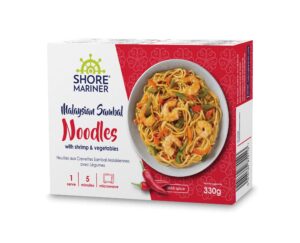 When seafood is frozen immediately at its peak of freshness, it preserves the flavour and texture for a more extended period. Many consumers believe that fresh is always better, but the truth is that frozen seafood can be more delicious and healthy.
Frozen seafood is also less expensive for the consumer. Purchasing frozen seafood cuts out the high transport, refrigeration and storage costs that come with buying fresh fish. This is because the freezing process locks in the freshness and reduces waste throughout the supply chain.
In addition, frozen seafood is less vulnerable to price fluctuations due to seasonal shortages. For example, if a type of fish is in short supply, the price will rise as buyers fight for it. By contrast, frozen seafood is available year-round and tends to be cheaper.
Another advantage of frozen seafood is that it can be easily stored and used when needed. Many consumers have busy lifestyles, and it is not always possible to purchase and cook fresh fish the day they are bought. Frozen seafood can be the perfect solution. It is easy to store in the freezer and can be thawed at the last minute before cooking.
The quality of frozen seafood can be just as good as the fresh alternative, but it is essential to buy the best. Buying frozen seafood from a trusted source ensures the product has been adequately frozen and maintained.
It is also advisable to select seafood that has been packaged well. Some packaging may contain a time and temperature indicator, which is a great way to check the quality of the product before purchasing. Look for a clear indication of the date that the seafood was frozen, and avoid seafood with a strong fishy smell or that is leaking juices.
If you choose to purchase fresh seafood, ensure that it is kept in the coldest part of your refrigerator and wrapped securely. Also, ensure it is not stored near raw meat products or vegetables, which can lead to contamination. Ideally, you should use shellfish within two days of purchasing, and if you cannot eat them immediately, store them on ice in a sealed container.
Convenience
Frozen seafood is an excellent option for busy households. It doesn’t need to be thawed and can be cooked straight from the freezer, which is a great time saver. In addition, frozen seafood is usually cheaper than fresh seafood. It also requires less energy to transport, which makes it an environmentally friendly choice. Moreover, frozen seafood is available all year round. As a result, many consumers prefer to buy it over fresh seafood.
In the past, fresh seafood was typically thawed in the store and then frozen at home before being sold to customers. Today, however, freezing can occur minutes after the fish is caught. This is often done to preserve the seafood’s taste, texture, and quality.
The popularity of frozen seafood is increasing due to rising income levels, population growth, urbanization, and growth in the food service industry. In addition, frozen seafood is convenient and can be stored for long periods. This convenience factor is driving the market’s growth. The global fixed seafood market is expected to reach $37,398.5 million by 2033.
Seafood freezes well; when correctly prepared and frozen, it tastes as good as fresh seafood. Many restaurants, sushi counters, and even grocery stores use frozen seafood because it provides a high-quality product at a more affordable price.
One of the main advantages of frozen seafood is that it doesn’t need any preservatives. This is important because preservatives can harm human health, especially in large quantities. In addition, frozen seafood doesn’t need refrigeration, which helps reduce environmental waste.
The frozen seafood market is expanding in Asia-Pacific because of the growing demand for seafood products. In particular, the need for seafood in India is increasing due to growing disposable income and a rising number of restaurants. In addition, the popularity of frozen seafood in the region is growing due to increased consumer awareness and improved supply chain. As a result, the fixed seafood market in the area is forecast to increase.
Health
Seafood is an integral part of a healthy diet. It provides protein, vitamins and minerals that help support average growth and development. It also contains essential fatty acids, which may reduce the risk of heart disease and lower cholesterol levels. Frozen seafood is an affordable and convenient way to eat more fish. It is just as nutritious as fresh seafood. Some frozen seafood is better because it has a longer shelf life. It is not exposed to bacterial and fungal contamination as quickly as fresh fish.
-
The Global Frozen Food Market
The growing demand for ready-to-eat food products requiring less preparation time drives the frozen food imported market. The rising number of women in the workforce also contributes to this growth.
Track your competitors, enforce exclusivity agreements, learn about your overseas factories and more. Get a free demo today!
Europe
Frozen food is one of the most popular processed foods, appealing to busy-conscious consumers. The fixed food market is expected to grow in Europe thanks to rising consumer demand for convenience packaged edibles. Frozen products such as frozen potato fries offer a variety of flavours and shapes, and their long shelf life is ideal for people who lead hectic lifestyles.
 The Netherlands and Belgium are essential to trade hubs with significant re-export markets; both countries have seen high growth rates in their imports of tropical frozen fruit. Poland and the United Kingdom import less but still show high average annual growth. These countries, therefore, provide opportunities for new developing country suppliers of frozen tropical fruits.
In Germany, many frozen fruits is imported from developing countries. Compared to the Netherlands, Belgium, and France, however, German imports of tropical frozen fruit have increased at lower rates, suggesting that domestic producers have the potential to increase their share of the market.
Buyers are often stringent about food safety and sustainability. For example, they set strict minimum standards for pesticide residues and test their shipments regularly. They also require suppliers to adhere to common standards such as the Supplier Ethical Data Exchange, Ethical Trading Initiative or Business Social Compliance Initiative codes of conduct.
European companies are increasingly interested in sourcing vegetables from their producers, which can help reduce supply chain risks and support local agriculture. They can also use their purchasing power to drive positive change in farm practices, for example, by requiring organic produce or supporting farmers to transition away from using GM seeds.
Consumers’ preference for fresh over frozen foods may limit the future of this industry. Some consumers believe frozen foods lose nutritional value and prefer to eat locally grown fresh produce. Moreover, some believe frozen foods are unhealthy because they contain more fat and sugar than new varieties. However, these myths have been dispelled by scientific research and consumer advocacy organisations. The IFIC and the FDA have reported that frozen foods are just as healthy as their fresh counterparts.
Middle East & Africa
The Middle East and African frozen food imported Market is expected to grow over the forecast period, with increased consumer demand for convenience products. Consumers are receptive to healthy, low-calorie, and organic frozen foods with long shelf life. Manufacturers are also introducing new products with improved packaging and lower preservatives. In addition, they are launching a wide range of frozen-ready meals to meet consumers’ varied nutritional needs.
The growing population in the region is another factor driving the market’s growth. It is estimated that the demand for frozen foods in the Middle East and Africa will continue to increase, thanks to the growing number of hotels & resorts, restaurants, and quick service restaurants. These businesses are constantly looking for cost-efficient and convenient food products that are also easy to prepare.
Frozen foods are ideal for these businesses because they are cheaper than fresh ingredients and can be stored longer. Additionally, they are convenient for on-the-go consumers who want to avoid cooking at home. Several food importers, distributors, and wholesalers in the Middle East and Africa supply products to large grocery stores and supermarkets.
Frozen foods industry manufacturers focus on developing environment-friendly and organic products to increase their customer base and boost sales. They are also investing in research & development to improve their products’ quality and reduce their production costs. In addition, they are using social media and brand endorsements to promote their products.
The global frozen food market is proliferating owing to increasing household income and the changing lifestyles of consumers. These factors are creating opportunities for new players in the industry. In addition, the rising demand for frozen food in Europe is fueling the market’s growth. Countries such as Germany and France dominate the European fixed food market. The need for frozen food is increasing in these countries because of the busy lifestyles of their populations.
The global frozen food market is growing mainly because of the changing lifestyles of consumers and individuals. This trend is expected to continue as people become more aware of their health and fitness.
Asia-Pacific
Due to changing lifestyles, the frozen food imported industry is increasing in the Asia Pacific market. Many consumers prefer frozen meals over home-cooked meals, and these products require less time to prepare. Moreover, the growth of online shopping platforms and new apps make it easier for customers to purchase their preferred foods. Hence, companies invest in new packaging technologies and implement innovative strategies to increase sales.