Why It’s Important to Upgrade Your Electrical Switchboard
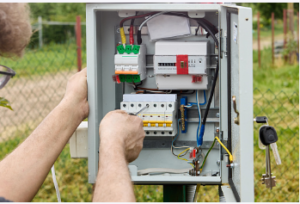
The electrical switchboard is the central point for all your home’s electrical wiring. It houses fuses, circuit breakers and safety switches that regulate electricity flow.
Your switchboard upgrades Adelaide is connected to your consumer mains through overhead power poles or underground cables and may need upgrading if there are faults or increasing energy demands.
-
 Safety
The electrical switchboard is a crucial element in your home, acting as an intermediary between the main power supply and all areas that need electricity for proper functioning and safety.
Consider installing an electrical safety switch to prevent malfunctioning equipment from overloading your circuit breakers or creating an arc fault – which could pose a fire risk. A safety switch is more reliable than a circuit breaker. It will instantly cut down power to the circuit when there is an issue, eliminating any fire or electric shock risk.
Though it may seem mundane, switchboard upgrades Adelaide is essential for your family’s safety and peace of mind. A new switchboard helps ensure your home meets the latest safety regulations, reduces fire risks and lowers energy costs.
- Efficiency
The switchboard is the brain of your home, and it’s responsible for keeping everyone secure. It controls fuses, circuit breakers and safety switches that connect all electrical components in your house. Its primary task is sending electricity to those parts of your house that need it most.
Have you ever tried running a washing machine, dishwasher or air conditioner simultaneously while ironing or cooking in the oven? Unfortunately, all these tasks required an impressive amount of electricity, so old fuse boards were designed with only specific amounts of current at a time.
- Energy efficiency
Energy efficiency in the energy industry refers to how much energy is used to create a product or service. For instance, installing energy-saving light bulbs can reduce the electricity needed to illuminate a room, saving consumers money.
Insulating buildings properly helps conserve energy by preventing it from being wasted on heating or cooling the space. Furthermore, LED lights can save the power necessary to provide the same illumination level as incandescent lighting without using more resources.
Energy efficiency offers numerous advantages, such as reducing greenhouse gas emissions, cutting energy costs for households and businesses, and encouraging sustainability. But, unfortunately, its widespread implementation often goes overlooked.
- Reduced risk of fire
The switchboard is an essential element of electrical safety in your home. It contains circuits designed to cut off electricity flow if there are problems with appliances or wiring.
Fuse arcs are another major issue with older switchboards, which can cause extensive damage. These occur due to overcrowding of fuses which loosen over time, leading to wire faults and electrical fires.
Modern switchboards use RCDs (Real-Time Clocks), which trip and cut off power instantly in case of a house fire. It reduces the likelihood of your home catching on fire and saves you from expensive call-out fees for having to fix blown fuses.
An electrician can upgrade the ceramic fuses for RCDs and circuit breakers in your switchboard with more modern, safer versions, helping to prevent 90% of fatal electrocutions in households.
- Reliability
Investing in an upgrade is essential to guarantee your electrical system’s dependability. For example, older switchboards often need repairs and can cost more money over time; with a modern panel, however, you can avoid these issues and enjoy years of trouble-free performance from your electrical system.
Reliability is the assurance that a product or service will function adequately over time, in its intended environment, without fail. Reliability engineering is designed to reduce failures, boost effectiveness, speed up repair times, and simplify maintenance tasks.
Internal consistency reliability assesses the validity of a test or research measure by analysing its consistency across multiple testing occasions. It can be accomplished by measuring an average inter-item correlation or splitting a set of steps into two “sets” and calculating the correlation between them.
Research requires considering the reliability and validity of your measures before designing a study. Doing this helps avoid inconsistencies or biases that could influence results. If your measurement is reliable, it should provide accurate answers for every person who takes it and accurately reflect the actual state of a concept over time.