The Advantages and Disadvantages of Bale Wrap
Dairy and beef producers are increasingly baling high-moisture hay to save time and reduce drying costs. However, this approach could have some unintended consequences.
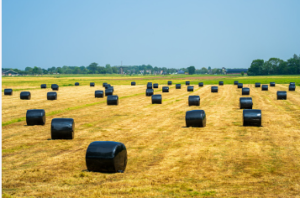 Recently, researchers conducted a study comparing bale wrap options to determine which preserved stored bales better. They discovered that total plastic thickness, not just the number of wrappings, was the critical factor for storage preservation.
Eco-friendly
Agriculture relies heavily on Unipak bale wrap to protect crops produced for later consumption. This plastic product is composed of low-density polyethylene (LDPE), providing strength and durability so yields remain safe from water damage or other elements that could cause harm.
Farmers are increasingly finding it necessary to wrap hay in environmentally friendly ways. One popular solution is silage wrap, which is biodegradable and reduces landfill waste.
Another innovative solution is clear plastic silage wraps, which offer an aesthetic solution while providing UV protection. It enables farmers to monitor their hay quality better while saving money on disposal expenses.
Durable
Bale wrap is an effective way to protect high-moisture forage while retaining the hay’s nutritional value. In addition, it’s durable and user-friendly; all materials used in its production are recyclable.
When using Unipak bale wrap, the first step is selecting a product that works well with your baler. Some companies provide special netting tailored for specific machines, while others focus on certain brands of round balers. Before deciding which netting type would work best with your particular device, always consult your local baler dealer.
You must ensure the selected wrap is durable enough to last throughout the baling process. According to Kevin Schinners, PhD of the University of Wisconsin, rodenticide-treated sisal twine can degrade plastic film over time and leave holes for mould or yeast growth.
Netwrap is another option for high-moisture forage, as it helps minimise the chance of creating holes in the plastic film and allowing mould or yeast growth. Furthermore, netwrap provides a smoother surface on which to bale your products.
When selecting a wrap for your bale of hay, you should opt for one that protects it from elements and reduces the time needed. In addition, the material should be strong enough to hold together while repelling water, snow, and sunrays.
If you’re on a tight budget, polyethylene stretch films made of recycled materials may be an affordable and practical solution to protecting your bales against weather elements. These films can usually be found at grocery stores and provide an economical solution for protecting them.
Wraps constructed from single-layer, 3-layer or premium multiple-layer stretch film offer superior protection against UV rays and punctures.
Easy to handle
Bale wrap is an effective alternative to using preservatives on your hay. It can be used on wet and dry hay while efficiently handling and maintaining it.
Wrapping your bales can save both money and time. It keeps them fresher for longer, eliminating the need to store them, and decreases the risk of rotting or nutrient loss.
In-line wrappers are an excellent solution for more extensive operations that must simultaneously wrap multiple bales. While more costly than individual wrappers, in-line wrappers can be valuable on any farm or ranch. Depending on your requirements, you can rent or purchase them.
Economical
Unipak bale wrap is an economical solution for farmers to store hay, straw and other forages. Furthermore, it’s eco-friendly since no storage structures are necessary.
When it comes to bale wrap, various options are available – each with its advantages and drawbacks. When selecting the ideal bale wrap, consider how you plan to store your forage (outdoors or indoors), your feeding and selling strategies, and how much time and dry matter loss you want to minimise.
When selecting a bale wrap, opt for one with superior strength, excellent tack properties and UV radiation protection. These qualities will help guarantee the quality of your hay.
It should also withstand the strains of high-speed wrapping equipment and other stresses during transport and storage, providing an airtight seal and shielding hay from sunlight.
Another advantage of high-quality bale wrap is that it helps prevent punctures caused by rodents and animals. Furthermore, it’s more resistant to damage caused by sharp stubble or rotting soil.
Round bales should be wrapped in sisal twine, plastic twine or net wrap to maintain their moisture content. Ensuring your crop has at least 40% moisture content for best results is best.