Uncategorized
-
Silage Wrap: Enhancing Agricultural Efficiency in Australia
Silage wrap plays a pivotal role in modern agriculture, particularly in Australia, where livestock farming is a cornerstone of the economy. This article explores the significance of silage wrap, its benefits, usage, and its impact on agricultural efficiency across the country. For an organic silage wrap, click here.
Understanding Silage Wrap
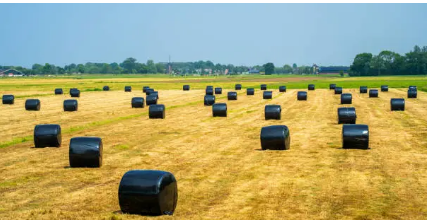
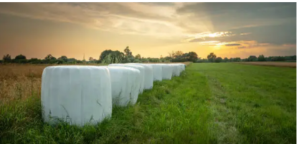 Silage wrap is a specialised agricultural plastic film used to protect and preserve silage, a crucial feed for livestock. Silage itself is a fermented forage crop stored in airtight conditions, commonly made from grass, maize, or other crops. The silage wrap ensures that the stored forage remains intact, preserving its nutritional value and preventing spoilage.
Benefits of Silage Wrap
- Preservation of Nutritional Quality: Silage wrap creates an anaerobic environment that halts the growth of harmful bacteria and fungi, preserving the forage’s nutritional quality.
- Extended Storage Period: Sillage wrap creates a barrier against air and moisture, enabling farmers to store hay for extended periods without deterioration.
- Flexibility in Harvest Timing: Farmers can harvest crops at optimal times without being constrained by weather conditions, as silage wrap allows forage to be stored safely until needed.
Usage of Silage Wrap in Australia
In Australia, silage wrap is extensively used across various regions, especially in the dairy and beef farming sectors. Farmers rely on it to ensure a stable and consistent supply of high-quality feed for their livestock throughout the year. Australia’s climatic diversity makes silage wrap particularly valuable, as it mitigates the risks associated with weather fluctuations.
Environmental Considerations
While silage wrap offers significant benefits to farmers, its environmental impact is a topic of concern. The plastic film used in silage wrap, typically made from polyethylene, poses challenges in terms of disposal and recycling. However, advancements are being made in developing biodegradable alternatives to mitigate these concerns. For an organic silage wrap, click here.
Technological Advancements
Recent advancements in silage wrap technology have focused on improving efficiency and reducing environmental impact. Innovations include:
- Thinner Films: New formulations of silage wrap use thinner films while maintaining strength and durability, reducing plastic usage.
- UV Stabilisation: Enhanced UV stabilisation additives prolong the life of silage wrap, ensuring it remains effective under harsh Australian sunlight.
- Recycling Initiatives: Some manufacturers are investing in recycling programs to collect and recycle used silage wrap, addressing environmental sustainability concerns.
Economic Impact
The economic benefits of silage wrap in Australia are substantial. It allows farmers to increase their productivity by reducing feed losses and ensuring a consistent supply of high-quality feed. This efficiency contributes to overall farm profitability and sustainability.
Future Outlook
Looking ahead, the future of silage wrap in Australia is likely to involve continued innovation towards sustainability. It includes further development of biodegradable materials and improved recycling processes. Government policies and industry initiatives will also play a crucial role in promoting responsible use and disposal practices.
Silage Wrap: A Key Component of Modern Australian Farming
Silage wrap remains a vital component of modern Australian farming practices, revolutionising how farmers preserve and utilise forage crops. Its ability to create a controlled, anaerobic environment ensures that harvested crops maintain their nutritional integrity over extended periods. It is particularly advantageous in Australia’s diverse climate, where weather unpredictability can impact traditional harvesting methods.
The widespread adoption of silage wrap in dairy and beef farming reflects its importance in ensuring a stable and reliable feed supply year-round. Despite environmental concerns regarding its plastic composition, ongoing innovations in materials and recycling initiatives aim to mitigate these issues. For an organic silage wrap, click here.
The future of silage wrap in Australia hinges on continued advancements in sustainability and efficiency, which will support both agricultural productivity and environmental stewardship.
As farmers continue to embrace technological advancements and best practices, silage wrap remains a testament to the industry’s adaptability and commitment to meeting the challenges of modern agriculture.
Conclusion:
Silage wrap is a cornerstone technology in modern Australian agriculture, providing farmers with the means to efficiently preserve and utilise forage crops. While offering significant benefits in terms of feed preservation and farm productivity, it also presents challenges in terms of environmental impact. As technology evolves, so too will the methods and materials used in silage wrap, ensuring that it continues to support sustainable agricultural practices in Australia.
-
Gardening Adelaide: A Comprehensive Guide to Thriving Gardens
Gardening in Adelaide offers a unique blend of challenges and rewards, thanks to its Mediterranean climate, diverse soil types, and distinctive plant varieties. Whether you are a seasoned gardener or a beginner, understanding the specific needs and conditions of Adelaide can help you cultivate a flourishing garden year-round. For a gardening expert, check this out.
Understanding Adelaide’s Climate
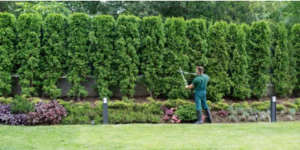 Adelaide’s climate is characterised by hot, dry summers and mild, wet winters. This Mediterranean climate requires gardeners to be mindful of water conservation and plant selection to ensure a thriving garden. The average annual rainfall is around 550mm, predominantly falling between May and September, making irrigation and drought-resistant plants crucial during the hotter months.
Choosing the Right Plants
Selecting plants suited to Adelaide’s climate is essential for successful gardening. Native Australian plants, such as Kangaroo Paw, Bottlebrush, and Grevillea, are excellent choices as they are adapted to the local conditions and require less water. Additionally, Mediterranean herbs like rosemary, lavender, and thyme thrive in the region’s climate.
For vegetable gardening, consider planting varieties that can withstand the heat and occasional drought. Tomatoes, capsicums, eggplants, and zucchinis are summer staples, while winter gardens can flourish with broccoli, kale, carrots, and leafy greens.
Soil Preparation and Maintenance
Adelaide’s soil varies from sandy to clay-heavy, impacting water retention and plant growth. Conducting a soil test can provide insights into its composition and pH level, allowing for better soil amendment decisions. Improving soil quality often involves adding organic matter like compost, which enhances nutrient content and water retention. For a garden expert, check this out.
For sandy soils, incorporating organic matter and mulching can help retain moisture. In clay soils, adding gypsum can improve drainage and structure. Regularly testing and amending soil ensures it remains fertile and well-draining, supporting healthy plant growth.
Watering Strategies
Adequate watering is crucial for gardening in Adelaide, especially during the dry summer months. Drip irrigation systems and soaker hoses are efficient methods, delivering water directly to the plant roots and reducing evaporation. Watering early in the morning or late in the evening further minimises water loss due to evaporation.
Mulching is another vital practice, as it helps retain soil moisture, suppresses weeds, and regulates soil temperature. Organic mulches, such as straw, bark chips, and compost, gradually decompose, enriching the soil with nutrients.
Seasonal Gardening Tips
Spring
Spring is the ideal time to prepare your garden for the growing season. Start planting summer vegetables and annual flowers. Pruning flowering shrubs and trees after they bloom promotes healthy growth. Watch for pests and treat them promptly.
Summer
Focus on water conservation and mulching to protect plants from the intense heat. Harvest summer vegetables regularly and continue planting heat-tolerant herbs and flowers. Shade cloths can provide relief to delicate plants from the scorching sun.
Autumn
Autumn is perfect for planting winter vegetables and spring-flowering bulbs. As temperatures cool, reduce watering frequency but ensure the soil remains moist. This season is also ideal for dividing perennials and adding compost to garden beds.
Winter
Protect frost-sensitive plants with covers or bring potted plants indoors. Winter rains typically reduce the need for watering. Use this time to plan and prepare for the upcoming spring, including soil testing and garden bed preparation. For a garden expert, check this out.
Pest and Disease Management
Adelaide gardens are susceptible to a variety of pests and diseases, including aphids, whiteflies, and fungal infections. Integrated Pest Management (IPM) strategies are effective in maintaining a healthy garden. Planting insect-attracting flowers like marigolds and daisies encourages beneficial insects, such as ladybugs and lacewings.
Regularly inspect plants for signs of pests and diseases. Removing affected plant parts and using organic treatments, such as neem oil and insecticidal soaps, can help manage infestations. Proper spacing and airflow between plants reduce the risk of fungal diseases.
Sustainable Gardening Practices
Sustainability is critical to long-term gardening success in Adelaide. Composting kitchen scraps and garden waste reduces landfill contributions and enriches the soil. Rainwater harvesting systems provide an eco-friendly water source for gardens, especially during dry periods.
Planting native species supports local biodiversity and reduces water usage.
Conclusion:
Gardening in Adelaide, with its distinct climate and soil conditions, can be a rewarding endeavour for those who understand and adapt to the environment. By choosing suitable plants, implementing effective watering strategies, and practising sustainable gardening, you can create a vibrant and thriving garden that enhances your outdoor space year-round.
-
Hearing Test Adelaide: Ensuring Accuracy with Hearing Tests
Hearing is a fundamental sense that profoundly impacts our daily lives, communication, and overall well-being. For residents of Adelaide seeking clarity about their auditory health, undergoing an accurate hearing test is essential. This article explores the significance of hearing tests in Adelaide, emphasising the importance of accuracy in diagnosis and highlighting resources available for comprehensive hearing assessments.
The Importance of Hearing Tests
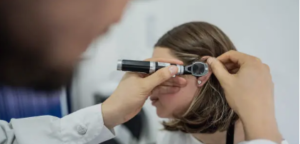 Hearing tests play a crucial role in assessing auditory function and identifying potential hearing loss or auditory disorders. Conducted by trained audiologists or hearing healthcare professionals, these tests evaluate various aspects of hearing, including sensitivity to different frequencies, ability to understand speech, and overall auditory processing capabilities.
Types of Hearing Tests
In Adelaide, individuals may undergo different types of hearing tests based on their age, symptoms, and specific auditory concerns. Common types of hearing tests include:
- Pure Tone Audiometry: This test measures the softest sounds an individual can hear at different levels of frequencies (pitches). It involves listening to tones through headphones and responding when the sound is heard.
- Speech Audiometry: This assesses an individual’s ability to understand speech at different volumes. It typically involves repeating words or sentences presented at various levels of intensity.
- Tympanometry: This test evaluates the function of the middle ear and ear canal by measuring how the eardrum responds to changes in air pressure. It significantly helps identify conditions such as fluid behind the eardrum or perforations.
- Otoacoustic Emissions (OAEs): OAE testing measures the response of the inner ear (cochlea) to sound. It is often used to screen for hearing loss in newborns and young children.
- Auditory Brainstem Response (ABR): ABR testing measures the brain’s response to sound stimuli and is used to assess the auditory nerve’s function, particularly in newborns or individuals who are unable to participate in behavioural hearing tests.
Ensuring Accuracy in Hearing Tests
Accurate hearing tests in Adelaide require skilled professionals, calibrated equipment, and adherence to standardised protocols. Audiologists in Adelaide follow established guidelines to conduct thorough assessments and interpret results accurately. Factors contributing to accuracy include:
- Calibrated Equipment: Audiometers and testing devices must be regularly calibrated to ensure accurate measurement of sound levels and frequencies.
- Soundproof Testing Rooms: Testing environments are designed to minimise external noise and ensure that test results reflect true auditory thresholds.
- Patient Cooperation: Patient cooperation and understanding of test instructions are crucial for obtaining reliable results, especially during behavioural hearing tests.
- Interpretation by Professionals: Qualified audiologists analyse test results, consider the individual’s medical history and symptoms and provide comprehensive explanations and recommendations based on findings.
Accessing Hearing Tests in Adelaide
Residents of Adelaide can access hearing tests through various healthcare providers, including audiology clinics, hospitals, and specialist practices. These facilities offer comprehensive diagnostic services and personalised care to individuals of all ages, from infants to older adults.
Benefits of Early Detection
Early detection of hearing loss through accurate hearing tests in Adelaide allows for timely intervention and management. Treatment options may include hearing aids, assistive listening devices, auditory rehabilitation programs, or medical interventions, depending on the underlying cause and severity of the hearing impairment.
Choosing a Hearing Healthcare Provider
When selecting a provider for a hearing test in Adelaide, consider the following:
- Qualifications and Expertise: Choose a licensed audiologist or hearing healthcare professional with specialised training and experience in conducting hearing assessments.
- Facility Accreditation: Opt for facilities that adhere to industry standards and guidelines for audiology practice, ensuring high-quality care and accurate diagnosis.
- Patient-Centered Care: Seek providers who prioritise patient comfort, communication, and individualised treatment plans based on test results and personal preferences.
- Accessibility and Convenience: Consider the location, availability of appointments, and accessibility of the facility, especially if regular follow-up visits or additional services are anticipated.
Conclusion
In conclusion, accurate hearing tests are indispensable for evaluating auditory health, diagnosing hearing loss, and guiding appropriate interventions in Adelaide. By partnering with skilled audiologists and accessing state-of-the-art diagnostic facilities, residents can undergo comprehensive assessments that address their auditory concerns effectively. Early detection through reliable testing enables timely management of hearing issues, promoting better communication, quality of life, and overall well-being. Whether seeking routine screenings or diagnostic evaluations, Adelaide offers a range of resources and professionals dedicated to preserving and enhancing auditory health for individuals and families throughout the region.